Earlham Institute Student Symposium 2026
Bringing together the Norwich Research Park to explore, share, and celebrate the research of Earlham Institute PhD students.
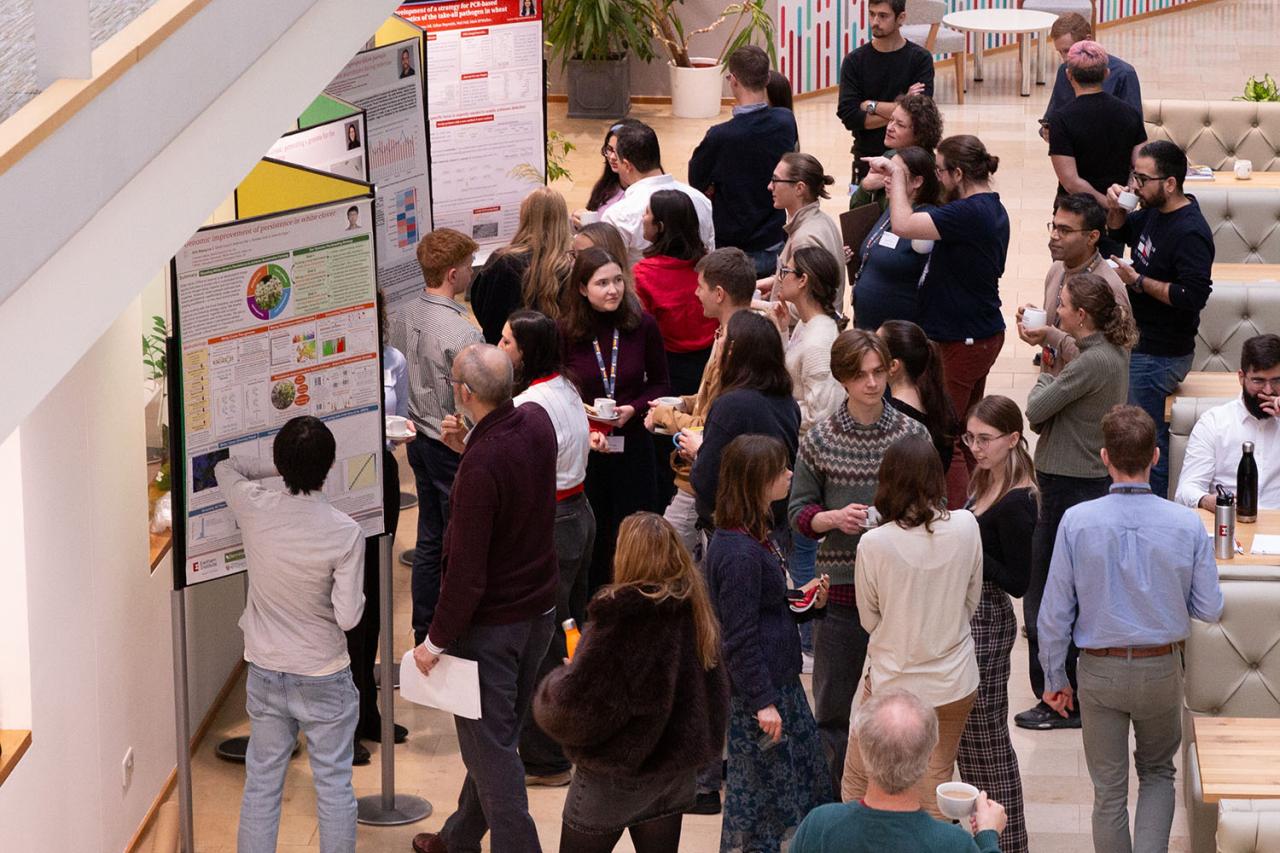
The Earlham Institute student symposium is back for another exciting year of talks, posters, and networking, celebrating the breadth and creativity of student research.
The programme will feature presentations from 3rd and 4th-year PhD students, offering a showcase of cutting-edge research and innovative ideas. 2nd year students will deliver flash poster talks, and our poster session will provide an opportunity to explore research in more detail while connecting with peers.
Alongside the academic programme, we will host interactive activities as well as plenty of opportunities to network over coffee breaks and lunch.
Please note: This symposium is open to students and scientists at one of the Norwich Bioscience Institutes (NBI), including the Earlham Institute (EI), the John Innes Centre (JIC), the Sainsbury Laboratory (TSL) and the Quadram Institute (QIB).
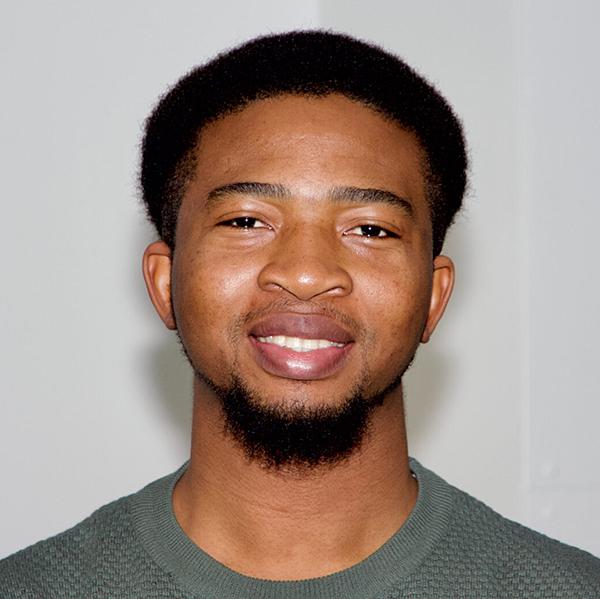
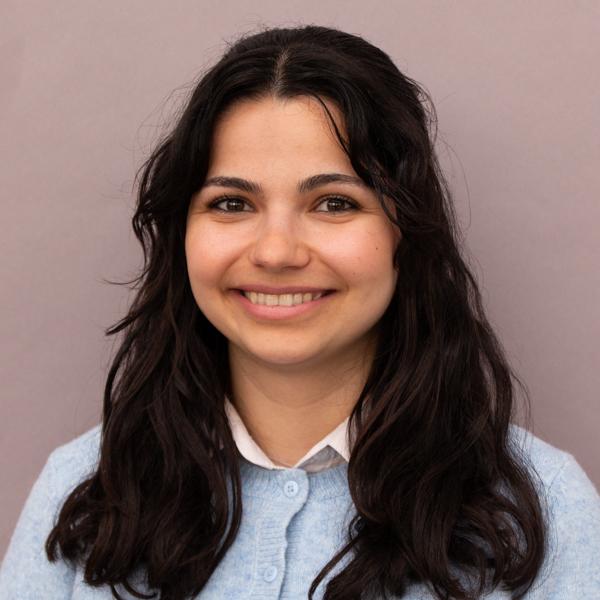
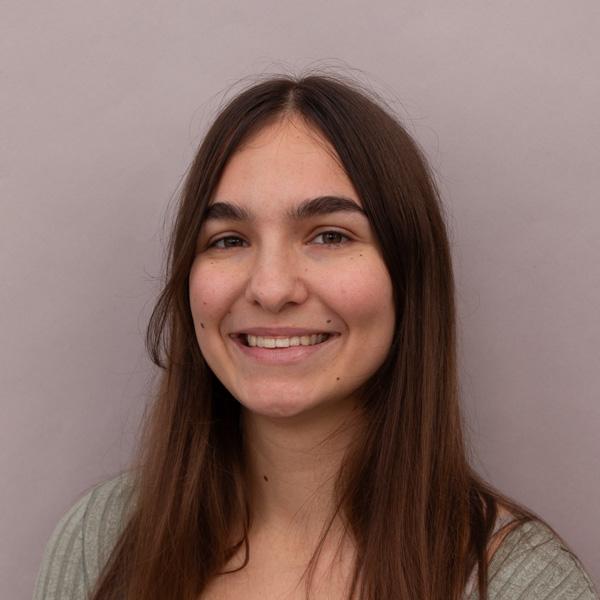
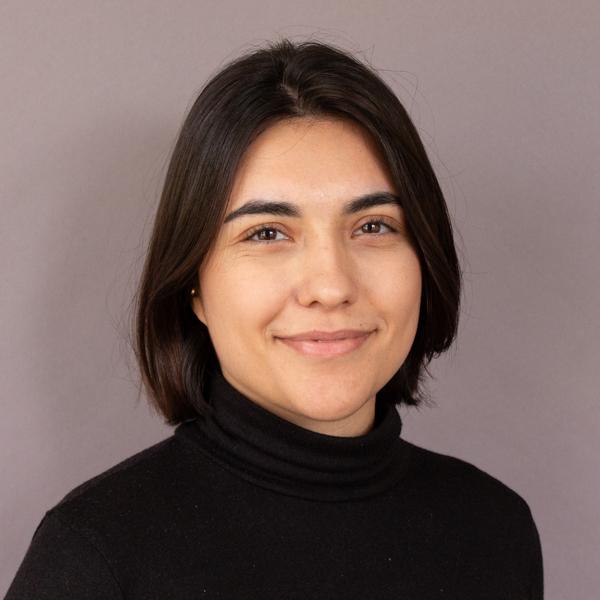
The Student Body represents and supports the PhD Student community at the Earlham Institute. The representatives meet regularly with the NBI Graduate Schools Executive and EI PGR Directors, for formal and informal conversations regarding student wellbeing and any possible concerns.
We also invite other teams and representatives from across the Earlham Institute to student meetings, to discuss and share information and opportunities available to students.
A draft programme will be announced shortly.
Registration
Welcome
Love Odunlami, Deputy Chair, Earlham Student Body
Student talks
Break
Student talks
Lunch
Student talks
Poster flash talks
Poster presentations
Invite Speaker
Georgia Whitton, Senior Bioinformatician, Francis Crick Institute
Poster Quiz
Network and refreshments
Student awards
Please carefully review our standard online event booking terms and conditions prior to registering for this event. Completing an online registration will mean that you are bound by these terms and conditions. Any supplemental terms or changes to these conditions on a per event basis will be included on this page.
If you have any queries regarding our events or in relation to your booking, please contact us at training@earlham.ac.uk.
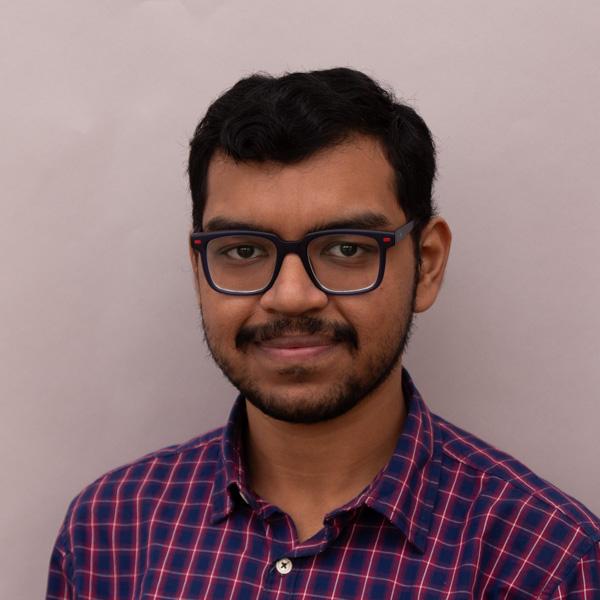
Georgia Whitton is a Senior Bioinformatician in the Core Bioinformatics and Biostatistics platform at the Francis Crick Institute, where she supports over 100 biomedical research groups through project work, training and consultancy.
She’s also chaired the groups standards platform and co-led the institutes most successful edition of its annual Crick Data Challenge.
Georgia studied Molecular Biology and Genetics at UEA, just round the corner from here, before her honours placement and summer internship here at the Earlham Institute in the Haerty Lab.
Her career has since taken her through the Wellcome Sanger Institute, working in Genomic Surveillance, and to the Crick, first working in oncology research before joining the core bioinformatics team.
She’s been teaching data science along the way to career-changers with Code First Girls and through various public engagement work. Today, she's here to share what she's learned about building a career on breadth as much as depth.
Abstract: A PhD (or a first job in genomics for that matter) teaches you to go deep, and that depth matters, but careers rarely stay narrow for long.
In this talk, Georgia traces her own path from that first transcriptomics internship to a career now built as much on coordination, teaching, and communication as on code, and shares what she's learned about building breadth deliberately on top of expertise, rather than letting it happen by accident. How lateral moves opened doors that staying narrow never would have, how teaching forced her to translate hard-won knowledge for people outside her field, and how to tell which parts of your skillset are worth deepening versus broadening as your career evolves.
Georgia hopes to leave you with a practical toolkit for thinking about transferable skills, how to spot the ones you already have, and how to keep building a career that carries them with you, whatever direction it takes.