Image


Five of the UK’s leading biofoundries, based at the Earlham Institute, Imperial College London, the University of Edinburgh, the National Physical Laboratory and the University of Manchester, have launched a new UK biofoundry network to share expertise, build collaborations and raise the national and international profile of UK biofoundries.
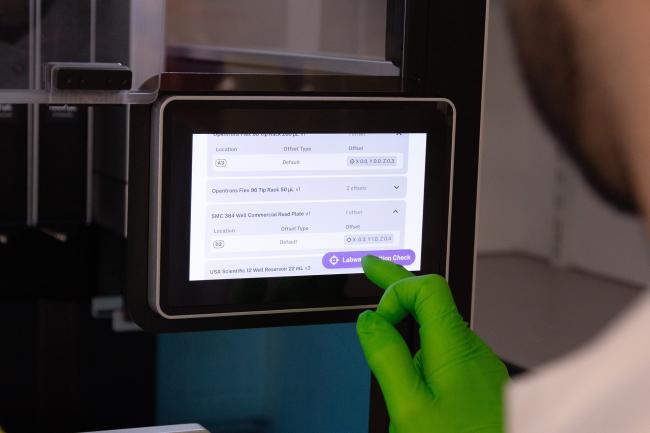
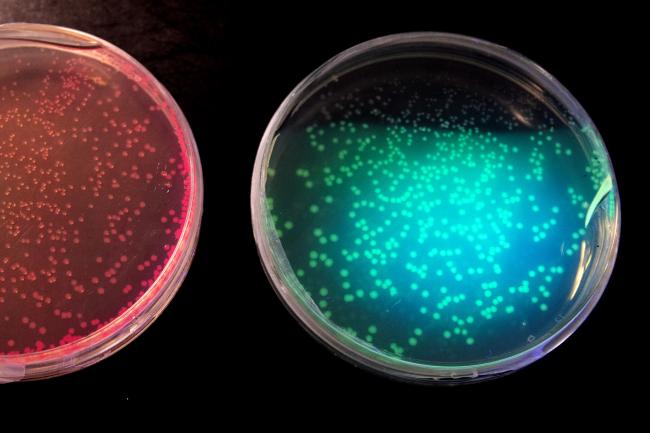
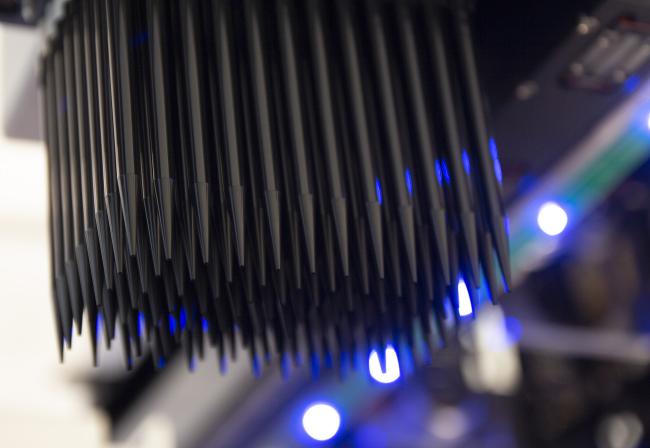
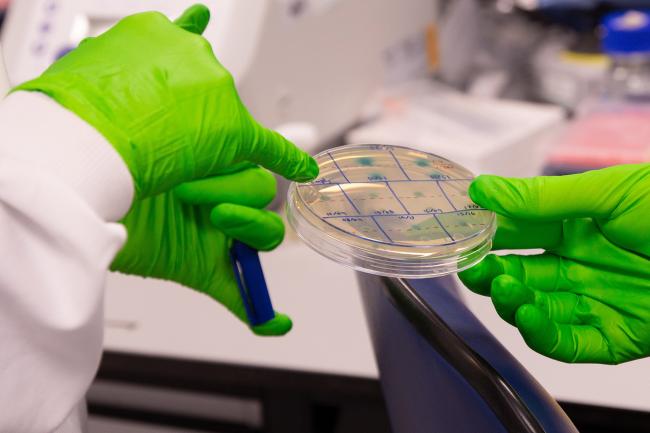
Biofoundries work like production lines for engineering biology. They combine automation, robotics and data to accelerate and integrate the engineering cycle of design, build, test and learn to living systems, making it more reliable and efficient to engineer cells and their components to carry out useful biotechnology applications.
“Biofoundries are unique and powerful resources with enormous potential to translate engineering biology into meaningful social and economic impact,” said Dr Carolina Grandellis, Head of the Earlham Biofoundry in Norwich. “This network will strengthen the UK's national infrastructure and international profile, supporting greater collaboration, sharing of expertise, and accelerating the development and adoption of protocols across each of our specialist expertise.”
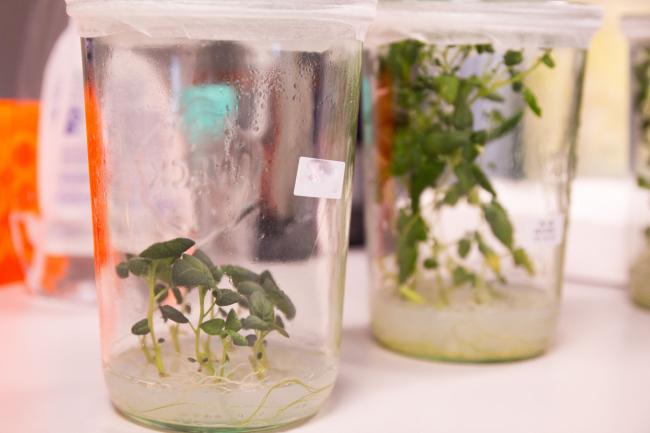
As the pressures of climate change, public health emergencies and the loss of nature grow, biofoundries are becoming increasingly important in developing new sustainable biotechnology solutions, from biomaterials, chemicals and fuels to more resilient crops, environmental monitoring, alternative foods and new medicines.
Professor Neil Dixon, Co-Director of the Manchester Biofoundry said: “Biofoundries have a critical role in turning advances in engineering biology into scalable technologies that deliver economic, environmental and societal value. Through this network, the Manchester Biofoundry will work with complementary facilities across the UK to connect researchers and industry with shared expertise, automated workflows and best practice. Together, we can accelerate the development of more sustainable routes to chemicals, materials, food and other biomanufactured products, while strengthening the UK’s position as a global leader in engineering biology.”
Each partner brings distinct and complementary strengths. The Edinburgh Genome Foundry specialises in designing and building DNA-enabled solutions for mammalian and human therapeutics, while the London, Manchester and Earlham biofoundries apply these capabilities in areas such as industrial biotechnology, biocatalysts, biomaterials, alternative foods, plants and agrifood. The National Reference Foundry at NPL brings expertise in measurement and standards, helping to make engineering biology more reproducible and comparable between laboratories.
"Bringing together five of the UK's leading biofoundries into a single network is a hugely significant step for engineering biology in this country," said Professor Paul Freemont, Director of the London Biofoundry based at Imperial’s White City Campus. "Each of our facilities has built distinct, complementary strengths, from DNA design and construction to industrial biotechnology, agrifood applications and measurement standards. By working together rather than in isolation, we can share expertise, agree common approaches, and offer researchers, industry and government a genuinely joined-up picture of UK engineering biology capability — at home and internationally."

Dr Carolina Grandellis, Head of the Earlham Biofoundry
The UK biofoundry network will collaborate on new technologies, workflows and approaches, develop shared standards and best practice, support training and skills in engineering biology, and coordinate UK involvement in international programmes and partnerships. The network will offer a joined-up picture of UK capability to researchers, industry and government at home and abroad.
“The formation of the UK biofoundries network is extremely timely with the emergence of AI and the opportunity it affords Engineering Biology," said Professor Susan Rosser, Co-Director of the Edinburgh Genome Foundry. “If we want to transform biology into a predictive, engineering discipline then we need to be able to generate the underpinning high throughput, high-quality AI ready biological data and that is exactly what biofoundries can deliver. The Edinburgh Genome Foundry is one of the most automated biofoundries in the world, working at the intersection between engineering biology, AI and automation. By coming together and working collaboratively the UK biofoundries can play a leading international role in developing and applying Engineering Biology in areas including health, biomanufacturing and sustainability.”
By delivering on shared objectives - identified through a 5-party Memorandum of Understanding - the partners aim to make the UK a leading location for biofoundry-enabled research, innovation and translation, and to help turn national strengths in engineering biology into economic growth.
“The creation of the UK Biofoundry Network marks an important step towards a more connected and capable engineering biology ecosystem. Engineering biology can only realise its full potential if biological systems and processes can be measured, compared and reproduced with confidence,” said Professor Max Ryadnov of the UK Reference Biofoundry. “At NPL, we develop reference standards to improve confidence in measurement results and ensure their consistency and transferability. By combining our expertise in standards and measurement with the strengths of the UK Biofoundry Network, we can help create a robust foundation for innovation, collaboration and industrial adoption."
Visit the UK biofoundries network website for further information on each of the biofoundries, including recent activities across the network.
For further information, contact:
Sarah Clinch - Sarah.Clinch@earlham.ac.uk
Head of Communications, Earlham Institute
Juliette Malley - j.malley@imperial.ac.uk
Project Manager: UK-Korea Research Partnership for Engineering Biology
Imperial College London