Image


A new review has revealed that despite rapid growth in fungal genome sequencing over the past three decades, most of the fungal kingdom remains genomically unexplored, leaving critical blind spots for agriculture, ecology, biotechnology and disease research.
Fungal genomics began 30 years ago with the sequencing of a budding yeast, followed by the Fungal Genome Initiative, which proposed sequencing 15 key species. Today, more than 22,000 genomes are publicly available — a dramatic expansion driven by advances in sequencing technologies.
The study, published in Nature Genetics and led by researchers at the Earlham Institute and Rothamsted Research, is the first systematic evaluation of all publicly available fungal genomes, analysing more than 22,000 assemblies to assess their quality, coverage and usefulness to the scientific community.
However, the review shows that this progress is deeply uneven, with major gaps across the fungal kingdom.
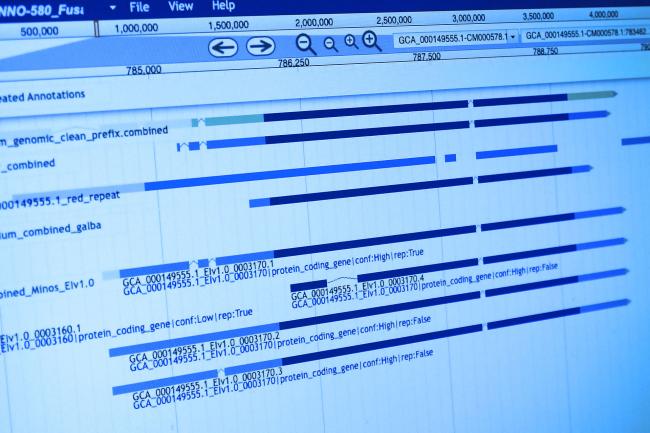
The study found that approximately only half of fungal orders and about one eighth of fungal genera have an associated genome assembly, while genome assemblies are increasingly being deposited without good quality annotation, or any annotation at all. The annotation provides information on which parts of the genome are gene coding sequences. Without it, the assembly is difficult to use and is unlikely to be well adopted in research.

Dr Rowena Hill, Postdoctoral Researcher at the Earlham Institute and co-author on the review said, “Although we see the number of genome assemblies increasing year‑on‑year, the proportion of those that are annotated is going down, which is limiting the usefulness and community adoption of these important resources. Initiatives to both accelerate annotation efforts and improve consistency between annotations are needed if we are to accurately compare and analyse genomes to understand the diversity and evolution of fungal species.”
The review also found that sequencing efforts are heavily skewed. Ascomycetes, - which includes baker’s and brewer’s yeasts, everyday moulds, and many fungi that cause disease in humans, animals or crop plants (some examples include causative agents of Fusarium Head Blight, Septoria tritici blotch, rice blast, take-all and powdery mildew disease) - account for 79% of all fungal genomes, driven by their importance in food, medicine and crop disease.
Basidiomycetes represents roughly 17% of genomes, including edible mushrooms and a number of agriculturally relevant rust and smut pathogens. While the remaining fungal phyla together make up only 4% of sequenced genomes.

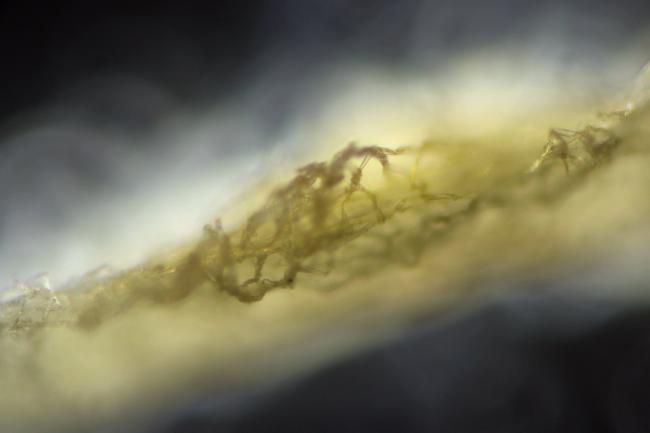
Penicillium and aspergillum mold

Fly Agaric mushroom

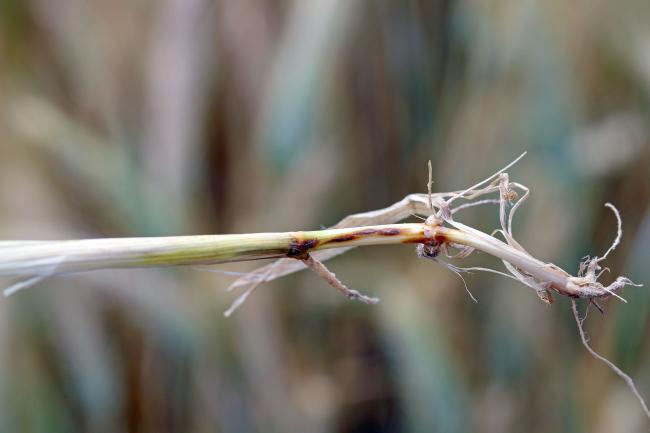
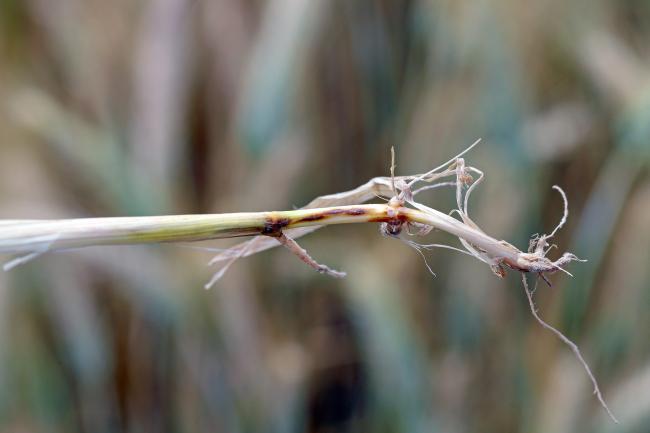
Plant root affected by Gaeumannomyces tritici
Fungi play essential roles in agriculture, both as devastating pathogens and as beneficial partners that support plant health, soil structure and nutrient cycling. Fungi are also essential in food biotechnology and productions, acting as alternative meats (e.g. Quorn), fermentative yeasts, and in shaping flavour profiles of foods such as cheeses. Key drugs such as penicillin and statins were also first discovered and isolated from fungi.
Dr Erika Kroll, a Bioinformatics Scientist and lead author on the review from Rothamsted Research, said, “Multiple genomes, within a species or across a genus, are essential for uncovering disease mechanisms, predicting how pathogens evolve against fungicides or resistant crops, and developing new ways to control them. Equally, studying non‑pathogenic fungi helps us understand the beneficial plant partners that contribute to resilient cropping systems, and how pathogenic traits arise in the first place.”
Dr Kim Hammond-Kosack, a molecular plant pathologist and leader of the ‘Translating Biotic Interactions’ research team at Rothamsted Research, said: “One additional problem for the research community became evident as we prepared this review. When genomes are completed and deposited in publicly available repositories, the accompanying background information (metadata) is incomplete. Fungal genomes exhibit considerable flexibility and plasticity even within a single species and/or life stage. Currently, key missing key facts include ploidy and aneuploid levels, presence-absence of mobile accessory compartments (typically very small chromosomes) and whether each fungal cell possess a single nucleus or multiple genetically distinct nuclei. There is an urgent need for the global community to improved repository metrics for fungal genomes and create community metadata standards. This will in turn improve the quality of within and between species studies.”
The review highlights the urgent need for coordinated global initiatives to fill taxonomic gaps, improve annotation and metadata consistency, and ensure that fungal genomics keeps pace with plant and animal genomics.
Earlham Institute
The Earlham Institute harnesses data-driven biology to accelerate solutions for health, biodiversity and food security. The Institute combines world-class technology and interdisciplinary expertise across genomics, engineering biology and data science to deliver scientific breakthroughs with economic and social impact.
Based at Norwich Research Park, Earlham Institute is one of eight institutes strategically funded by BBSRC.