Decoding microbial diversity and function in irreplaceable habitats
Understanding the soil microbiome in ecologically important environments is crucial for informing conservation strategies and finding new climate change solutions.
Irreplaceable habitats, including ancient woodlands, salt marshes, peat bogs, coastal sand dunes and lowland fens, are critically important for the environment.
These unique and ancient ecosystems are biodiversity hotspots that are extremely difficult to restore or replace once damaged. Moreover, microbial communities in the soil of such habitats are vital for regulating climate due to their significant roles in cycling climate-active gases as well as in carbon breakdown and storage.
Although they make up only 15 per cent of the UK’s landmass, irreplaceable habitats are responsible for storing about 60 per cent of the country’s natural carbon on land. Over 90 per cent of this carbon is locked in the soil through a process largely mediated by plants, which absorb carbon dioxide through photosynthesis, and soil microbes that slowly decompose plant organic matter, trapping carbon that would otherwise be released into the atmosphere. This immense capacity for carbon storage underscores the importance of preserving these habitats; their degradation could release vast amounts of carbon dioxide and methane into the atmosphere, exacerbating global warming.
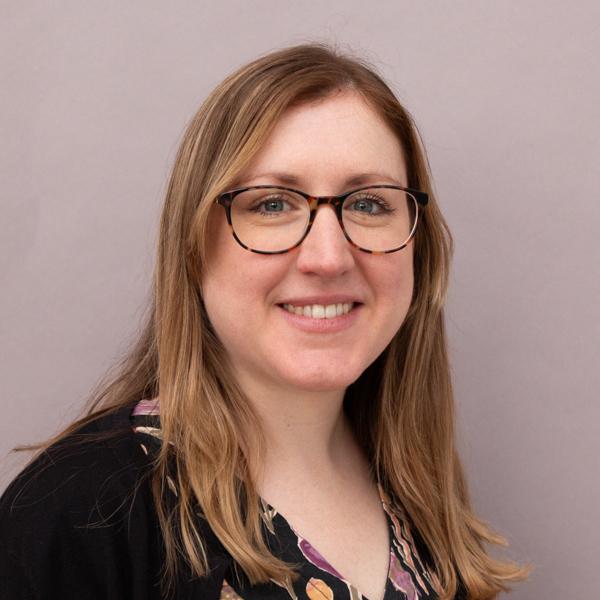
Lauren Messer, Microbial Ecologist and Career Development Fellow at the Earlham Institute, is starting to shed light on the diversity and function of soil microbes in irreplaceable habitats using the latest genomic and computational technologies.
“The soil in irreplaceable habitats is so important to our planet, yet our understanding of the microorganisms present and their dynamics over time remains very limited,” Lauren says, explaining the urgency to preserve not just the beauty and biodiversity of these ecosystems, but their critical role in the global climate system as well.
Dr Lauren Messer
![]()
The soil in irreplaceable habitats is so important to our planet, yet our understanding of the microorganisms present and their dynamics over time remains very limited.
![]()
Despite growing recognition of the importance of microbiomes in ecosystem health, microbial populations are not currently considered in biodiversity or net zero targets. Lauren believes this is likely to change as knowledge on microbial community assembly, function and response to human impacts on the environment, including warmer temperatures, deepens.
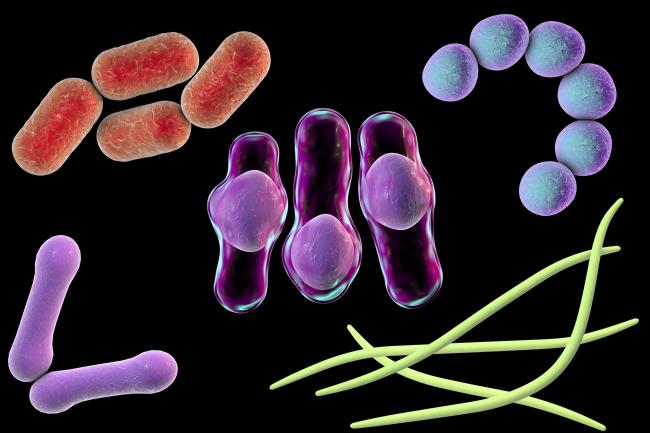
By using cutting-edge sequencing and analytical approaches, she aims to gain a holistic view of soil microbiomes from irreplaceable habitats across the UK at the genomic level. Her analysis will include all domains of life (bacteria, archaea and eukaryotes) as well as viruses. To achieve this, Lauren is collaborating with researchers at the James Hutton Institute, the University of East Anglia, and the UK Centre for Ecology & Hydrology, to analyse frozen soil samples from irreplaceable habitats stored in their archives and start building a database of soil microbial genomes.
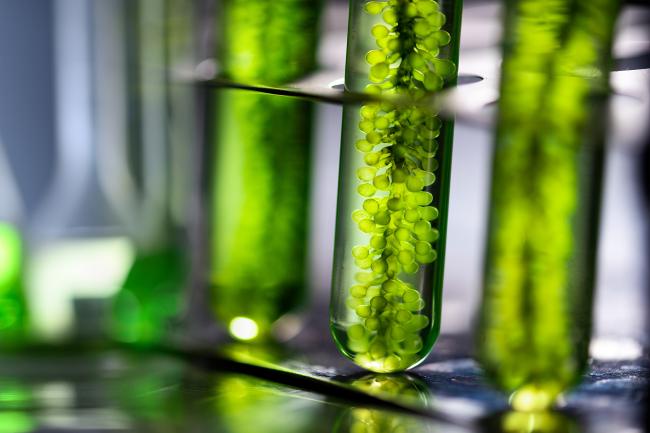
“Going forwards I will use cell sorting techniques to isolate microorganisms from fresh samples and grow synthetic communities in the lab to see how their carbon cycling capabilities are affected by changes in temperature, water levels and pH,” she says. This will allow her to understand their contribution to carbon breakdown and storage and their influence on the resilience of globally important habitats.
Ancient woodland
Blanket bog
Coastal sand dune
Salt marsh
Lauren’s work will expand the Institute’s research on microbial communities, which mainly focuses on human microbiomes and agricultural soils, into natural habitats. She is working closely with her mentor, Chris Quince, who is developing pioneering techniques for analysing complex microbial communities, and Ruben Garrido-Oter, an expert in growing collections of microorganisms in the lab to understand the interactions between them - both working as part of the Institute's Decoding Biodiversity programme to characterise microbial diversity to ecosystem functions.
“There are billions of microorganisms per gram of soil, so these analyses are incredibly complex,” she explains.
In the long term, she hopes to be able to engineer microbial communities to enhance their natural carbon sequestration abilities. Sarah Guiziou, who also joined the Earlham Institute as a Career Development Fellow and is now a group leader, is already engineering bacteria to improve plant tolerance to climate change. “Metabolic engineering of soil microorganisms to improve carbon sequestration is an exciting, cutting-edge strategy to mitigate the environmental impact of climate-active gases,” Lauren says.
Lauren first became fascinated by the complexity and diversity of the microbial world during her undergraduate degree in marine biology. An internship at the Max Planck Institute for Marine Microbiology in Bremen, Germany, cemented her passion. “Marine microorganisms fulfil globally important ecosystem functions, by fixing carbon dioxide and nitrogen they form the basis of carbon and nutrient cycles,” she explains.
Since then, she has acquired a wealth of expertise in microbial community analysis. During her PhD at the University of Technology Sydney, she focused on understanding the diversity, distribution and activity of nitrogen-fixing bacteria in the ocean. This was followed by a postdoc in Brisbane, where she started using metagenomic tools to reconstruct the genomes of microbes associated with corals directly from environmental samples. “We found evidence that the coral microbiome provides essential nutrients that may help coral withstand rising ocean temperatures,” she says. This knowledge is actively informing coral restoration and conservation strategies.
Before joining the Earlham Institute in April 2025, Lauren completed a postdoc at the University of Stirling. During her time in Scotland, she explored the interactions between microbes and marine plastic pollution, with the goal of identifying naturally occurring plastic-degrading enzymes that could help tackle plastic waste, and investigated the impacts of fire on the stability of soil carbon stocks.
As a Career Development Fellow, Lauren is receiving dedicated support and mentorship over a 3-year period to establish her own research group. This initiative is part of the Institute's commitment to invest in the next generation of group leaders. Her current priority is to secure external funding.
“The support provided by group leaders, the Institute Director and the research faculty has been fantastic,” she says. “I look forward to start building a team and accelerating our understanding of how microbial communities can be harnessed to address pressing environmental challenges and safeguard some of the planet's most precious natural assets.”
Authored by Monica Hoyos Flight, writing for the Earlham Institute.

Lauren is currently interested in hearing from members of the UK research community working within irreplaceable habitats who may be interested in a collaboration.