




















Image


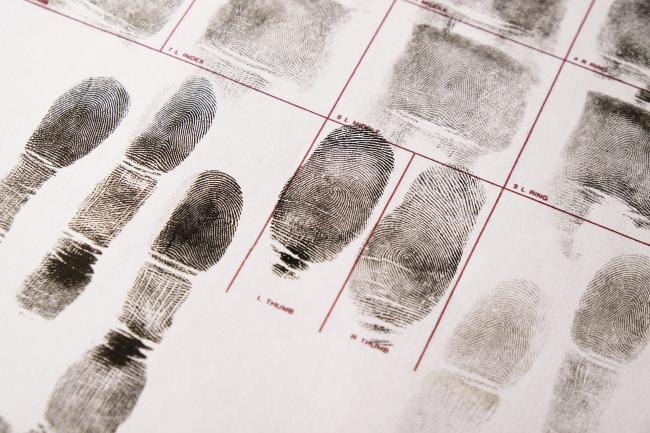
Last month key experts and stakeholders, including from the Earlham Institute, gathered at the House of Lords to share insight into their research and advocate for urgent action to save the forensic science sector.
Investment in forensic science is critical for ensuring justice is served and innocent lives are not ruined through wrongful convictions. However, a recently published report by the The Westminster Commission on Forensic Science, highlighted failures across the system with potentially severe consequences:
"We have witnessed the denuding of a discipline and the depreciation of a service that was once a gem in the crown of the British legal system", the report reads.
It concludes: "If we continue to ignore our instruments and the alarms sounding, we should expect an overwhelmed and ineffectual criminal justice system producing more miscarriages of justice." - Pulling out of the Graveyard Spiral, The Westminster Commission on Forensic Science.
Speaking at the event, Baroness Black of Strome, one of the world’s leading forensic scientists and member of the House of Lords, called for the government to listen to the evidence: "If we don’t invest in forensic science, if we don’t move forward, if we don’t consolidate the research we are doing through databases, then we will make mistakes. And the question is how many miscarriages of justice are acceptable? The answer is none."
It’s clear there are major challenges to be faced. However, nothing can be solved without collaboration across all stakeholders; from scientists to policy makers to the police. Three projects, funded by UKRI (ESRC) through the “Forensic Science for the Justice System” sandpit event held in 2023 have been working to do just that; bridging the gaps between forensic researchers and stakeholders.
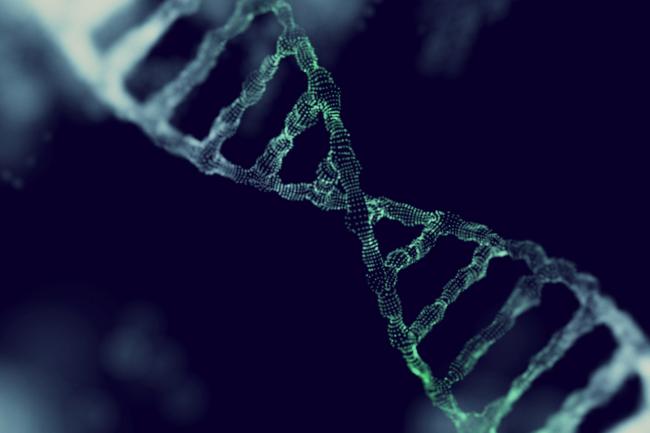
One of these projects - the Single-cell Analysis for DNA Intelligence (SCAnDi) project, led from Earlham Institute, is a multidisciplinary network of scientists from across the UK. They have developed a proof-of-concept for separating complex mixtures of multiple DNA samples - a major challenge in forensic DNA analysis.

The multidisciplinary SCAnDi team at Earlham Institute
Underpinned by Earlham Institute's specialist technology platforms and expertise in single-cell analysis, this method could potentially identify individuals from the DNA in a single cell, as well as the type of cell - such as skin or blood cell - that the DNA came from.
This has key applications in progressing government missions from ‘Safer Streets’ to halving Violence Against Women and Girls. However, to continue this work and ensure this methodology can be used within forensic science, there needs to be a clear funding stream and opportunities to build on the cross-sector collaborations established through this project. This will enable new technologies to reach readiness for operational use.
Professor Neil Hall, Earlham Institute Director said: "It is clear how important our research in forensic science is, and the urgent need for government to fund this area of science."
Collaborations such as the UKRI funded ‘Forensic Science for the Justice System’ are vitally important to overcome the barriers facing the sector.
Dr Iain Macaulay, Group Leader at Earlham Institute and lead of the SCAnDi project, explained further: "The UK once set the bar for technology development in forensic DNA analysis, and with sustained investment I have no doubt many of the challenges we are now addressing would already have been solved a decade or more ago. This is the consequence of the fragmentation and underinvestment in forensic sciences so starkly highlighted in this years’ Graveyard Spiral report."
However, despite these warnings, there is still hope that the situation can be reversed. As Dr Macaulay concluded "these projects and the willing communities that surround them - so clearly demonstrate that the UK retains both the capability, motivation and creativity to lead once again."
SCAnDi is led by the Earlham Institute, which provides world-class infrastructure and expertise in single-cell and spatial analysis through the BBSRC National Bioscience Research Infrastructure in Transformative Genomics.
This includes specialist platforms for cell sorting, genomics, and automation, supported by the Biotechnology and Biological Sciences Research Council (BBSRC), also part of UKRI.
Dr Macaulay is working with co-investigators from the James Hutton Institute, the University of Portsmouth, the University of Derby, Liverpool John Moores University, Edge Hill University, and the University of Edinburgh.
The multidisciplinary team has expertise in single-cell genomics, DNA profiling, microfluidics, artificial intelligence, and forensic genetics.
A key component of SCAnDi is its engagement with the criminal justice sector. The team has established a network of forensic practitioners, legal representatives, researchers, and commercial suppliers and is consulting them to ensure the work meets the real-world needs of forensic investigators.
The project was initially funded for a year, from April 2024, by the Economic and Social Research Council (ESRC), part of UKRI. It has been extended to March 2026.
Dr Iain Macaulay will be speaking about this research at the Festival of Genomics and Biodata in London on the 29 January 2026.
About the Earlham Institute
The Earlham Institute harnesses data-driven biology to accelerate solutions for health, biodiversity and food security.
The Institute combines world-class technology and interdisciplinary expertise across genomics, engineering biology and data science to deliver scientific breakthroughs with economic and social impact.
Based at Norwich Research Park, the Earlham Institute is one of eight institutes strategically funded by BBSRC.