Special Feature People Science
February 11, 2026

I told myself science wasn’t for me. I was wrong.

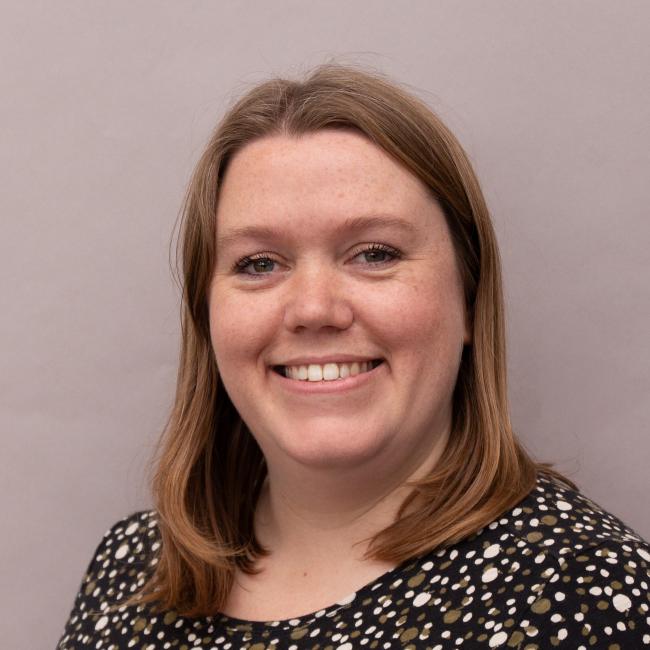
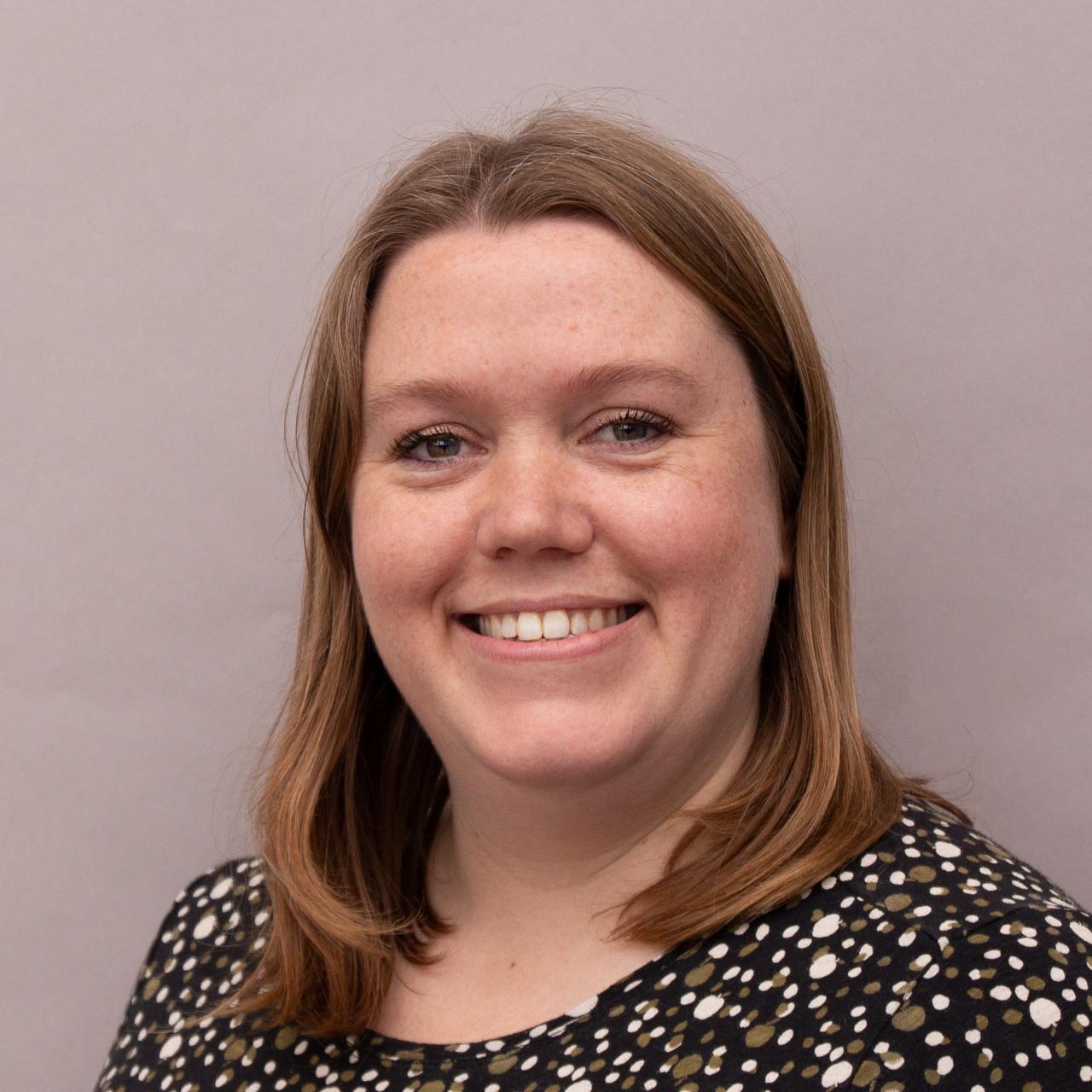
Today we celebrate International Women and Girls in Science Day - a powerful call to advocate for women's representation in STEM. Sarah Brady, Head of Communications at the Earlham Institute, reflects on her personal journey into the world of science and the impact it has had on her life.

I remember sitting in science classes in school feeling that this isn’t the place for me. I told myself (and countless others); my brain just doesn’t work that way – I engage more with creativity.

It’s a story that has repeatedly confirmed itself throughout my life; when I ignored the advice of my school careers advisors by applying to study Conservation Biology instead of music - choosing science while simultaneously telling myself I wasn't a science person - because I deeply cared about the natural world. When I just about scraped through lab work and statistics classes but thrived during presentations, debates and essay writing to gain my degree.

I have always worked in fields that support the subjects I am passionate about – education, events, campaigns and communications – leaning on my natural inclination to share my enthusiasm with others about the subjects I decided weren’t for me to study myself. 

Just under one year ago, I started a new role at the Earlham Institute as the Head of Communications. And it is here that I learned science is for me - a lesson I learned from the creative and immensely talented women at the Earlham Institute.

It turns out even though I didn’t call myself a scientist – science still found me – and all the tools I use in my role; creativity, storytelling and passion are scientific tools too.  

When I interviewed Dr Carolina Grandellis, Head of the Earlham Biofoundry, she told me: "Not only women but everyone looking at STEM careers should follow their curiosity. You can be successful in anything that you choose as long as you bring passion." 

Writing with scientists like Ashleigh Lister revealed similar patterns. "I loved biological sciences, but it took me some time to figure out what that looked like for me," Ashleigh shared. "I scraped through university. I also pursued a career in horse riding for several years! It wasn't until I became a science technician in a local school that I was inspired by the teachers to pursue a career as a teacher, that also wasn’t for me but it led me to university where I found other career paths.”

Then there was Dr Anita Scoones, who wrote openly about her imposter syndrome while delivering training in Brazil: "In what world are you qualified enough to deliver this training to a room full of people who worked so hard to earn their place?” Anita overcame her doubt, explaining: “I had no choice but to trust myself... being asked to 'cook in someone else's kitchen' was a powerful way to test what I know and prove to myself what I'm capable of."

Postdoctoral Researcher Anita Scoones delivers training at EI during the single-cell RNAseq bioinformatics course
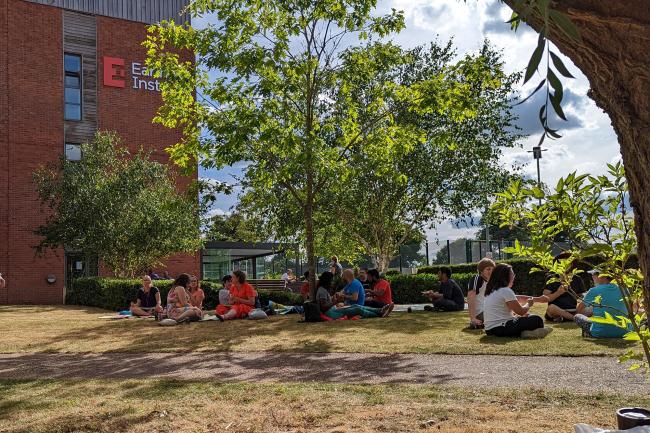
PhD students during a poster session event
Melissa Salmon and Carolina Grandellis from the Earlham Biofoundry

It is through these women and their inspiring stories, I learnt that science is creative, that failure is part of the story and all that matters is having the perseverance and resilience to keep going.

So why did I tell myself that story all those years ago? Why did I decide that I am not a scientist, despite consistently making choices that have led me to science?

Whilst I may never fully understand my answer to that question, my story is not unique. There is substantial evidence that indicates women are not underrepresented in STEM because of their ability, but because of innate biases that discourage women from pursuing careers in this field. From historical bias to societal gender stereotypes to imposter syndrome, there are generations of women who have been conditioned to assume science is not for them. UNESCO statistics highlight women make up only 35% of STEM graduates, a statistic which has not changed in the last 10 years. 

This extends beyond careers in science, according to a new study on public attitudes to science by UKRI, British Science Association and Ipsos – just 35% of women feel informed about science, compared with 51% of men. Women also prioritise different aspects of science – with the report stating women placed higher importance on ethical behaviour and representation compared to men. 

So, what can we do about it? Beyond the mammoth task of tackling societal wide biases - for me, it took meeting female scientists and recognising myself in their stories to realise that I have not understood what science is. That it is creative and that it is relevant for everyone, including myself. 

As a science communicator, I can tell those stories to the best of my ability to help others recognise themselves in these stories too. It turns out even though I didn’t call myself a scientist – science still found me – and all the tools I use in my role; creativity, storytelling and passion are scientific tools too.  

It is through these women and their inspiring stories, I learnt that science is creative, that failure is part of the story and all that matters is having the perseverance and resilience to keep going.

Learn more about how work to support gender equality at Earlham Institute through our Inclusion, diversity, equality and accessibility work.

Tags: IDEA, Careers