

16 June 2015
Science
FEATURE
| 8 min READ


Personal Pronouns: He/Him
Contact details:
Mark McMullan is an evolutionary biologist studying how pathogens emerge on crops and how hosts respond.
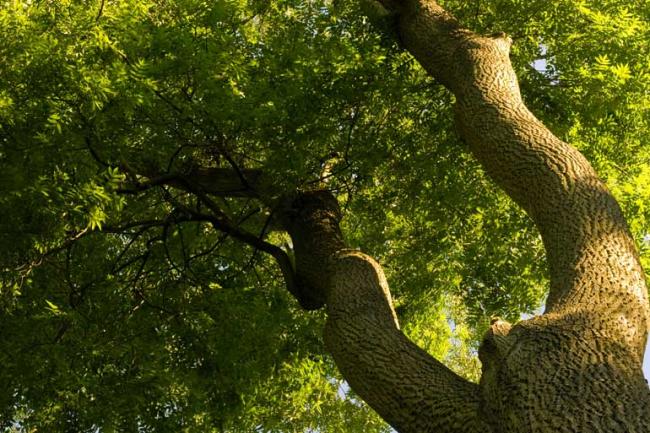
His work uses population genetics, molecular dating, recombination analyses, and individual-based modelling to understand the role of adaptation in pathogen emergence and invasion. He began with the genomics of invasion, tracing the European spread of ash dieback and later its surveillance, and also showed how Albugo candida expanded its host range.
Mark’s central idea is that host-pathogen co-evolution, read through the genetic diversity of wild and domesticated hosts, reveals both the virulence genes that drive emergence and the resistance genes that prevent it.
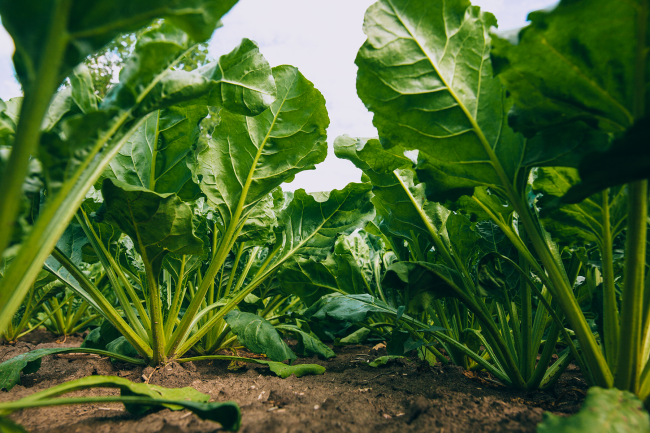
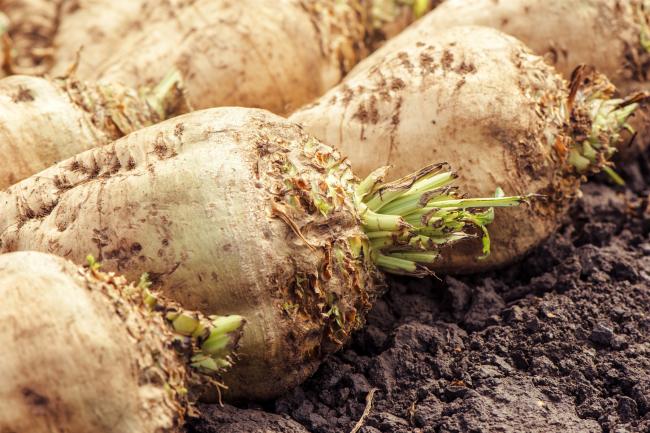
He is developing this in two systems, working with breeding and chemical companies in each: take-all of wheat (Gaeumannomyces tritici), the most important root disease of wheat worldwide, and rust of sugar beet (Uromyces beticola), which infects both the crop and its wild relative, sea beet.
Take-all has been an understudied disease. His team has produced near-complete genome assemblies that resolve two distinct virulence lineages, and is using them to study the genomic features, including repetitive elements, linked to virulence. In sugar beet, he works on both sides of the interaction.
Population genomics of the rust revealed two pathogen populations, with effector genes more differentiated between them and two effectors fixed in the crop population, pointing to a wild reservoir. In wild sea beet he uses association and population genetics to find new resistance genes.
Across both systems, Mark aims to identify the evolutionary ingredients for invasion while finding native hosts that are already resistant.