Methods
Engineering biology at scale
Scientists at the Earlham Institute are integrating engineering biology, genomics, and AI to accelerate the scale and impact of biological design.

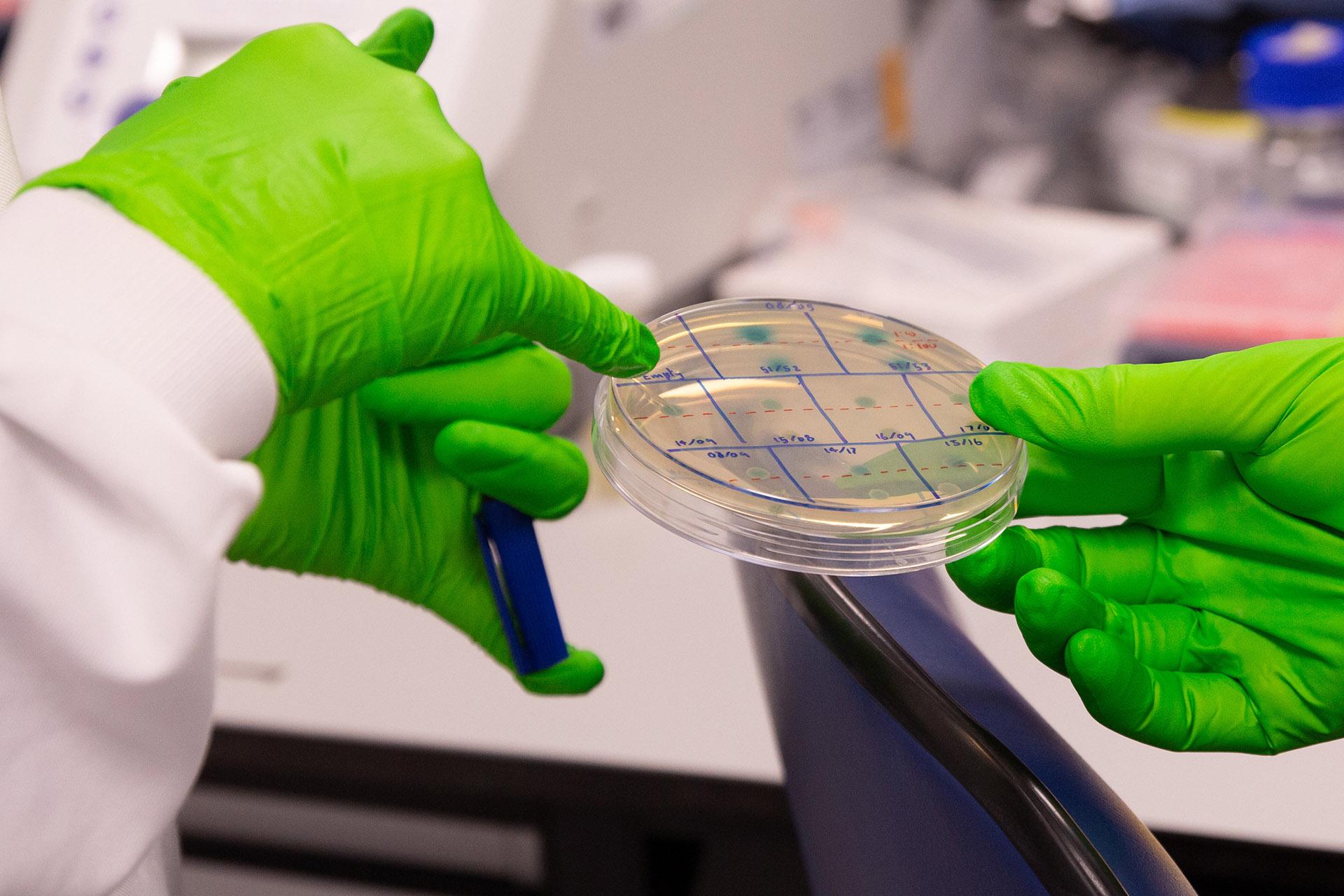
Scientists at the Earlham Institute are integrating engineering biology, genomics, and AI to accelerate the scale and impact of biological design.
Engineering biology applies engineering principles to design, modify, and build biological systems with desired functions.
Building on the principles of synthetic biology, and combining advances in AI, automation, and high-throughput technologies, we’re now able to engineer biology with greater predictability and scale.
As climate change, public health emergencies and human impacts on nature intensify, researchers are designing cells and biological components to produce valuable materials or modify behaviour, developing novel solutions across precision medicine, sustainable agriculture, and biomanufacturing.
At Earlham Institute we’ve developed significant infrastructure and expertise in synthetic and engineering biology, including lab automation and plant and microbial engineering, to accelerate research and expand the scale of biological design.


As a result of climate change, agriculture is facing the twin challenges of unpredictable rainfall and accelerated spread of pest and pathogens. Increasing the use of agrochemicals will only further the impact on our environment.
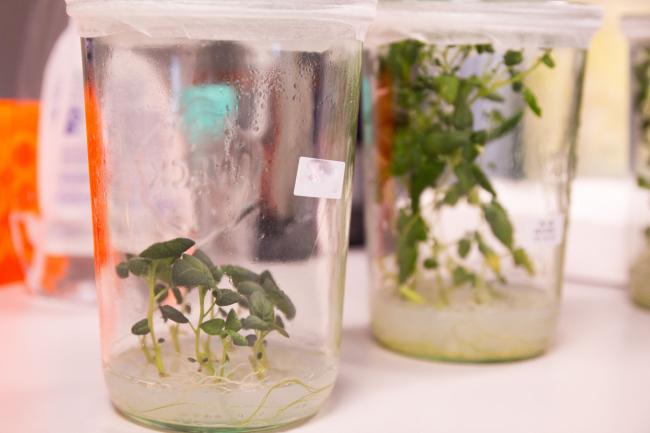
A sustainable alternative is to develop plant varieties that are better suited for these changing conditions and promote plant-beneficial microbes to increase nutrient and water availability to the plants. Scientists in the Guiziou Group at Earlham Institute are looking to engineer plants with deep root architecture, the interactions they have with the beneficial microbes in the rhizosphere, and develop biosensors to better understand the surrounding soil health.

Advances in genome engineering and DNA synthesis are transforming our ability to rewrite existing genomes and construct synthetic chromosomes, opening unprecedented opportunities to understand and engineer biological systems.
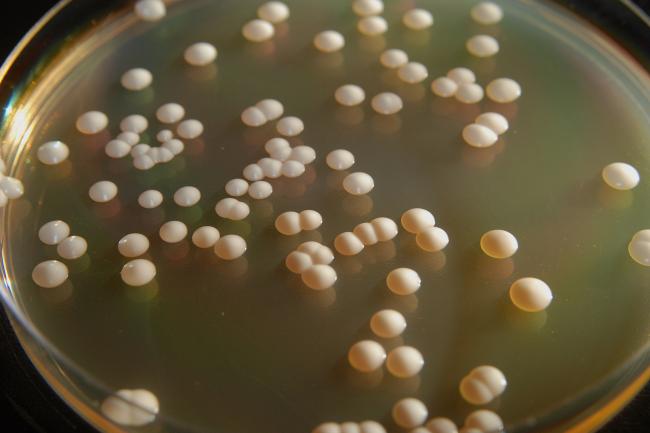
Recent advances in synthetic yeast chromosomes demonstrate the potential of this approach, with extensive redesign and reconstruction of chromosomes based on natural genomic templates. Looking ahead, these technologies could enable the design and construction of entirely new chromosomes, providing powerful tools to uncover fundamental principles of genome organisation and create organisms with novel capabilities.

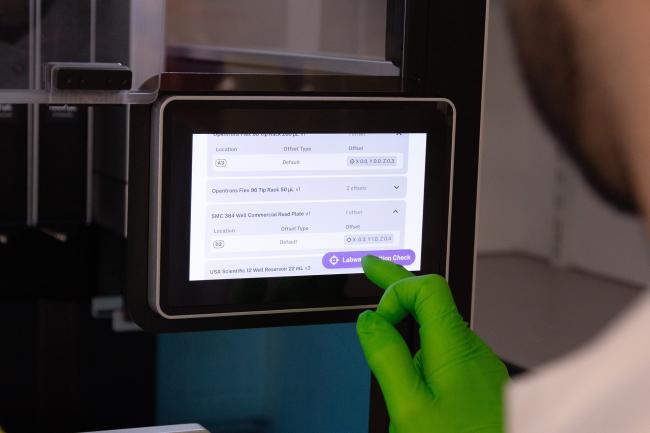
Scientists in the Earlham Biofoundry develop automated pipelines and high-throughput screening approaches to accelerate engineering biology research across a range of applications.
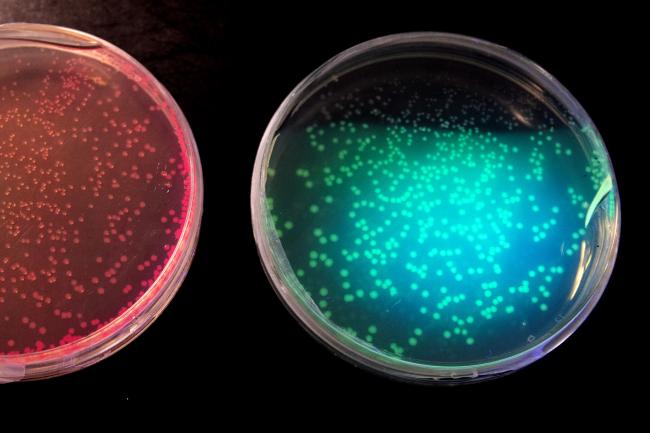
This includes characterising plant regulatory DNA elements using robotics and plant cell-based assays; experimentally validating protein–protein interactions to improve our understanding of biological systems; and engineering microbial strains and screening fermentation conditions to identify optimal media formulations and strain performance. Together, these approaches help researchers test biological designs more efficiently, accelerating research from novel drug discovery to the development of disease-resistant crops.

With enormous potential to tackle the climate crisis, accelerate new clinical treatments, and build a more sustainable bioeconomy, the UK Government has prioritised engineering biology as a critical technology to drive scientific innovation and economic growth as part of the Modern Industrial Strategy.
Earlham Institute works with researchers and other professionals across Norwich Research Park and policy bodies to bring Engineering Biology to the forefront of Government activity.

State-of-the-art automation platforms alongside synthetic and molecular biology expertise make the Earlham Biofoundry a critical resource for the UK biology and biotechnology communities.
One of just five such sites in the UK, the Biofoundry supports large-scale, high-throughput engineering of biological systems; promotes the use of, and training in, automation; and advances bioscience research and innovation in the UK.

Advances in synthetic genomics have opened new pathways for engineering biology, enabling the rapid design and construction of biological systems at scale for innovative applications and to address fundamental scientific questions.
Funded by a multimillion pound grant from the UK Government’s Advanced Research + Invention Agency (ARIA) as part of the Synthetic Plants programme, a multidisciplinary collaboration of researchers is leveraging these advances to establish synthetic plant chromosome (synPAC) technologies.
The research team aims to develop critically needed synthetic chromosome technologies with a robust and reproducible engineering system to allow the targeted programming of plants at a scale that can transform food security.