Research

Felix Shaw

Research Software Engineer
Image

Biography

Contact details:

  • +44 (0) 1603 450 090 

felix.shaw@earlham.ac.uk


I'm a researcher working on the COPO (Collaborative Open Plant Omics) platform; a tool for creating, depositing and searching for bundles of research objects. 

I hold a First Class Honours degree in Computer Science and gained my PhD from the University of East Anglia in 2015, studying facial animation, computer graphics, signal processing and machine learning. 

My current interests are in the fields of data science, open source and how to apply machine learning techniques in these areas to improve the tools available to researchers. I have industry experience working as a web developer in several start-ups and three years experience teaching to undergraduate level.

Research group

ELIXIR-UK

Coordinating data, tools, training and standards across the UK

Group activities.

ELIXIR is a Europe wide data infrastructure for the life sciences. It aims to facilitate sharing of life science data by integrating data sources and tools under a unified set of standards and provide computing infrastructure and the training needed to make these resources accessible to bioinformaticians and life scientists.

EI is the Lead Institute for ELIXIR in the UK. As such it forms the bridge between the UK’s data infrastructure falling under ELIXIR’s platforms (Data, Tools, Compute, Standards and Training) and ELIXIR Hub. 

ELIXIR operates a hub and nodes model with the Hub being located at Hinxton. EI hosts the office coordinating the UK Node, bringing UK based resources into the wider project and providing a nucleating centre for UK data, tools, standards and training provision. 

EI’s ELIXIR activities are currently headed by Professor Neil Hall, who is supported by Ariadna Miquel Clopés (Research Administrator), Xenia Perez Sitja (Communications and Community Manager) and Nicola Soranzo (Technical Co-ordinator).

ELIXIR-UK is a distributed network co-led by Prof Neil Hall and Prof. Carole Goble at the University of Manchester. ELIXIR-UK is supported by three Research Councils: BBSRC, MRC and NERC. It was funded in 2014 to provide training coordination both across ELIXIR and in the UK.

As well as playing an active leading role in the UK’s ELIXIR contributions, the ELIXIR group at EI also contributes to the development of UK data infrastructure through participation in strategic initiatives and by making contributions in infrastructure development, for example by hosting major activity in BioJS development.

Research

Jon Wright

Bioinformatician
Image
Jon Wright, Profile Picture

Biography

Personal Pronouns: He/Him

Contact details:

  • +44 (0) 1603 450 986 

 jon.wright@earlham.ac.uk

@jonwright99

ORCiD

As a Bioinformatician in Anthony Hall’s group, I’m particularly interested in genome assembly and am currently contributing to the Delivering Sustainable Wheat and Decoding Biodiversity Institute Strategic Programmes. 

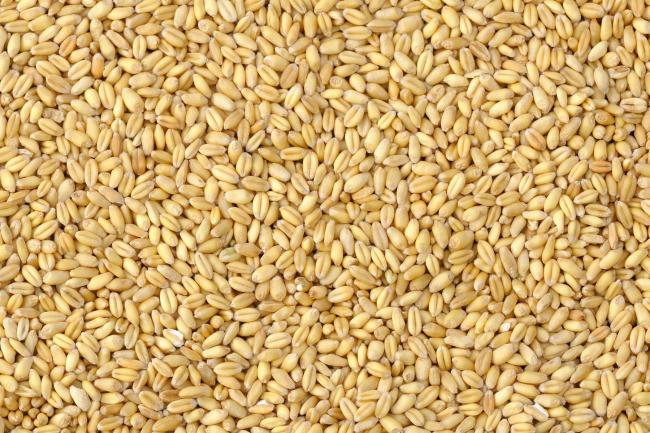
As part of these programmes, I am assembling the genomes of important UK wheat varieties and historical lines from the Watkins bread wheat landrace collection utilising the latest sequencing technologies available at the Earlham Institute such as PacBio, Nanopore and HiC. These high-quality genomes will allow us to identify structural rearrangements and introgressions that underlie important agronomic traits in these lines, and will also contribute to the wheat pangenome and pangenome-related tools for wheat.

I also collaborate with researchers at Rothamsted Research and the European Reference Genome Atlas (ERGA) to generate a genome assembly of Alopecurus aequalis, a problematic agricultural weed, to understand the genetic basis of weediness.

I joined the Earlham Institute in 2010 to generate assemblies of the 42 chromosome arms of hexaploid wheat for the chromosome-based draft sequence within the International Wheat Genome Sequencing Consortium. Since then, I have been involved in several collaborations to generate genome assemblies for important wheat lines from the UK and around the world using our w2rap pipeline.

My first degree was in Chemistry, after which I completed a MSc in Information Technology before working in the commercial software industry for several years. 

I received my PhD in Computational Biology from the John Innes Centre in 2010 where I worked on the model grass Brachypodium distachyon and comparative genomics in the grass family.

Research

Tilapia Genomic Resources

Developing genomic resources in wild and farmed tilapia for the benefit of the aquaculture industry globally and in Africa.

Project Summary.

Previous Funders:

  • UKRI Natural Environment Research Council (NERC)
  • UKRI Biotechnology and Biological Sciences Research Council (BBSRC) GCRF Data and Resources


Current Funders:

  • UKRI Biotechnology and Biological Sciences Research Council (BBSRC) 
  • EU Development Fund


Most of the world's fisheries are overexploited and it seems inevitable that fish-farming will largely replace fishing, just as livestock farming has replaced hunting as the main source of food from land animals. Unfortunately, many farmed fish, such as salmon, are themselves predators and need to be fed on fish meal. 

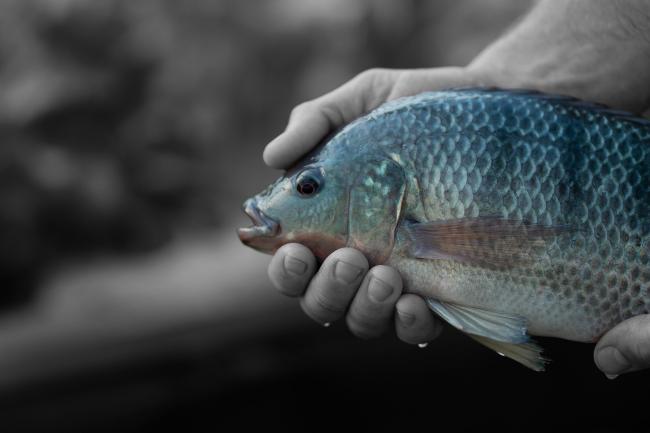
Global tilapia production hit 6 million tonnes for the first time in 2020 and is now a  $7.6 billion dollar industry,  highlighting the huge growth in the freshwater aquaculture industry. However, that growth is threatened by a number of factors - including disease and arising pathogens, unwanted hybridization with wild fish, and climate change.

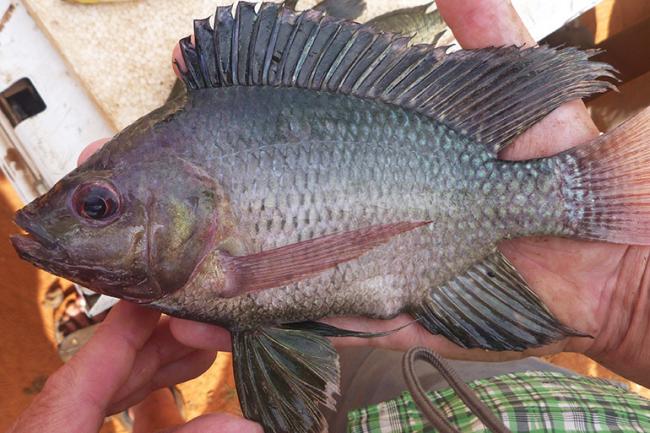
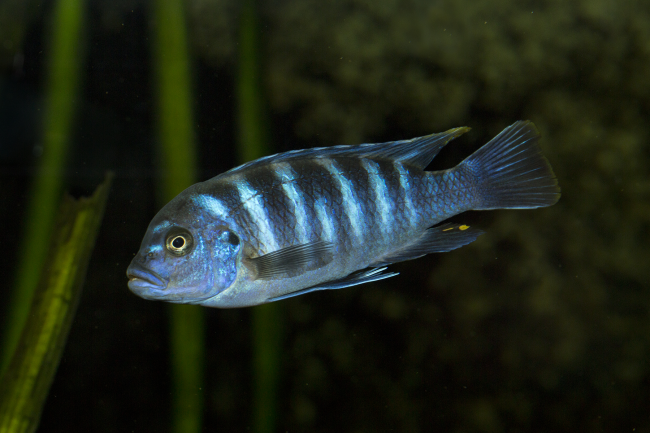
Most tilapia production is based on a handful of strains, but there are more than 50 wild species throughout Africa which could harbour valuable genes for growth, disease resistance, temperature & salt tolerance etc. Many tilapia will hybridize readily, so that the natural genetic traits could easily be bred into farmed strains without the need for GM technology. However, this feature also renders them vulnerable to genetic swamping by stocking with alien farmed strains into natural water bodies, a practice now widespread in Africa..

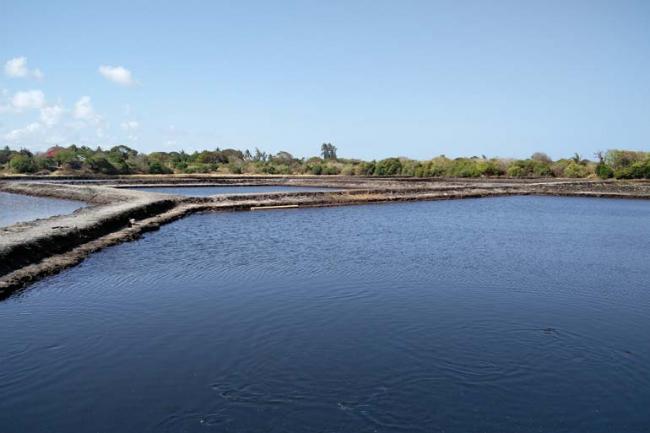
In this project we are establishing the needed genomic resources to enable the study of genomic diversity of wild tilapia populations, including past and ongoing gene flow between populations and across species. These species present different degrees of environmental adaptation for salinity, temperature, oxygen content. Using comparative genomics and system biology approaches we aim to investigate, characterise, and understand the genomic bases associated with those traits of interest. In close collaboration with WorldFish, we are generating similar high quality genomic resources for elite farmed strains of Nile tilapia with the aim of enabling future selective breeding for traits such as pathogen and environmental resilience.


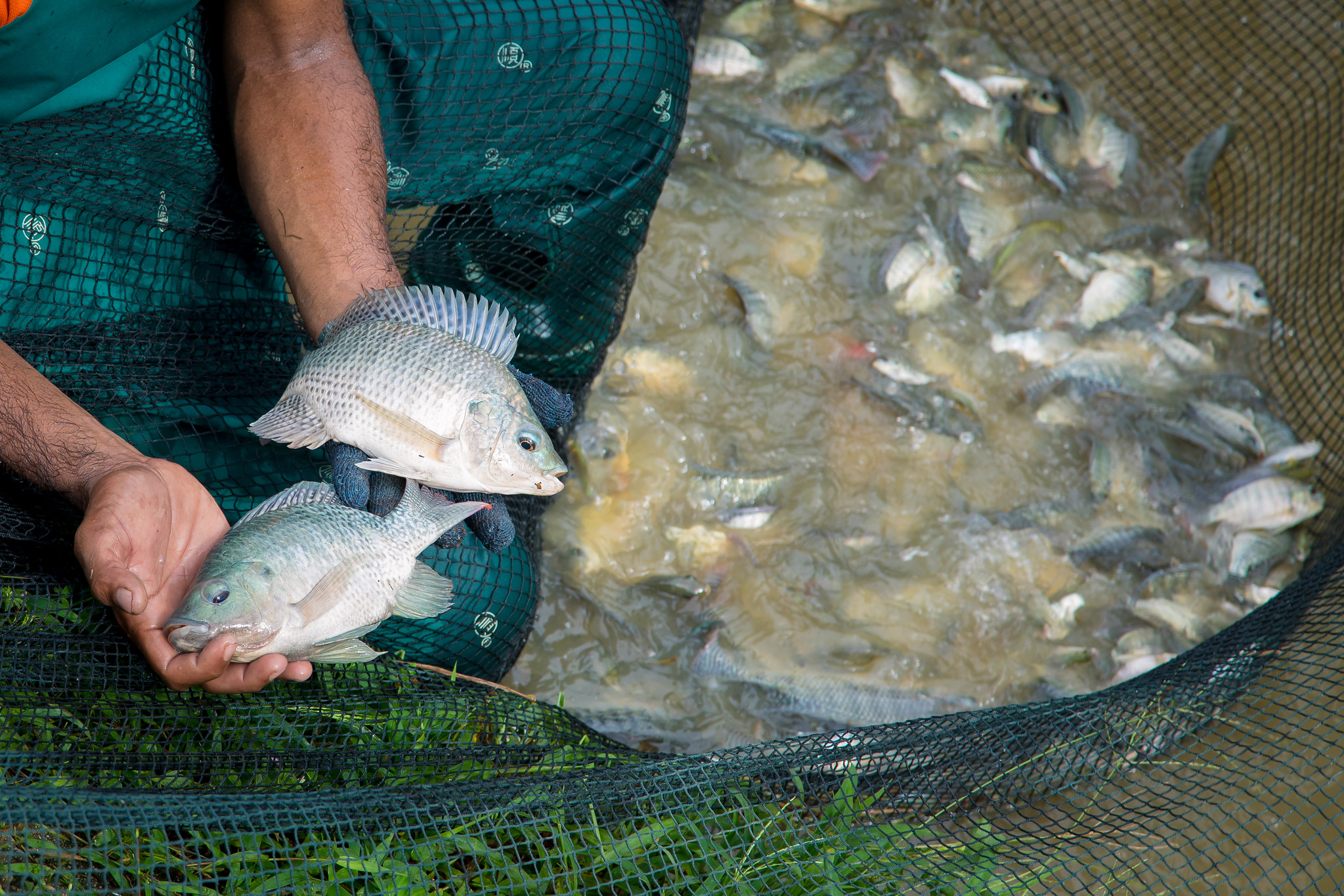
Image above courtesy of WorldFish.

Impact statement.

Tilapia are now the third most important freshwater species in aquaculture. Our work in close collaboration with National Fisheries organisations in Uganda, Kenya, and Tanzania aims at identifying the genetics status of existing stocks in water bodies of East Africa countries.

We will disseminate our research and deliver relevant bioinformatics training for local staff and research students through our partners in Uganda, Kenya, and Tanzania. Our work in close collaboration with WorldFish will lead to enhanced genomic resources for elite strains enabling further selective breeding.

Our activities will lead to improved research and monitoring and ultimately to enhancement of the aquaculture industry. We believe that this research will be of great interest to students and the general public in the UK and internationally and we will carry out a variety of dissemination activities through a range of media. Furthermore, the genome sequence information will be publicly available to future researchers, benefiting the wider academic community interested in research themes as diverse as selective breeding, fish health, and evolutionary biology.