Research

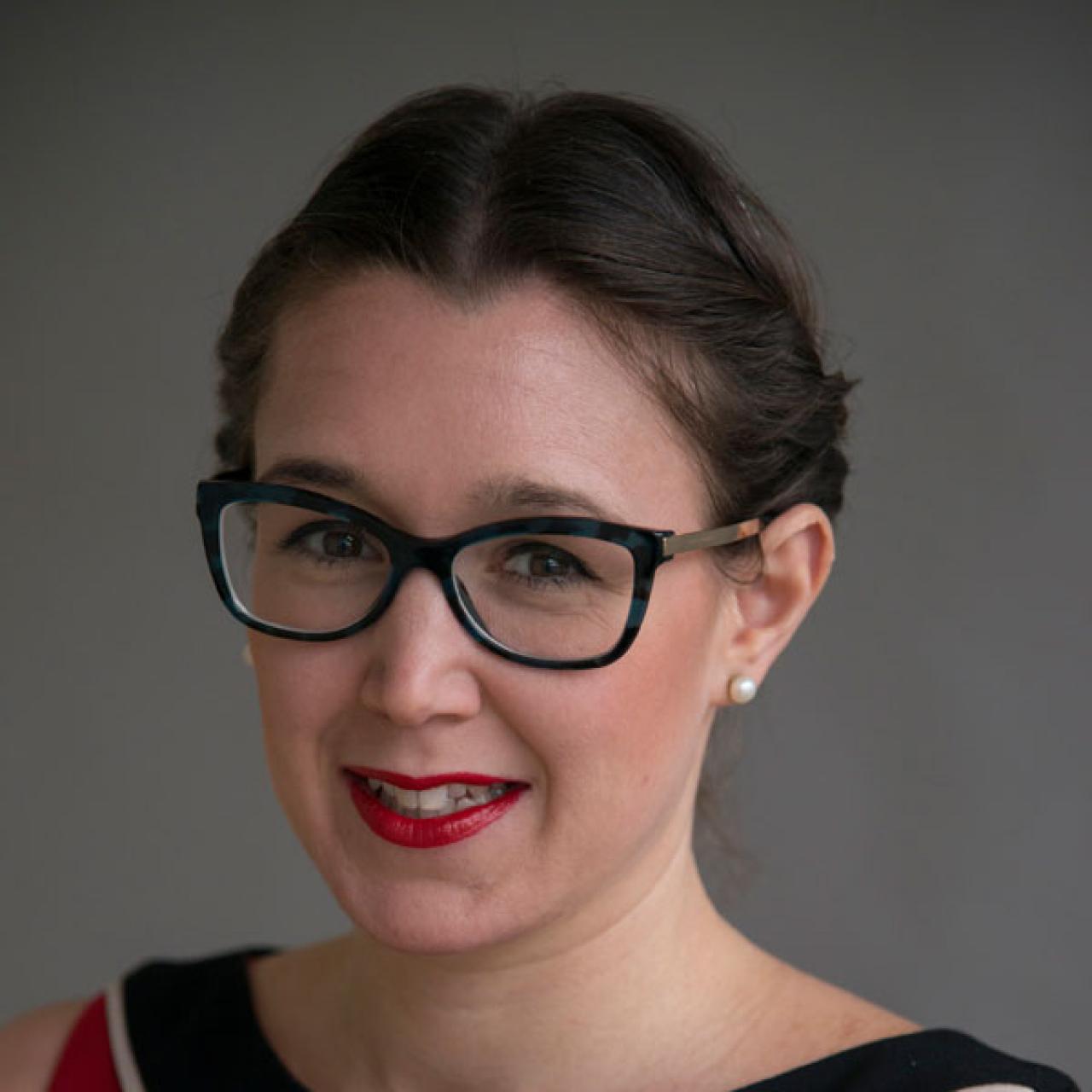
Ellen Cameron

Postdoctoral Research Scientist
Image
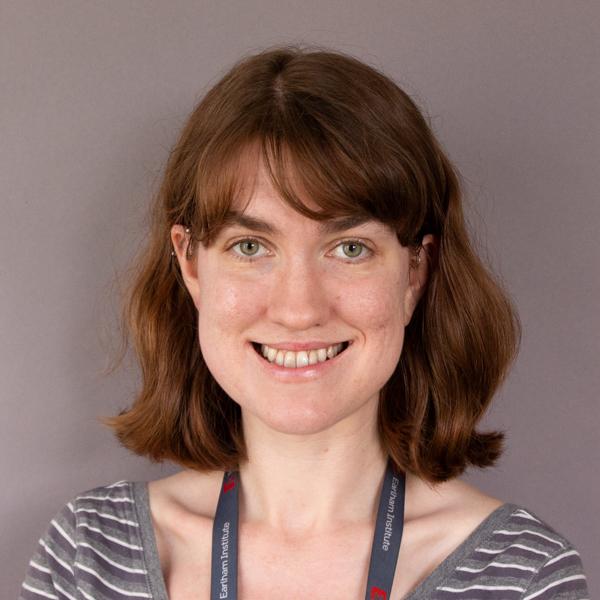
Profile of Ellen Cameron

Biography

Contact details:

ellen.cameron@earlham.ac.uk

ORCiD


Ellen is an ecologist interested in applying modern molecular techniques to characterise ecological community structures and species interactions. 

Currently, she is exploring the potential of using single-cell RNA sequencing to characterise multi-species assemblages found in symbiotic associations. In the Papatheodorou group, she will contribute to the development of single-cell RNAseq analysis pipelines for non-model organisms.

Prior to joining the Earlham Institute, Ellen was a postdoctoral fellow at the Wellcome Sanger Institute and the European Bioinformatics Institute using long-read metagenomics to characterise lichens and explore the evolution of algal and fungal symbionts.

Ellen completed a master's degree in molecular science at the Toronto Metropolitan University and a PhD in biology at the University of Waterloo in Ontario, Canada where her research focused on microalgae and cyanobacteria.

Event Science

Dame Janet Thornton Annual Lecture

The Dame Janet Thornton Annual Lecture recognises Janet’s distinguished career, and her significant contribution to broadening the scope of traditional bioscience through applying computational methods to analyse biological data.

Start date: 25 November 2024
End date: 25 November 2024
Time: 13.30 - 15.30
Venue: John Innes Conference Centre
Organiser: Chloe Warren
Registration deadline: 11 November 2024
Cost: Free

About the event

We’re pleased to be welcoming Elinor Karlsson to the Earlham Institute for the inaugural Dame Janet Thornton Lecture. 

The Zoonomia Project: Exploring 100 Million Years of Evolution for Health and Conservation

Imagine a treasure trove of genomic secrets from more than 240 mammalian species spanning over 100 million years of evolutionary history. The Zoonomia Project, one of the largest comparative genomics resources produced to date, is exactly that.

By capturing mammalian genetic diversity, the Zoonomia Project found that about 11% of the human genome is evolving unusually slowly, and this can help us find the genetic changes responsible for human diseases. Zoonomia’s massive data compilation also allowed us to reconstruct the phenotype of Balto, a sled dog that helped save an Alaskan town from a 1925 diphtheria outbreak.

We’re now combining this genomic treasure trove with cellular models to explore how important traits, like hibernation and brain size, evolved across species. We look towards an even more data-rich future, and ask how we can ensure that large projects like Zoonomia, motivated by the opportunity to address health challenges in humans, can help us understand and protect our planet’s biodiversity.

Dame Janet Thornton

Professor Dame Janet Thornton is a leading figure in structural bioinformatics. She was the Director of EMBL’s European Bioinformatics Institute (EMBL-EBI) between 2001 and 2015, and Chair of the Earlham Institute’s Board of Trustees from 2017 until 2022. 

The Dame Janet Thornton Annual Lecture recognises Prof Thornton’s distinguished career, and her significant contribution to broadening the scope of traditional bioscience through applying computational methods to analyse biological data.

Elinor Karlsson

Elinor Karlsson, PhD is a Professor in Genomics and Computational Biology at the UMass Chan Medical School, and director of Vertebrate Genomics at the Broad Institute of MIT and Harvard. Her research combines genomics, new technology and community science to investigate diseases and discover the origins of exceptional mammalian trails like hibernation and exceptional longevity. 

Prof. Karlsson’s research includes the Zoonomia project, an international effort to compare the genomes of over 240 mammals (from the African Yellow-spotted Rock Hyrax to the Woodland Dormouse) and identify segments of DNA that are important for survival and health. Prof. Karlsson also has a special interest in pet genetics. 

Her community science nonprofit organisation, Darwin’s Ark, invites all dog and cat owners to enroll their pets in an open data research project exploring the genetic basis of behavior, as well as diseases such as cancer.

Elinor received her B.A. in biochemistry/cell biology and her B.F.A. (Bachelor of Fine Arts) from Rice University, and earned her Ph.D. in bioinformatics from Boston University. She was a postdoctoral fellow at Harvard University before starting her research group at UMass Chan Medical School in 2014, where she is the Dr. Eileen L. Berman and Stanley I. Berman Foundation Chair in Biomedical Research.


Register today.
Registration deadline: 11 November 2024

Participation: Open to all

Research

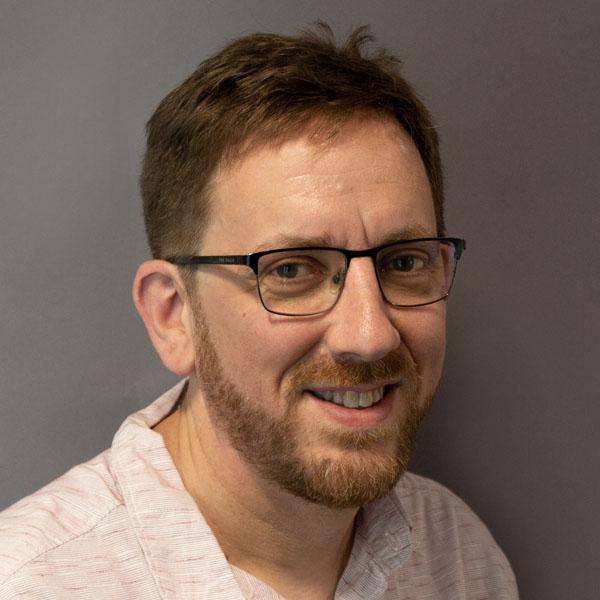
Jamie Pike

KTP Associate
Image
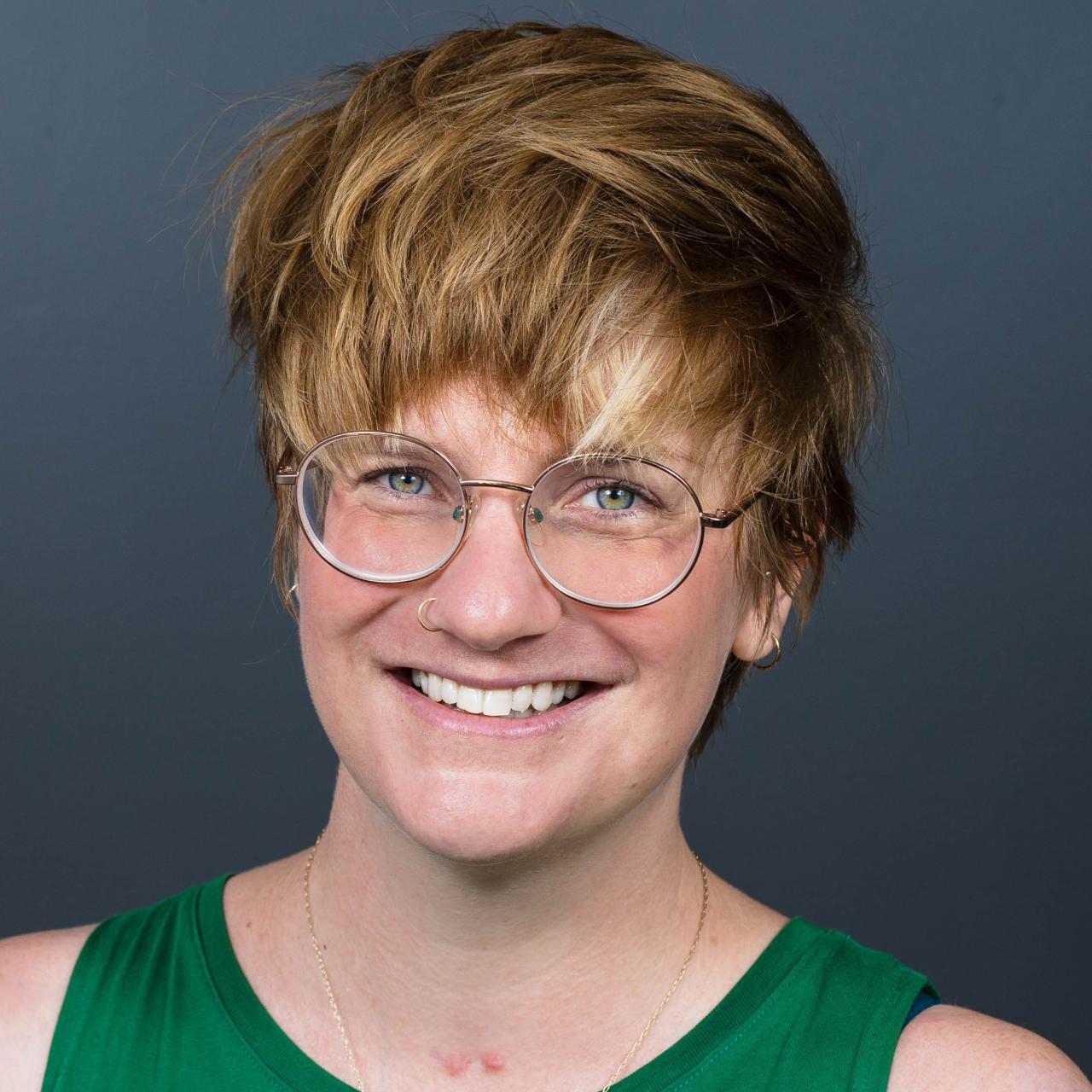
Profile of Jamie Pike

Biography

Personal pronouns: He/him

Contact details:

jamie.pike@earlham.ac.uk

ORCiD


As a Knowledge Transfer Partnership Associate, I act as a bridge between academia and business. I am part of the De Vega group at the Earlham Institute, but I am based at the Tozer Seeds Innovation Centre, in Cobham, Surrey. 

Embedded within Tozer’s Research and Development team, I apply genomic analysis alongside laboratory and field-based variety trials to accelerate and optimise the breeding process for celery and other vegetable crops.

My background includes a PhD funded by Waitrose-CTP at the University of Warwick, where I researched Fusarium wilt in fruit and vegetable crops. 

My work focused on pathogen diversity, identifying virulence genes, and developing approaches for disease diagnostics. I also hold a BSc in Horticulture – Plant Science from the Eden Project in Cornwall.


Operations

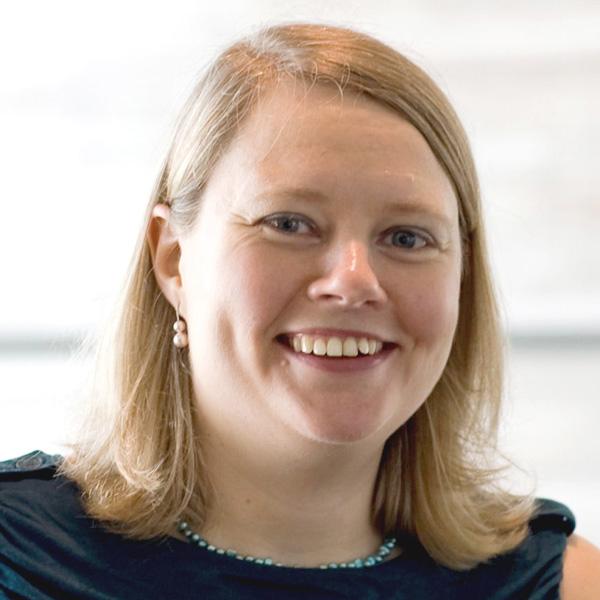
Beth Bankes-Jones

Events Manager
Image
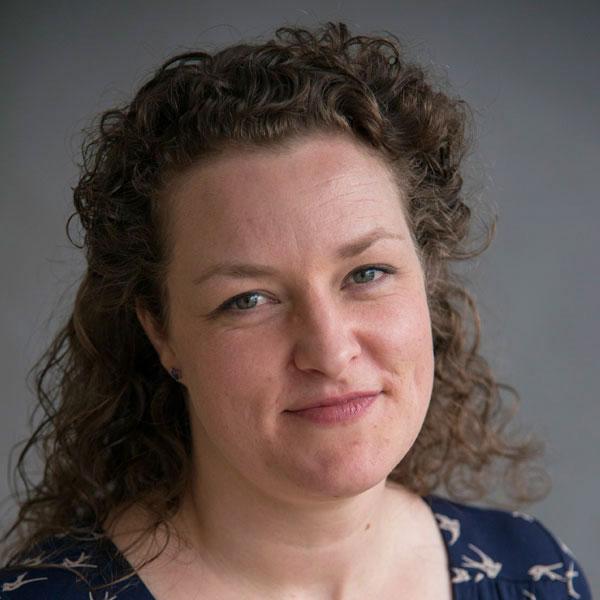
Profile of Beth

Biography

Contact details:

  • +44 (0) 1603 450 264

Beth.Bankes-Jones@earlham.ac.uk


Beth joined the Earlham Institute in August 2024 as an Events Manager. This role supports EI’s Advanced Training programme, working with colleagues across EI to deliver workshops, training courses, symposiums and conferences.

Beth also supports EI's Year in Industry programme, supervising undergraduate students during their yearlong placements at Earlham.

Prior to joining the Earlham Institute, she completed a PhD at the John Innes Centre, identifying genes underlying Fusarium and mycotoxin susceptibility in Brachypodium distachyon. Before this, she completed an MSc in Plant Genetics and Crop Improvement and a BSc in Natural Sciences, both at the University of East Anglia. Following her PhD, Beth owned and managed a local haberdashery business.

Research

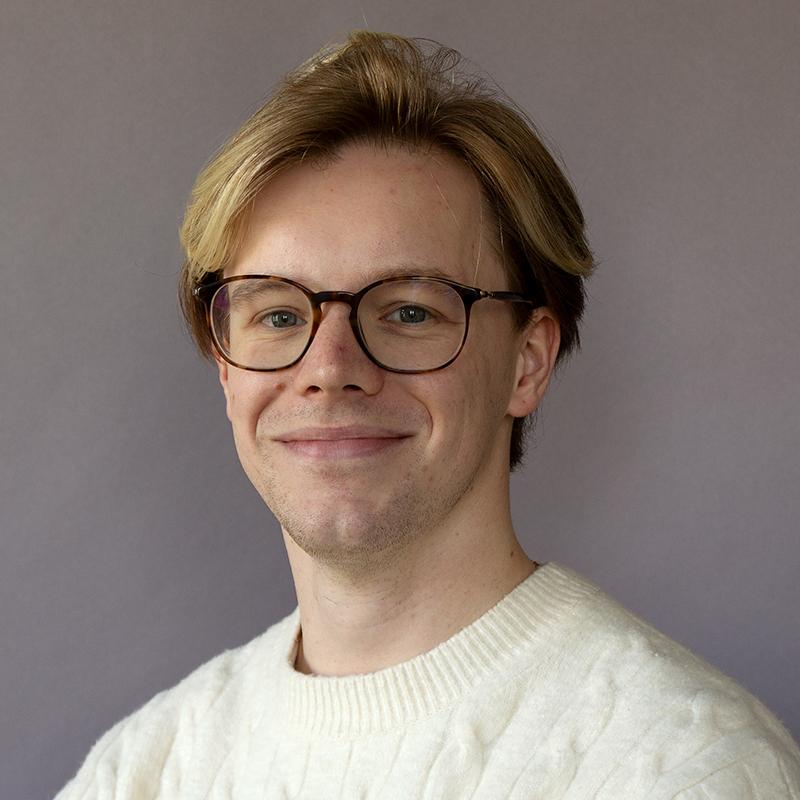
Eduardo de la Vega

Postdoctoral Research Scientist
Image
Profile of Eduardo de la Vega

Biography

Contact details:

  • +44 (0) 1603 450 932

eduardo.de-la-vega@earlham.ac.uk


I obtained my Ph.D. in 2019 at the Pontifical Catholic University of Chile in Biological Sciences working at Hugo Olguin’s group. 

Before joining to Nieduszynski Group I was studying DNA damage mechanisms in Dundee, Scotland, and later to Ulsan, South Korea to investigate the function of the nuclease ANKLE1 in mammalian cells as a postdoc in the laboratory of Professor Anton Gartner, in collaboration with John Rouse (MRC-PPU).

I Joined the Nieduszynski Group in 2024 to unveil DNA replication dynamics in mammalian cells using single molecule sequencing methods.

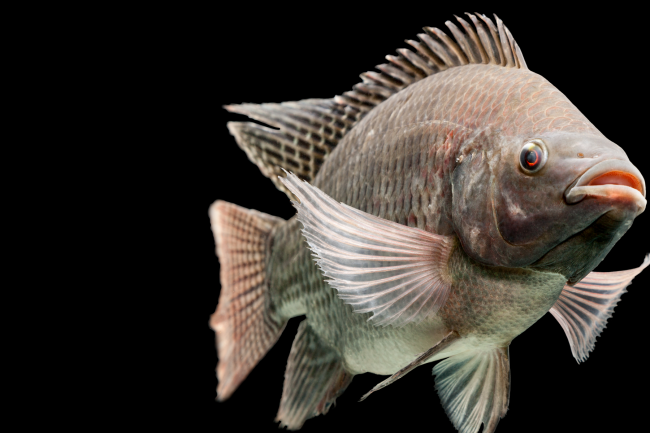
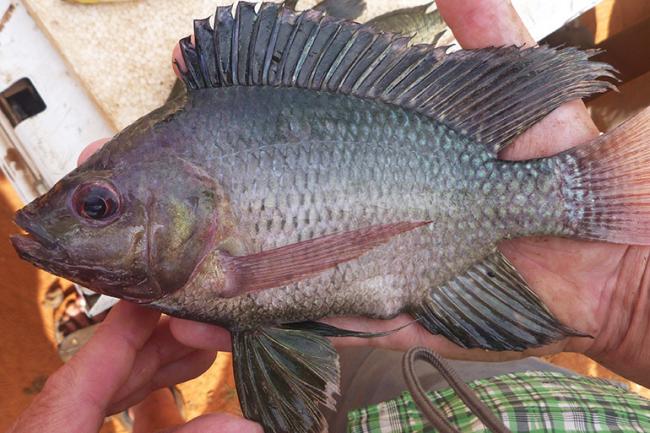
Source of tilapia diversity now a threat to survival

24 July 2024

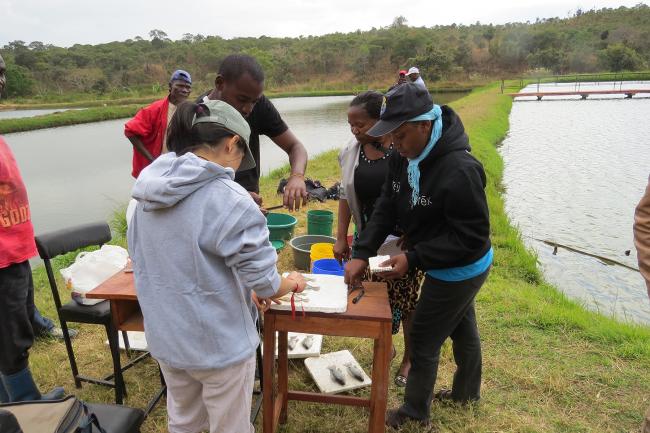
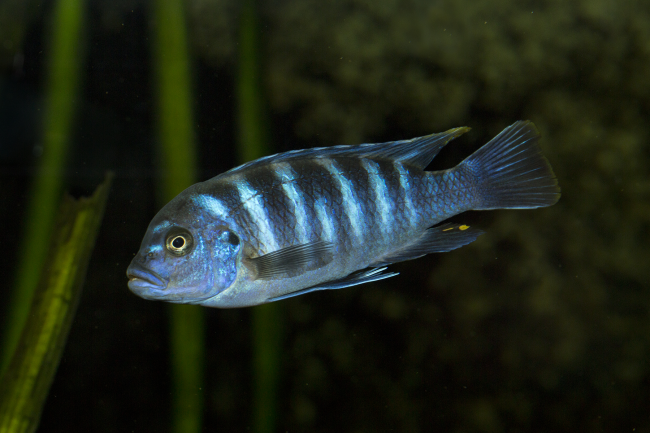
Cross-breeding is becoming an existential threat to aquaculture in East Africa and, if left unchecked, could lead to the disappearance of genetic diversity for one of the most widely-farmed freshwater fish in the world.

Notes to editors.