




















Event Science

Norwich Single-Cell and Spatial Symposium

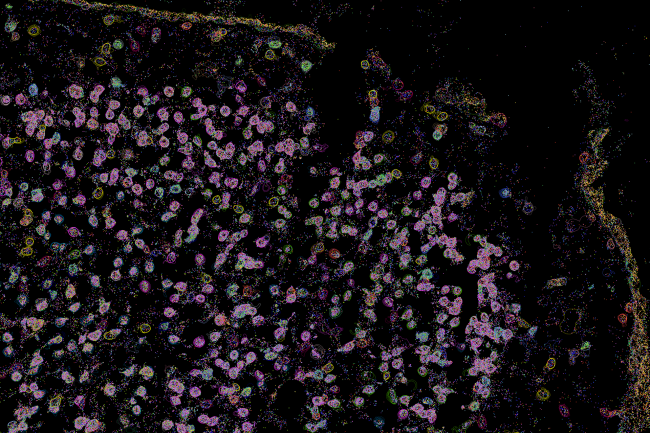
Now in its eighth year, and extended to a two-day event, the Norwich Single-Cell and Spatial Symposium at Earlham Institute covers single-cell and spatial genomics technologies and their application in microbial, plant, animal and human health and disease.

Start date: 18 June 2025
End date: 19 June 2025
Time: 09.00 - 16.30
Venue: Earlham Institute (Norwich UK)
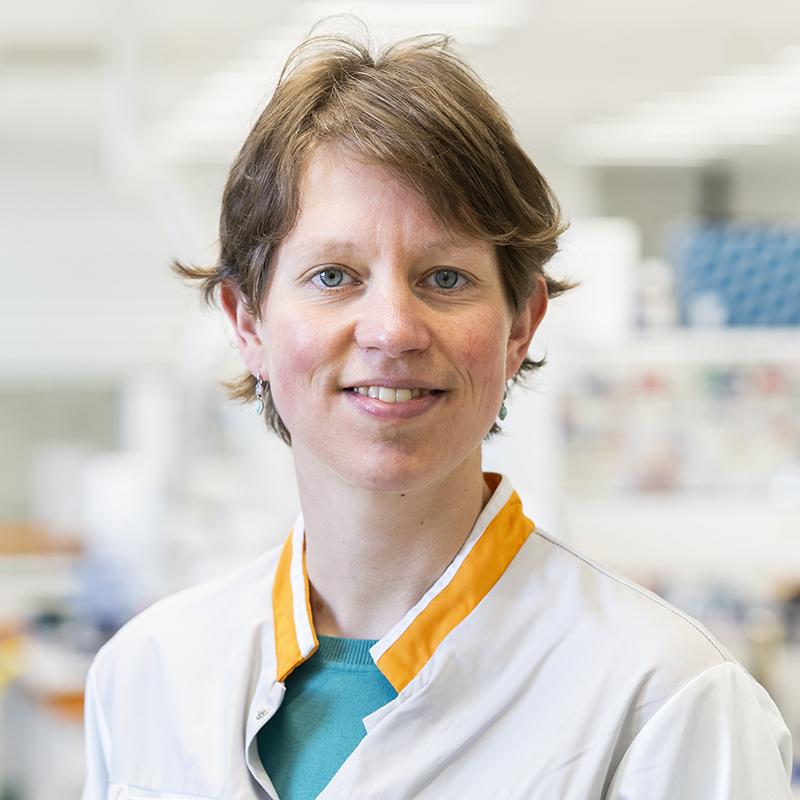
Organiser: Emily Angiolini
Enquiries:

training@earlham.ac.uk

Cost: £175.00
About the event

Single-cell and spatial technologies continue to develop at pace, generating new insights into cellular diversity within living systems. 

This event aims to bring together researchers who are curious about applying single-cell technologies with those who are experts working at the forefront of the field and across a wide range of species. 

Held in partnership with the UEA School of Biological Sciences, the symposium covers single-cell and spatial technologies, and their applications in microbial, plant, animal and human health and disease. 

Offering a forum for researchers working on similar challenges in diverse systems to discuss the latest developments in single-cell genomics, while networking with other researchers with the intention of catalysing future development and application of single-cell genomics across the UK. 

The event will feature talks from keynotes, invited speakers and selected abstracts, and we are keen to capture as broad a range of single-cell applications as possible.

Abstracts

Download the 2025 Speaker Abstract Booklet


Sponsors and Supporters

The Norwich Single-Cell and Spatial Symposium is held in partnership with the University of East Anglia and with support from our sponsors.

Image
Logos of sponsors the Norwich Single Cell symposium including UEA, BioLegend, illumina, Vizgen, Singleron, Pixelgen Technologies, Parse Biosciences, BD Biosciences, 10x Genomics and Proteintech


Register today.

Participation: Open to all

Register your interest in attending Norwich Single-Cell and Spatial Symposium today.

Research

Meha Patel

Clinical Research Fellow
Image
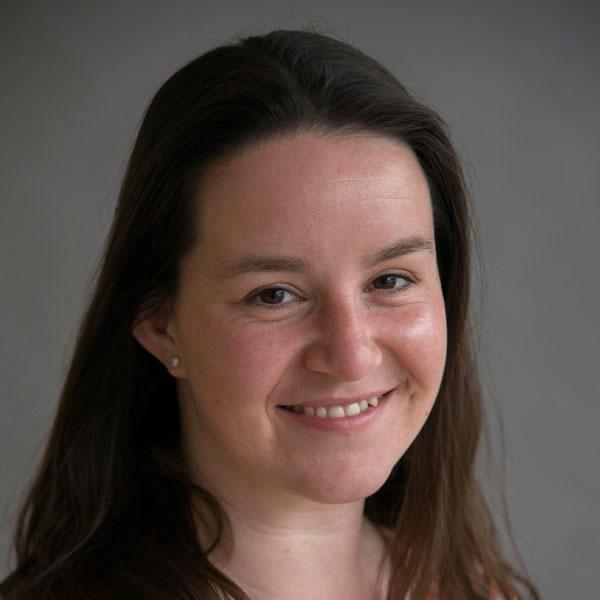
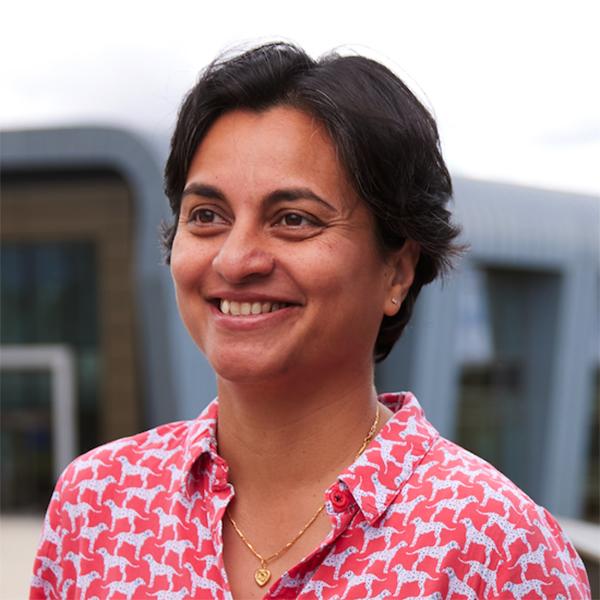
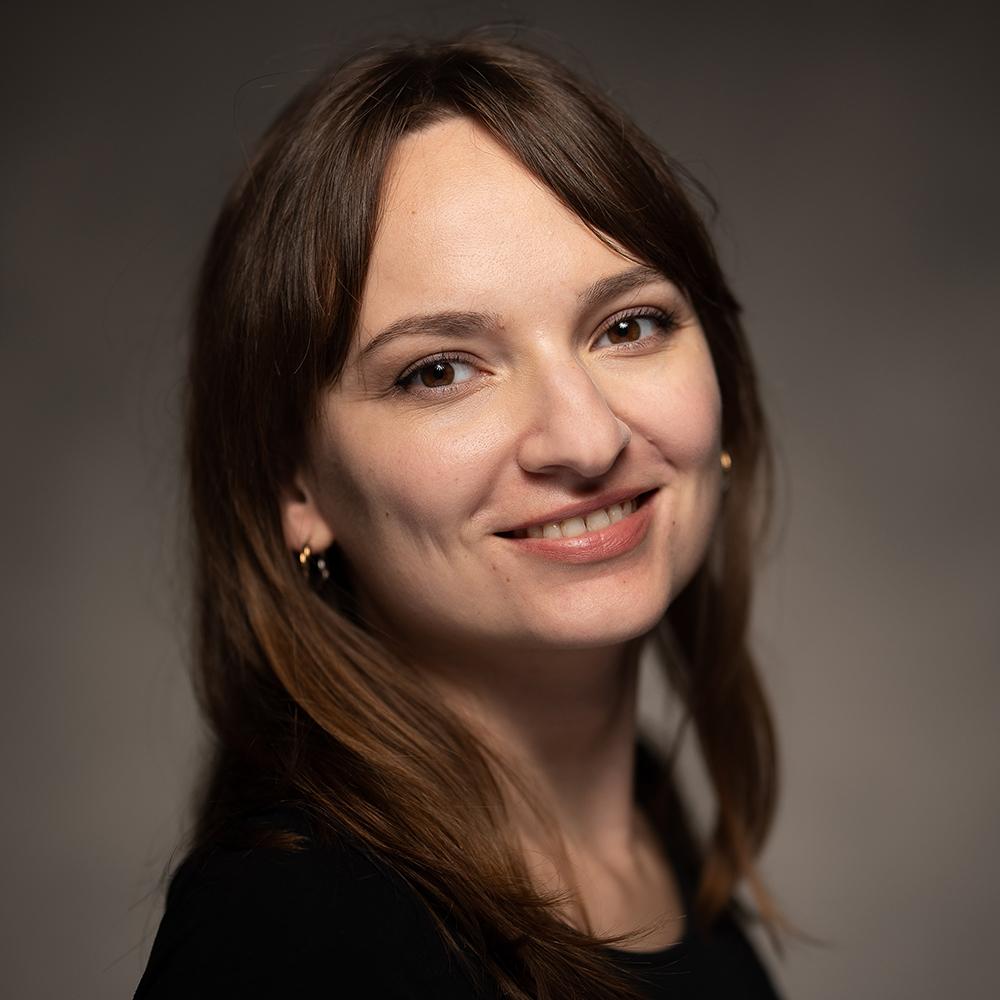
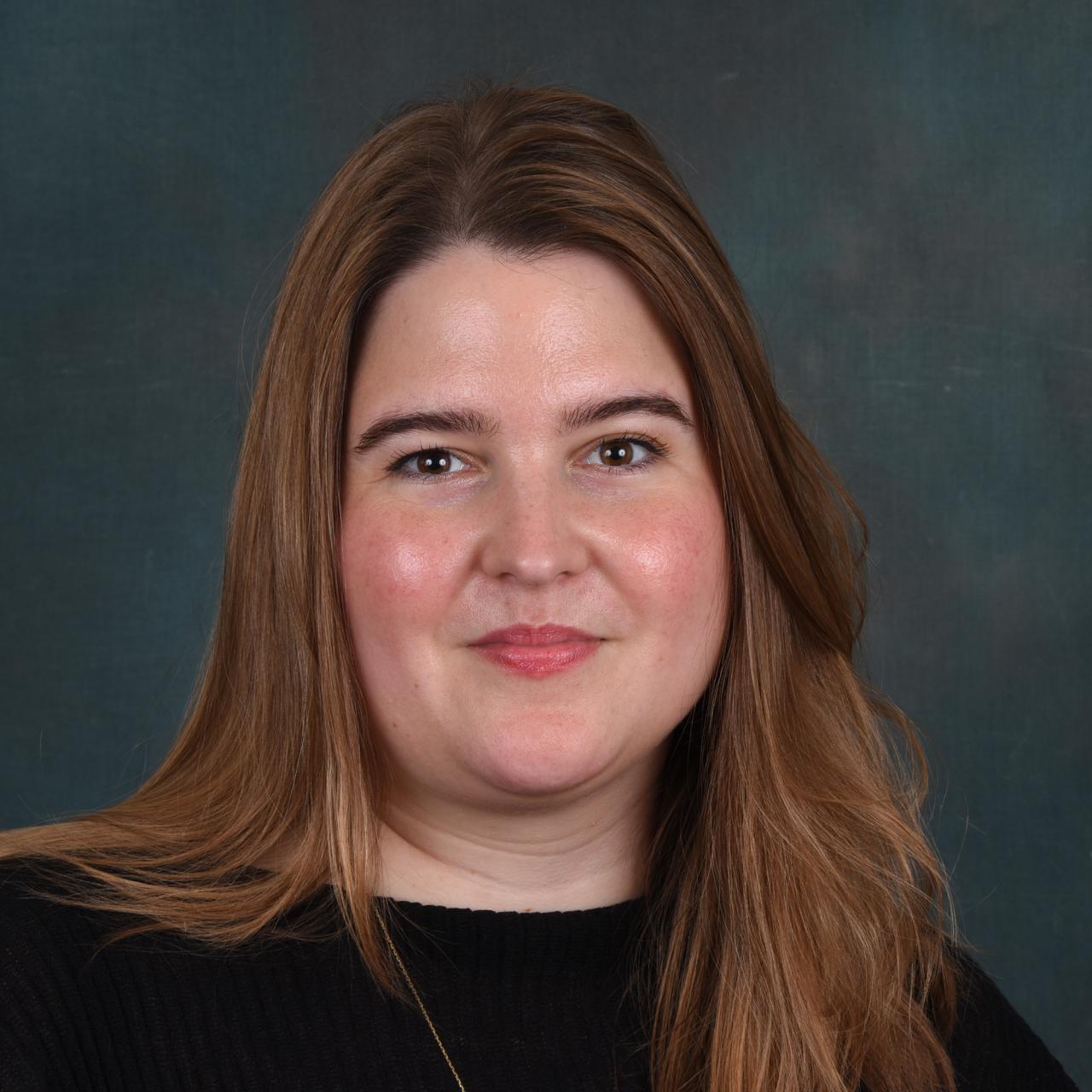
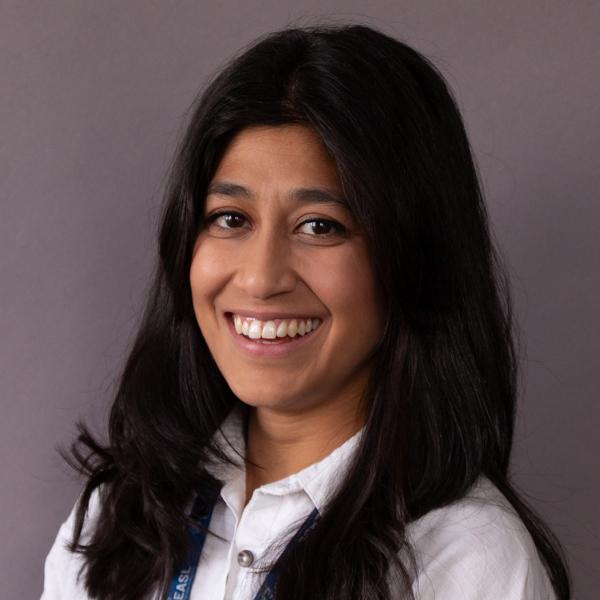
Profile of Meha Patel

Biography

Contact details:

  • +44 (0)1603 450 871

meha.patel@earlham.ac.uk


I am a Wellcome Trust Clinical PhD Fellow in the Macaulay group. My PhD is focused on using single cell technologies to define the tissue-resident and circulating immune cell landscape in Primary Sclerosing Cholangitis, a rare liver disease.

I graduated from the University of Birmingham Medical School in 2015, having undertaken an intercalated Biomedical Science degree from 2012-2013 with Dr Mark Webber, looking at antibiotic resistance mechanisms in GyrA mutants of Salmonella enterica serovar Typhimurium.

I moved to Oxford to start my academic clinical training, during which I contributed to a project looking into using health informatics data to describe clearance dynamics in chronic hepatitis B infection with Professor Katie Jeffery, Professor Ellie Barnes and Dr Philippa Matthews.

Prior to starting my PhD, I completed an Academic Clinical Fellowship and I am currently a Specialty Registrar in Gastroenterology and Hepatology in the East of England.

Article Science

Boosting beans for breeders

27 September 2024
Research

Sam Speak

Postdoctoral Research Scientist
Image
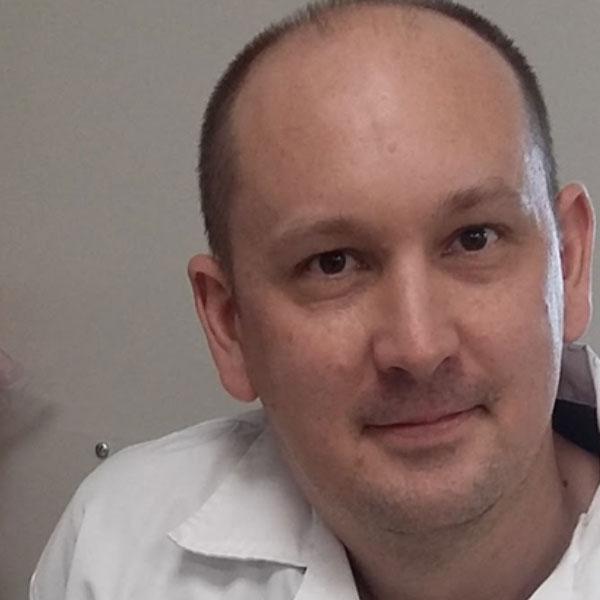
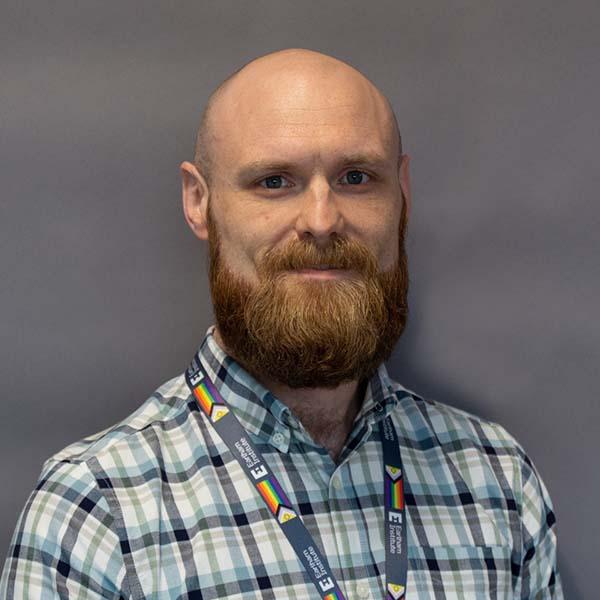
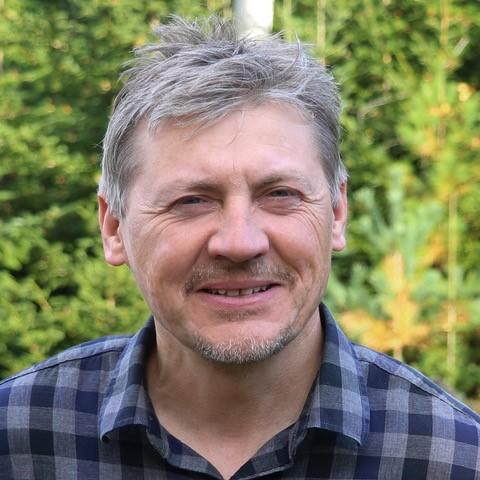
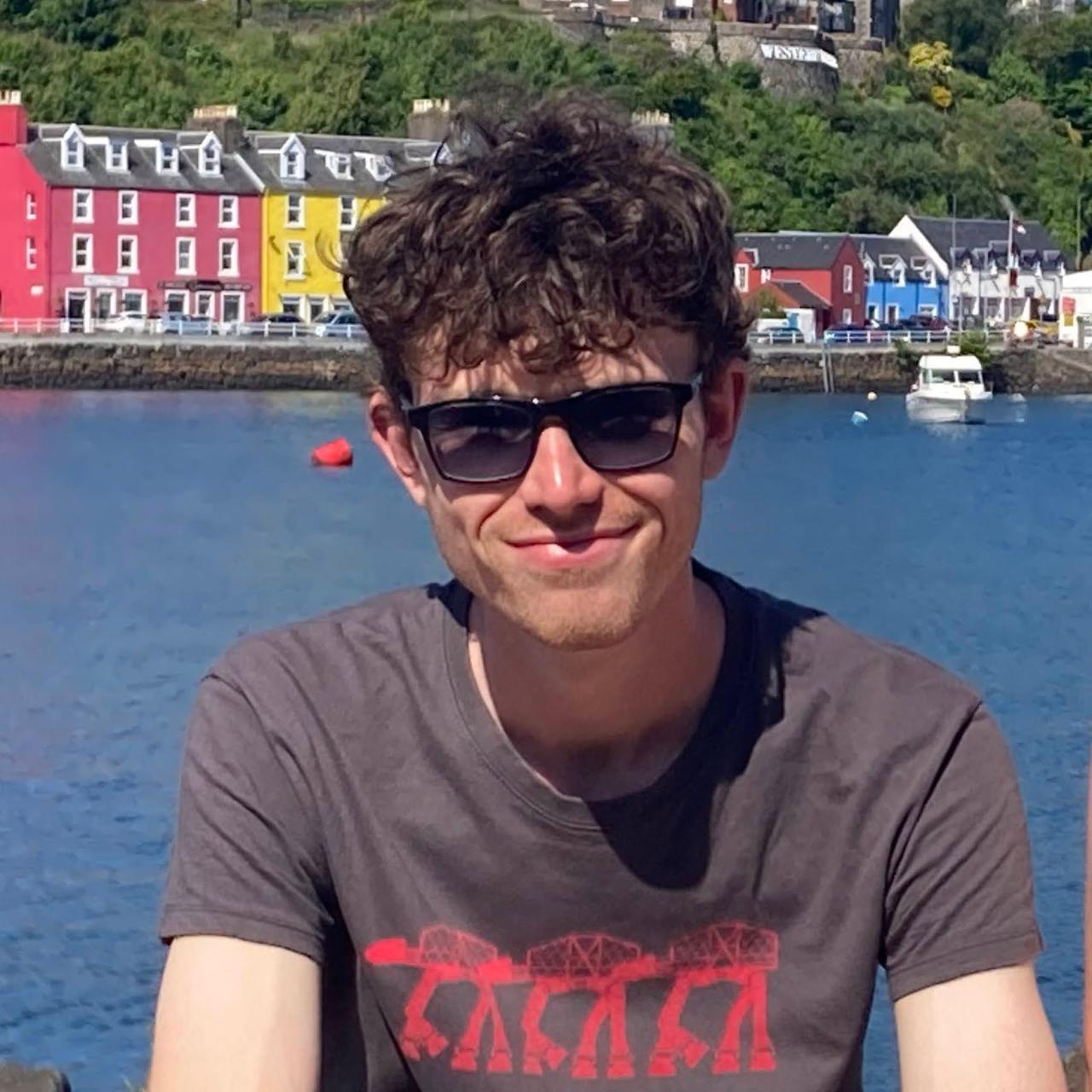
Profile of Sam Speak

Biography

Personal pronouns: He/him

Contact details:

  • +44 (0) 1603 450 778 

sam.speak@earlham.ac.uk

ORCiD

I am a Postdoctoral Research Scientist in the Haerty Group, working on the Tilapia Genomic Resources project. As part of this project, I will be using bioinformatic and transcriptomic techniques including bulk and single-cell RNA-Seq. My work aims to identify loci associated with aquaculture relevant traits related to environmental stress, including temperature, salinity and pathogen resistance within Tilapia species.

Prior to this position, I was a NERC ARIES DTP PhD student at the University of East Anglia, the Natural History Museum London and Chester Zoo working on the conservation genomics of endangered bird species in zoos. 

This project focused on quantifying the genetic load of individuals in captive breeding programs using CADD scores within the ultraconserved elements of the genome. These methods were applied to species that had been through intense population bottlenecks including the pink pigeon (Nesoenas mayeri) and the whooping crane (Grus americana). These approaches were designed to inform optimal mate pairings for captive breeding and reintroduction programs, to avoid inbreeding depression.

In 2019 I completed my BSc Hons in Biological Sciences at the UEA and in 2020 my MScR where I applied bioinformatic analyses to detect signature of genetic drift and adaptive evolution in diatoms at the UEA.

Pan-European project generates genomes showcasing continent's rich biodiversity

16 September 2024

The European Reference Genome Atlas (ERGA) has today announced the success of its Pilot Project, bringing together collaborators from 33 European countries to produce high-quality reference genomes for 98 species.

Notes to editors.