Research

Gemy George Kaithakottil

Senior Bioinformatician / Developer
Image
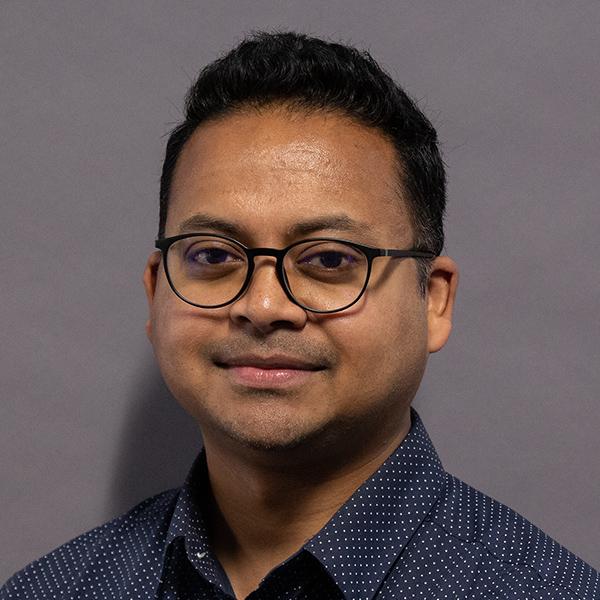
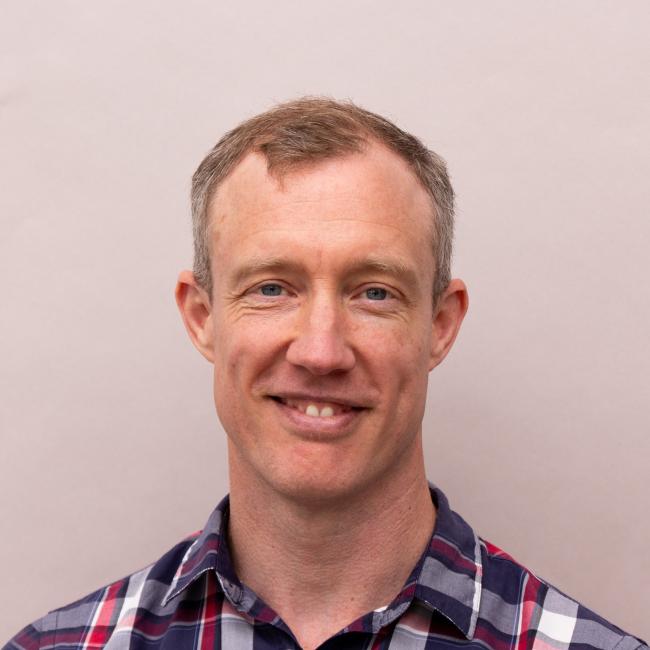
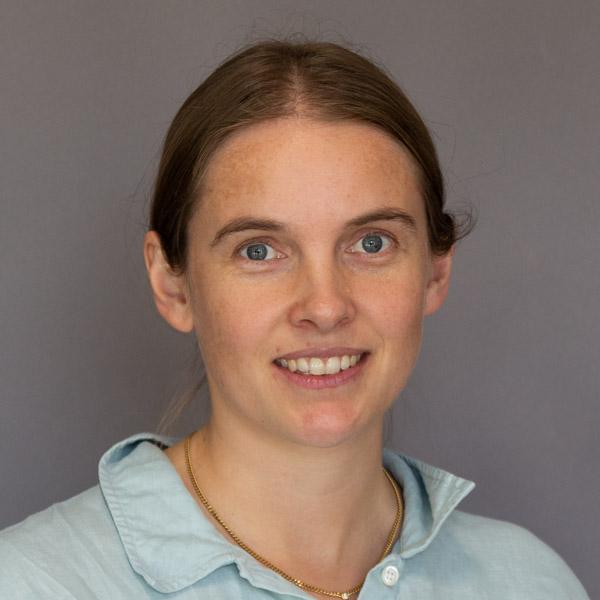
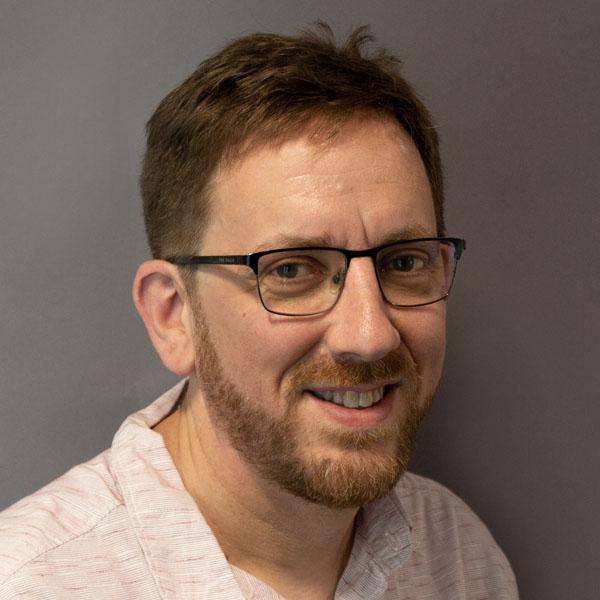
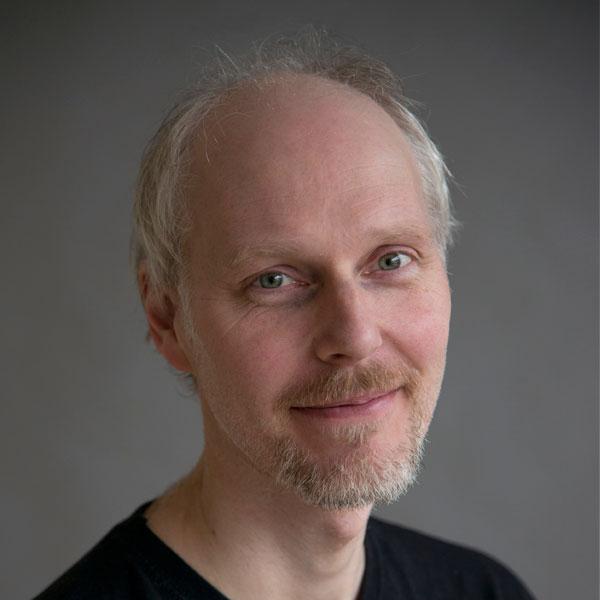
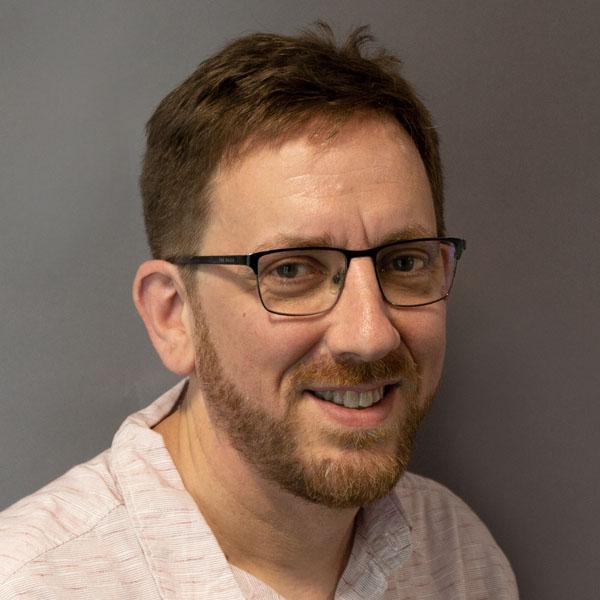
Profile photo of Gemy kaithakottil

Biography

Contact details:

  • +44 (0) 1603 450 093

gemy.kaithakottil@earlham.ac.uk

@gemygk

ORCiD

I work as a Senior Bioinformatician / Developer within the Swarbreck Group. Since joining the Earlham Institute in February 2012, my work mainly focuses on genome annotation of plants, insects and fungal species and in analysis of software for transcriptome analysis and creation of annotation pipelines. So far I have completed genome annotation of Green Peach Aphid (Myzus Persicae), Willow (Salix viminalis), Ash (Hymenoscyphus pseudoalbidus) fungus, Ash (Fraxinus excelsior) Tree and currently involved in genome annotation of the Wheat. My work also involves in assessing strand-specific RNA-Seq protocols, varying size-fraction RNA-Seq analysis and PacBio Iso-Seq analysis at TGAC. I also maintain Web Apollo browser (http://apollo.tgac.ac.uk/) at EI to help researchers and collaborators visualize the data generated at EI.

I gained my MSc in Bioinformatics from University Of Leicester and Bachelors in Technology in Bioinformatics from Bharath University. Prior to my Masters, I worked as a Patent Analyst at Thomson Reuters, Healthcare and Scientific Group with responsibility for the annotation of genes and protein sequences. 


Operations

Sasha Stanbridge

Brand and Campaigns Manager
Image
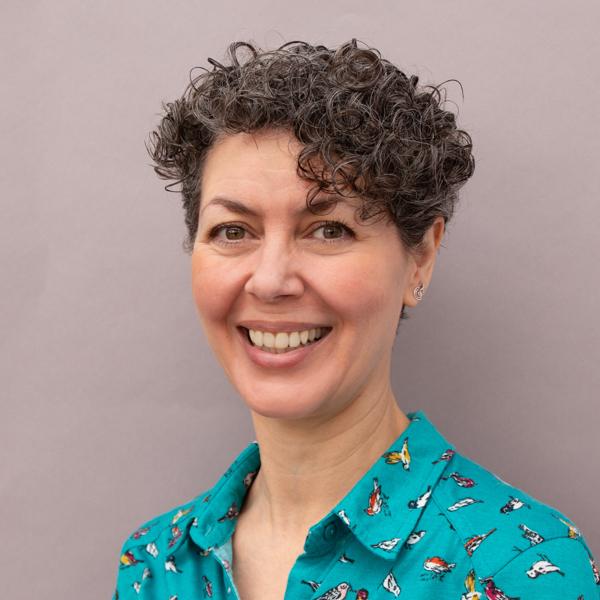
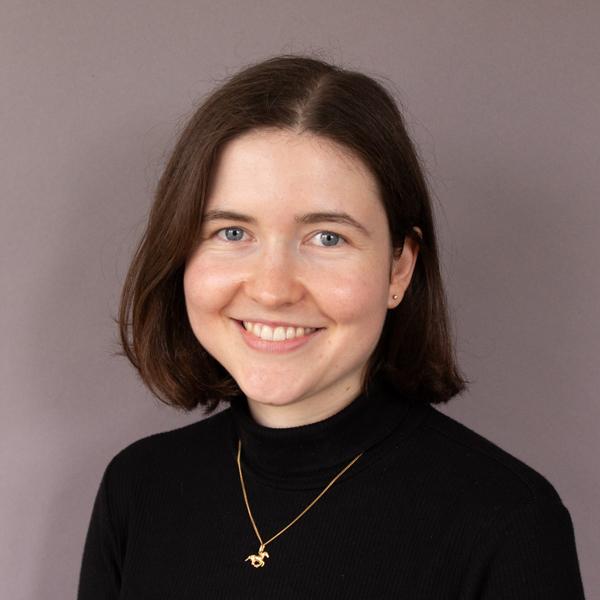
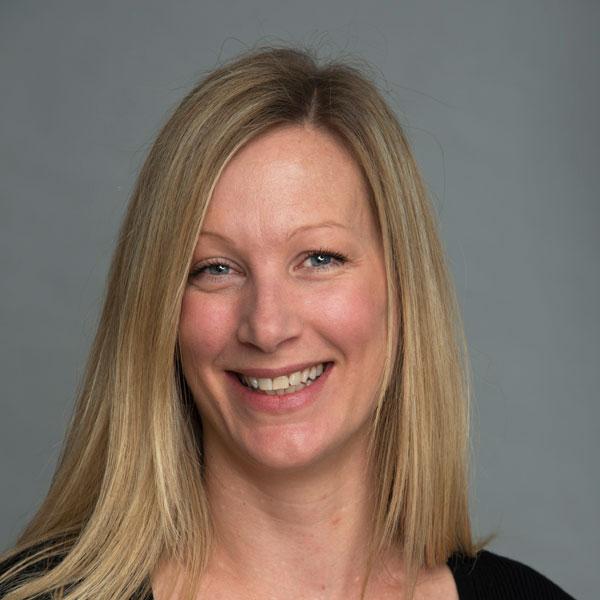
Profile of Sasha Stanbridge

Biography

Contact details:

  • +44 (0) 1603 450 513

sasha.stanbridge@earlham.ac.uk

I have been at the Earlham Institute since 2010 and work in the communications group delivering effective and exciting media to promote the institute and its scientists. My role is focused on design, videography, photography and animation. 

I have a diverse career history mainly spent in the theatre/media industry working as a wig and make-up artist managing large projects such as the Millennium Dome press launch and Harrods Christmas parades.

Research group

Hall Group

Decoding evolution in microbes

Group activities.

We study how microbes evolve and interact with hosts to understand how pathogens emerge and adapt.

We are using genome sequencing to study parasites such as Trichomonas and Trypanosoma (African sleeping sickness, leishmania and chagas disease) which cause important diseases in both humans and animals. We also apply these methods to plant pathogens using population genetics methods to understand how new crop pathogens emerge.

We use comparative and functional genomics to identify the genes that are involved in interaction with the host. By studying strains and species that have defined phenotypic differences (such as differences in virulence or host specificity) we can use direct genome analysis to identify their genetic basis and study the rate at which genes are evolving.

We are also developing methods to sequence individual cells from environmental samples to better understand how different species evolved and how they interact with each other.


Image
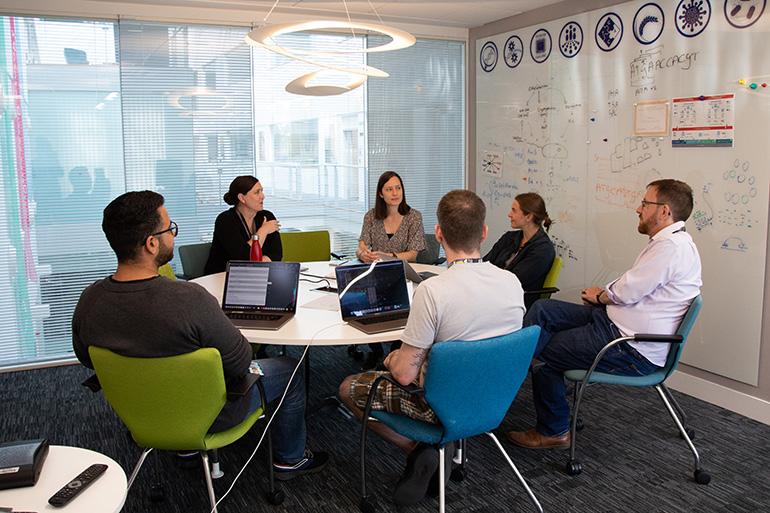
Colleagues from the Neil Hall Group sitting around a meeting table as part of their weekly group meeting.


Research

Neil Hall

Director
Image
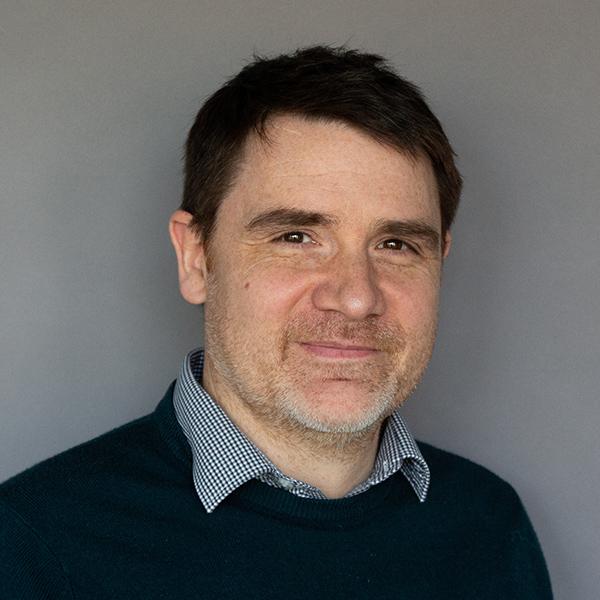
Neil Hall, Profile Picture

Biography

Contact details:

  • +44 (0) 1603 450 919

neil.hall@earlham.ac.uk

ORCiD

Prof Neil Hall is the Director of the Earlham Institute and Co-Lead of ELIXIR-UK.

Research interests

Neil's research at the Earlham Institute focuses on comparative and evolutionary genomics in pathogens, studying how microbes evolve and interact with hosts to better understand pathogen emergence and adaptation.

His research group currently focuses on:

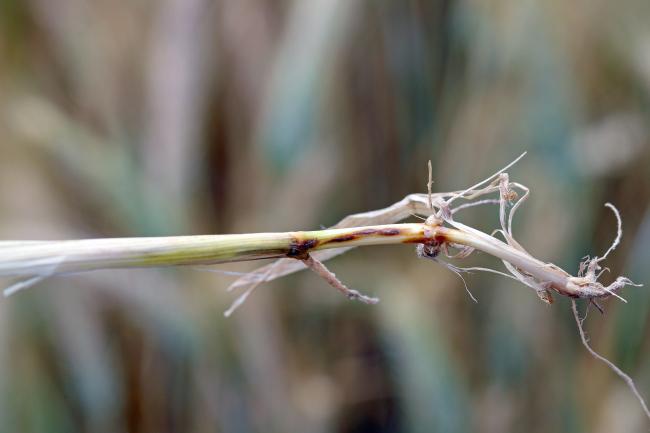
  • fungal pathogens such as Gaeumannomyces tritici, which causes the devastating wheat root disease Take-All
  • using crop and wild crop relatives to understand host-pathogens reservoirs
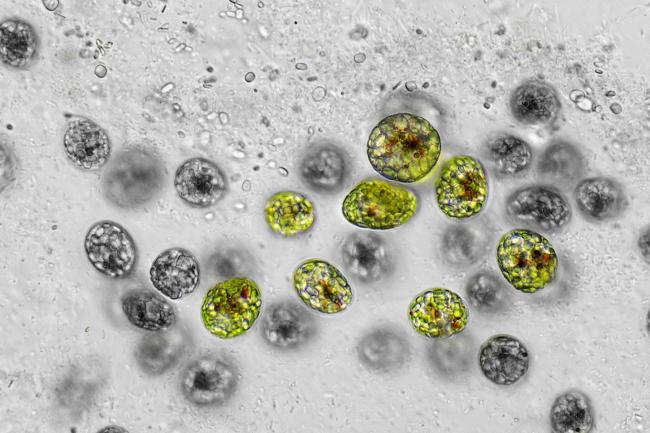
  • eukaryotic microbial diversity in soil and water ecosystems

As Co-Head of Node of ELIXIR-UK - the national Node of the European infrastructure for bioscience data - he is passionate about FAIR data and open science, advocating for greater standards and data sharing to realise the full potential of AI and data-intensive biology.

Background

Prof Hall has worked in the field of genomics and data science for over 20 years. His previous roles include leading The Centre for Genomic Research at the University of Liverpool, and research groups at the Wellcome Sanger Institute and The Institute for Genomic Research (TIGR) in the United States.

His previous research focused on the virulence and health implications of parasitic protists including Plasmodium falciparum, Trypanosoma brucei, and Trypanosomiasis which causes the African Sleeping Sickness.

While at the University of Liverpool, Prof Hall led research efforts to decode the genetic code of wheat to help crop breeders increase yield and produce varieties that are better suited to a changing environment.

Prof Hall holds a PhD in Genetics, and is a Fellow of the Royal Society of Biology (FRSB).

Research

Wilfried Haerty

Group Leader
Image

Biography

Contact details:

  • +44 (0) 1603 450 974

wilfried.haerty@earlham.ac.uk

@WHaerty

ORCiD

As Group Leader of Evolutionary Genomics, my current research interests focus on characterising functional non-coding sequences and the evolutionary constraints acting on these elements across many species.

Another significant part of my research involves the identification and characterisation of the implication of variation on gene and transcript expression across scales from species, to populations, to individuals, and from tissues to single cell. I use comparative genomics approaches to quantify the action of selection acting on non-coding elements, with a strong focus on the patterns of sequence variation among populations.

Previous to the Earlham Institute, I joined the MRC FGU (Oxford), being involved in multiple genome projects (Coelacanth, painted turtle, cichlids) and studying the evolution of long non-coding RNAs in multiple eukaryotes. 

Before this, I started a postdoctoral position at McMaster University (Hamilton, Ontario) studying F1 hybrid sterility and the evolutionary patterns of rapidly diverging coding sequences. There, I transitioned from wet lab biology to computational biology expanding my interests in comparative genomics and the evolution of repeated sequences. 

I completed my PhD in population genetics and speciation in Drosophila from the University of Paris VI.

NBRI

Tom Barker

Senior Research Assistant
Image
Profile Placeholder Image

Biography

Contact details:

  • +44 (0) 1603 450 082 

tom.barker@earlham.ac.uk


Tom Joined the Earlham Institute in March 2011 and is trained in many library construction methods such as PacBio IsoSeq, RNA, DNA, ChIPseq, and 16S V4 amplicon library prep. 

He is most experienced at running the Illumina sequencing instruments but is also trained to run the Ion Proton and to use the Perkin Elmer liquid handling robots.

Tom graduated from the UEA in 2010 with a degree in Molecular Biology and Genetics.


Infrastructure

Simon Tyrrell

Research Software Engineer
Image

Biography

Contact details:

  • +44 (0) 1603 450 955

simon.tyrrell@earlham.ac.uk

ORCiD

My work at the Earlham Institute is focused upon Grassroots API, contributing to the BBSRC-funded cross-institute Delivering Sustainable Wheat programme

Grassroots is a distributed server-client infrastructure for sharing services, ranging from Blast searches, literature searches and custom map-based applications. and data with the aim of making links between them wherever possible, much like how a Google search can link between images, webpages and map locations. Using metadata for potentially disparate sets of scientific data, we can make connections between them allowing users to get access to as much information as possible.

Research

Martin Ayling

Scientific computing specialist
Image

Biography

Contact details:

  • +44 (0) 1603 450 138

martin.ayling@earlham.ac.uk

ORCiD


Martin is a support specialist coordinating with the research faculty to optimise use of the extensive high-performance computing resources at the Institute's disposal. 

Prior to this, Martin was a postdoctoral researcher at the Earlham Institute developing metaCortex, a sequence assembler focusing on identifying and reconstructing likely viral reads in metagenomic samples. Martin's background is in physics, with his career including work in wind energy, materials science and neuroscience, as well as scaffolding the wheat genome using a mixture of physical, genetic and genomic data sources.

NBRI

Leah Catchpole

Team Leader
Image

Biography

Contact details:

  • +44 (0) 1603 450 987

leah.catchpole@earlham.ac.uk

ORCiD

I am a Team Leader within the Technical Genomics Group, which underpins the Earlham Institute's high-performance sequencing platform and NBRI in Transformative Genomics, providing EI researchers and the wider UK bioscience community with access to cutting-edge expertise and the latest technology platforms.  

Prior to joining Earlham Institute in 2010, I worked at the John Innes Centre with Prof Caroline Dean investigating flowering time genes in Arabidopsis and Prof Ian Bancroft studying the genomes of various Brassica species. I was also part of the John Innes Genome Laboratory which later became TGAC and then Earlham Institute. I gained a BSc Hons (2:1) in Biological Sciences from the University of East Anglia, Norwich.  

I lead a team of Research Assistants who focus on the QC, preparation, and sequencing of a variety of sample types for all our sequencing platforms.  These include three Illumina platforms, the Revio from PacBio for long reads and more recently P2 Solo from Oxford Nanopore. I’ve spent a lot of time optimising and running the P2 Solo to help deliver work for our strategic programmes. I have many years of Molecular Biology experience, specialising in Next Generation Sequencing and Genomics.

I am a member of Earlham Institute's Green Impact team and EI’s Sustainability Champion. We are looking at ways to decrease our carbon footprint, making changes to the way we work to reduce the impact we have upon our environment.  I am also part of the EI coaching and mentoring pool. 

NBRI

James Lipscombe

Senior Research Assistant
Image
Profile photo of James Lipscombe

Biography

Contact details:

  • +44 (0) 1603 450 906
james.lipscombe@earlham.ac.uk

ORCiD


I am a Senior Research Assistant specialising in laboratory automation within the Technical Genomics Group

I joined the Earlham Institute at its inception in 2009 having previously provided a Sanger sequencing service at the John Innes Genome Lab. I have undertaken a variety of roles during my time at EI including pipeline sequencing operations and working within the Macaulay Group on single-cell genomics and transcriptomics where I provided technical assistance to researchers from the UK and beyond on a variety of fascinating research projects.

I have been involved in the development and operation of a high-throughput pipelines such as our LITE platform which we applied to the genomic screening of Salmonella samples from the developing world, and a BAC sequencing project contributing to the reference genomes of important crops such as bread Wheat, Barley and Lolium.

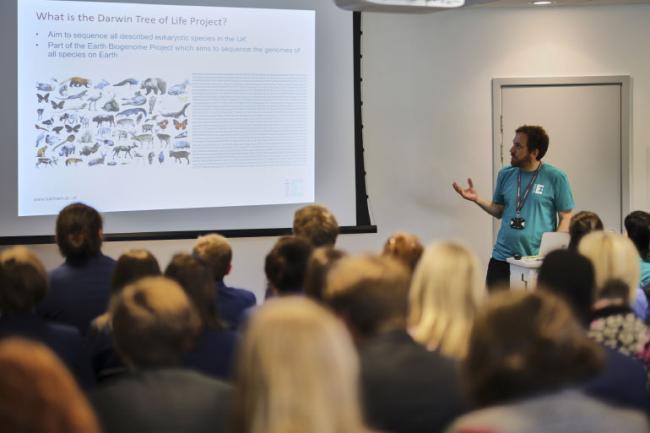
Drawing on my previous work in single-cell genomics and automation, in 2020 I was seconded into the Darwin Tree of Life project where I worked with the EI team and collaborators at the University of Oxford to establish a process for sequencing the genomes and transcriptomes of individual protists. One of the outcomes of this was the discovery of a Ciliate with a novel genetic code.

My current role includes programming liquid handling robots for a variety of molecular biology tasks, testing, validating and documenting automated protocols, instrument operation, support, troubleshooting and training. I engage with industry partners to stay informed and share ideas about new technologies that may be of interest to the institute as well as developing new automated protocols in mutually beneficial collaborations.

I take part in various public engagement activities, including the annual Norwich Science Festival and the Royal Norfolk Show, where we showcase the institute's science to a young audience and try to inspire them.

I am a member of Earlham Institute's Green Impact team which focuses on making small changes to the way we think and work to reduce the impact we have upon our environment whilst we go about our research.

My personal interests include music, football, kayaking, reading, human and natural history.