Event

Discover Earlham Institute at New Scientist Live 2016

New Scientist Live is a festival of ideas and discovery, taking place at ExCeL London. Rooted in the biggest, best and most provocative science, New Scientist Live will touch on all areas of human life.

Start date: 22 September 2016
End date: 25 September 2016
Time: 08h00 - 16h00
Venue: ExCeL, London
Registration deadline: 22 September 2016
Cost: £25.00 - £29.00

About the event

New Scientist Live is a festival of ideas and discovery, taking place at ExCeL London. Rooted in the biggest, best and most provocative science, New Scientist Live will touch on all areas of human life. The show will feature four immersive zones covering Brain & Body, Technology, Earth and Cosmos. For four days this September, New Scientist Live will be like no other place on earth.

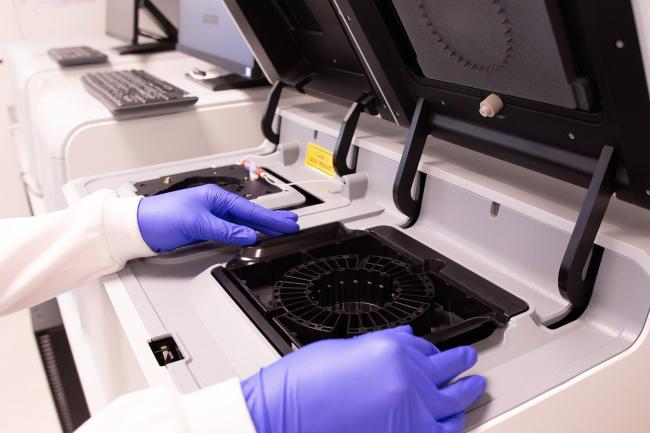
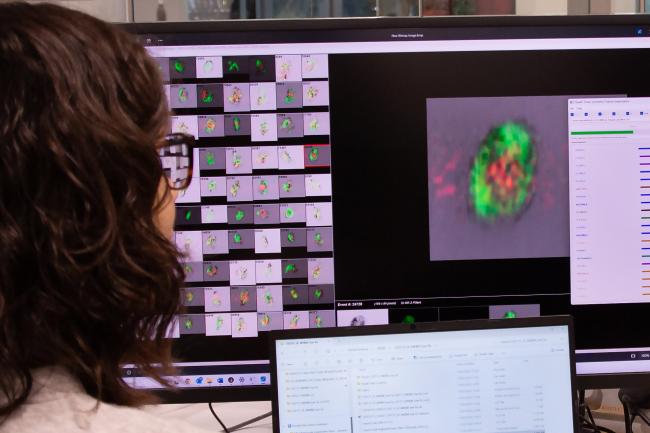
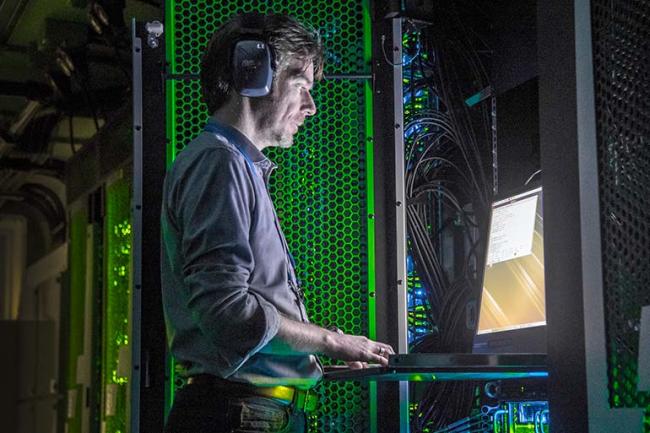
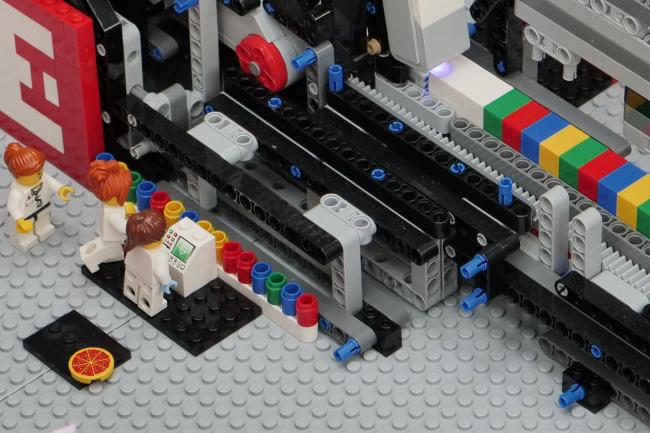
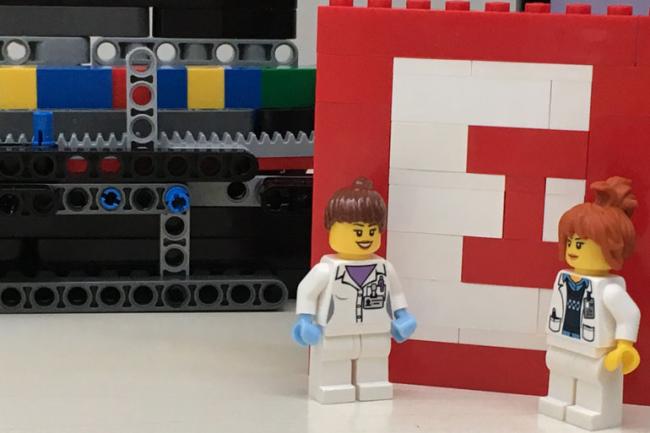
Earlham Institute will be present in the technology section, showcasing what goes on behind the scenes in delivering the latest advances in bioscience - from massive supercomputing power to next-generation genome sequencing hardware.

Register today.

Registration deadline: 22 September 2016

Event Science

Seminar: Adaptive Evolution by Selection on Genome Structural Variation

A decade after DNA sequencing technologies are unleashed for studying genomes of natural populations, new knowledge emerges on how environmental conditions influence genome structures.

Start date: 28 September 2016
End date: 28 September 2016
Time: 09h08 - 11h00
Venue: Earlham Institute
Cost: Free of charge

About the event

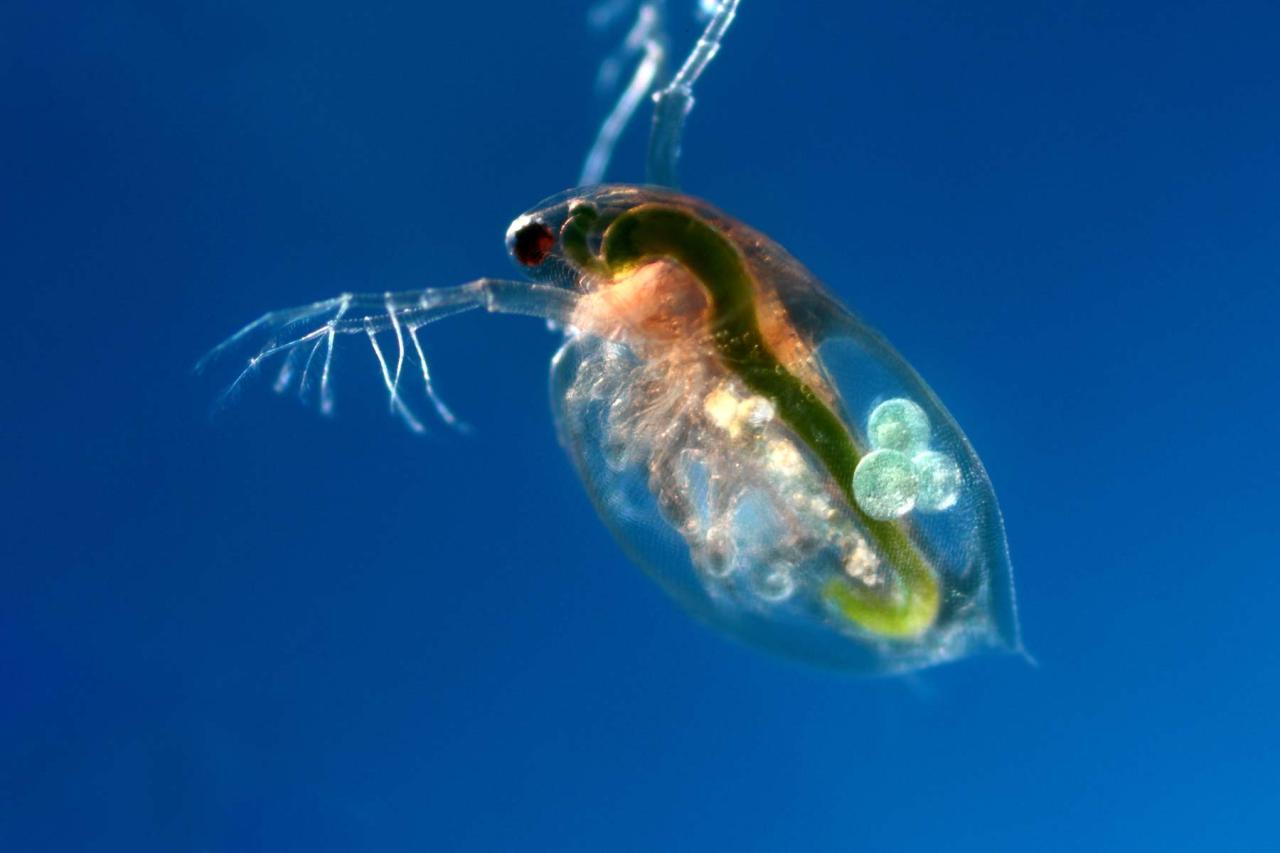
A decade after DNA sequencing technologies are unleashed for studying genomes of natural populations, new knowledge emerges on how environmental conditions influence genome structures and gene functions and, in turn, how individuals and populations cope with changing environments – including the exposure to pollutants. Ecological and evolutionary genomics is a rapidly growing interdisciplinary field of research that begins to address the complexity of genome-environment interactions that has otherwise eluded other (biomedical related) disciplines. These insights emerge from the study of genomic model species that have well known ecologies, and from their populations that are adapted to local environments. Recent findings using the model species Daphnia point to the importance of gene copy number variation for the adaptive potential of populations to tolerate stressful environmental conditions, including toxic levels of heavy metal from industrial activities. Such findings have the potential to also signal environmental health concerns. 

This work benefits from, and contributes to the Daphnia Genomics Consortium.

Register today.

Event Industry

Miscanthus: a fast-growing crop for biofuels and chemicals production

Understanding Miscanthus and its potential as a sustainable biofuel.

Start date: 13 September 2016
End date: 13 September 2016
Time: 12h00 - 16h30
Venue: Earlham Institute
Enquiries:

kec@earlham.ac.uk

Registration deadline: 13 September 2016
Cost: Free of charge

About the event

Earlham Institute, in partnership with Anglian Agri-tech Ventures, invites you to join us for an afternoon of talks focussed on understanding Miscanthus and its potential as a sustainable biofuel, taking place on Tuesday 13th September, 1pm, in the Darwin room, Earlham Institute.

Places are limited so please email stuart.catchpole@earlham.ac.uk to register your attendance.

Speakers include:

1. Dr Robert Hill, University of Lincoln, New Zealand

13:00 - 13:35: Trichoderma: Molecular Biology to Miscanthus biofuels

2. Dr Jose De Vega, Earlham Institute

14:00 - 14:45: Key molecular components associated to differential phenotypes in Miscanthus

3. Prof Keith Waldron, Biorefinery, IFR

15:30 - 16:00: Conversion of Lignocellulose to biofuels and chemicals

4. General discussions and conclusion remarks to 16:30

Miscanthus, a fast-growing crop for biofuels and chemicals production

Talk abstracts.

1) Trichoderma: Molecular Biology to Miscanthus Biofuels - Dr Robert Hill, Mr Robert Lawry and Mr Mark Walker. University of Lincoln, New Zealand

Trichoderma is a genus of ascomycete soil fungi which are often closely associated with plants. These interactions range from pathogenic to growth-promoting and disease suppressing. Numerous molecular mechanisms involved in mediating the relationship between Trichoderma spp. and plants have been discovered, ranging from alternative splicing, manipulation of host defences, lytic enzyme production, novel signalling pathways and competitive inhibition of other microbes in the soil ecosystem. These discoveries are being used to enhance existing applications of Trichoderma spp. in diverse fields such as biotechnology, forest health and then in its interaction with agricultural plants. Using modern molecular biological methods, genomic and systems biology methods, we aim to enhance the potential of Trichoderma and Miscanthus for production of biofuel ethanol. 

2) Key molecular components associated to differential phenotypes in Miscanthus – Dr Jose De Vega, Earlham Institute

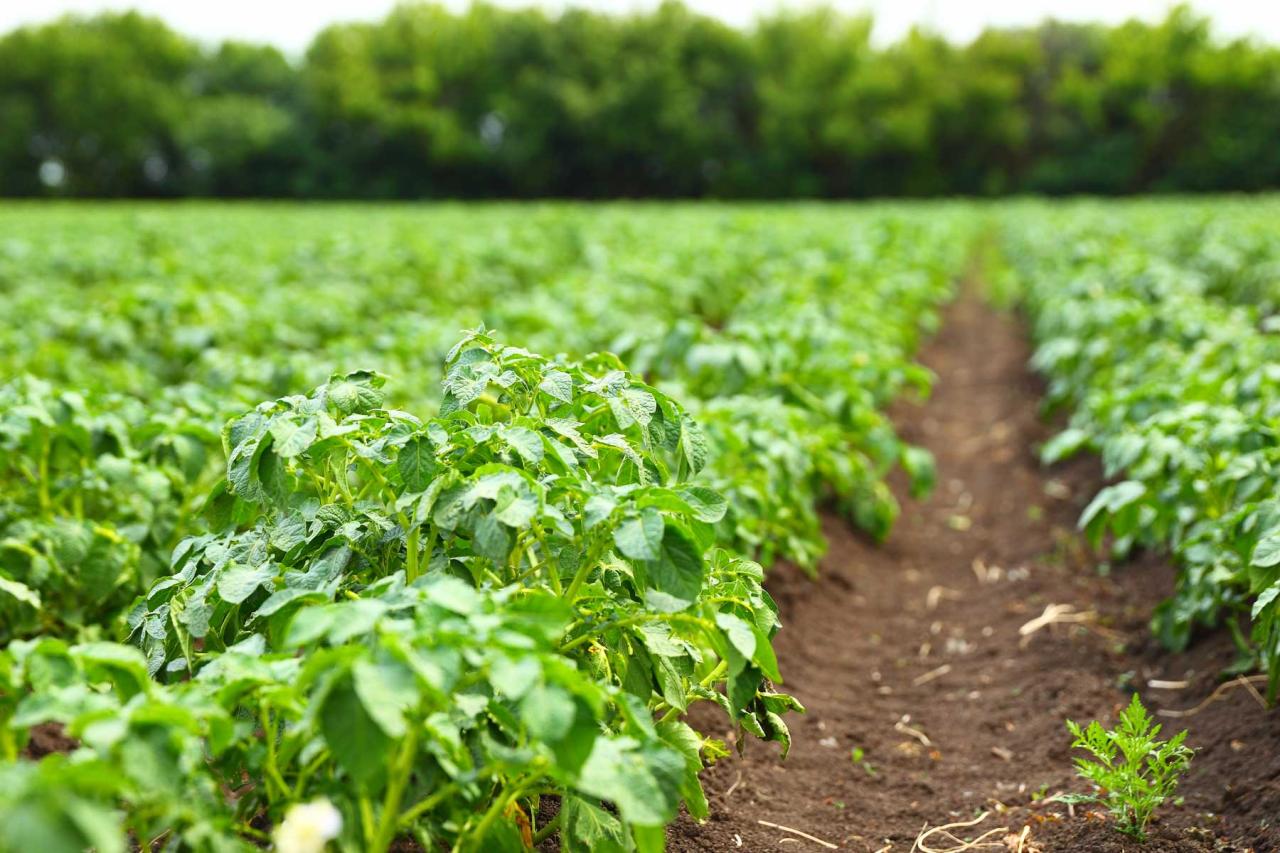
Miscanthus are C4 grasses with remarkable features as bioenergy crops. Miscanthus are harvested for the structural cell-wall polysaccharides. Currently, they are mainly used for combustion but there is an increasing interest in using Miscanthus as a sustainable source of bioethanol. We have assembled a reference genome and performed a transcriptomic analysis to identify the key regulators behind distinctive carbohydrate profiles and plant architectures observed in Miscanthus hybrids from a cross between M. sinensis and M. sacchariflorus. 

We identified a complex network of differentially expressed loci involved in starch metabolism and carbohydrate biosynthesis, and specifically up-regulated in the stem of Miscanthus hybrids that showed higher concentration of several non-structural carbohydrates but lower yielding, sucrose:starch ratio, and number of tillers. Equivalent differences in expression could not be observed in other tissues or between the parents, even when they also have distinctive architectures. In addition, this -omic data allowed us to characterise the fundamental functions predominant in different tissues and genotypes, as well as the recent evolution of the Miscanthus genome. 

The molecular components that explain complex agronomic traits are difficult to define and largely unknown in crops. We noticed that intermediate phenotypes, such as metabolic profiles and yielding measurements, offer an affordable alternative. In a similar way as we did, new genomes of heterozygous and complex plants that were previously inaccessible can be assembled and explored by comparative genomics, used to asset the diversity of natural and synthetic populations, and identify the causal loci of complex agronomic traits.

3) Conversion of Lignocellulose to biofuels and chemicals - Prof Keith Waldron, Biorefinery, IFR

Global intensification of agriculture and food production has resulted in the creation of large quantities of co-products and wastes at all stages of the agri-food chain. Much of these co-products could potentially be converted to energy, fuels and chemicals. 

The Biorefinery Centre focuses on the total exploitation of plant-based waste streams in order to maximise economic benefit and reduce environmental impact. In addition to considering high value outputs, special consideration is given to the development of bio-refining approaches for the valorisation of the low-value bulk lignocellulosic residues, particularly for the production of biofuels and renewable chemicals. Much of this research involves close collaboration with the UK National Collection of Yeast Cultures and the development of rapid screening methodologies. A key aim is to develop yeasts to convert low cost sugars from biomass to platform chemicals. This requires consideration of biomass heterogeneity, processing conditions and yeast biodiversity.


Register today.

Registration deadline: 13 September 2016

Participation: First come, first served

Event Scientific training

de novo Assembly 2017

The course will provide a hands-on introduction to de novo assembly, followed by in-depth analysis of the key stages in the process.

Start date: 14 March 2017
End date: 17 March 2017
Time: 09h30 - 16h00
Venue: Earlham Institute
Organiser: Emily Angiolini
Registration deadline: 10 March 2017
Cost: £200.00

About the event

What's the course about?

The course will provide an introduction to de novo assembly, with a hands on introduction followed by in-depth analysis of the key steps in the process. It covers several aspects such as the initial setup of a de novo genome sequencing project, quality control and preprocessing of datasets, generation and evaluation of first pass assemblies, assembly improvement and finishing. Practical exercises will be performed on small-scale real datasets, including Illumina and Pacbio sequences, including best practices and tips based on EI's faculty experience.

The course will consist of a mixture of conceptual lectures, methodological lectures and hands on sessions, as well as group activities and discussions. The participants will gain first-hand experience and understanding on NGS assembly, working with the assistance of the faculty, troubleshooting small problems, and reviewing the results.

What will I learn?

Understand the strategic setup of a de novo genome sequencing project, combining different types of data in a coherent approach

Acquire means to define goals for an assembly project and monitor its progress

Learn to effectively assess the sequencing data sets' quality

Understand assembly tools' parameters and their effects, being able to progress from a first-pass to a draft sequence release version.

Register today.

Registration deadline: 10 March 2017

Participation: Open application with selection process

Research

Metagenomic assembly algorithms

Developing tools for assembly of metagenomic sequence data.

Project Summary.

Funder: BBSRC

Grant: BB/M004805/1


The analysis of data from next generation sequencing of metagenomic samples has emerged as an important tool in recent years. In the past, much of this analysis has involved targeted 16S ribosomal sequencing followed by taxonomic classification. However, the increase in throughput and reduction in cost of NGS, combined with the lack of resolution provided by 16S approaches, has encouraged the adoption of whole genome shotgun approaches.

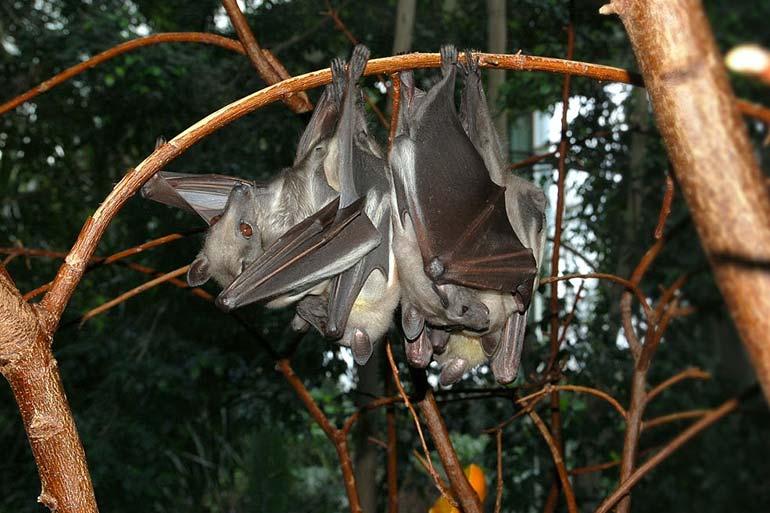
While read mapping is still a useful tool for analysing this data, greater insights are possible from assembly of reads. However, metagenomic assembly is still a relatively immature field with a handful of assemblers having emerged over the last few years. One of these is our own MetaCortex, a proof-of-concept assembly tool that has shown promising results when applied to the analysis of the virome of a species of bats from West Africa (Baker et al. 2013, Virology). The purpose of this project is to develop the algorithms necessary to turn the proof-of-concept into an efficient and sensitive assembly tool that will benefit the metagenomics community.

Straw-coloured fruit bat

Credit: By Fritz Geller-Grimm - Own work, CC BY-SA 2.5

Image

Impact statement.

Techniques for assembly of metagenomic sequence data are in their infancy. As presented in the BBSRC's Review of Next Generation Sequencing, provision of assembly software for metagenomics is "highly deficient". An important academic impact of this work will be to drive forward methods for metagenomic assembly by increasing understanding of the problems, by developing new algorithmic approaches and by encouraging best practice techniques for analysis. The BBSRC's expert working group on metagenomics identified that the UK had failed to take full advantage of metagenomic techniques and this project will contribute to addressing this shortfall by helping to support the establishment of a research group focused on metagenomic tools and by increasing the knowledge and expertise of UK researchers.

People working on the project.

Event Science

Seminar: How do genomes diverge during adaptive radiations?

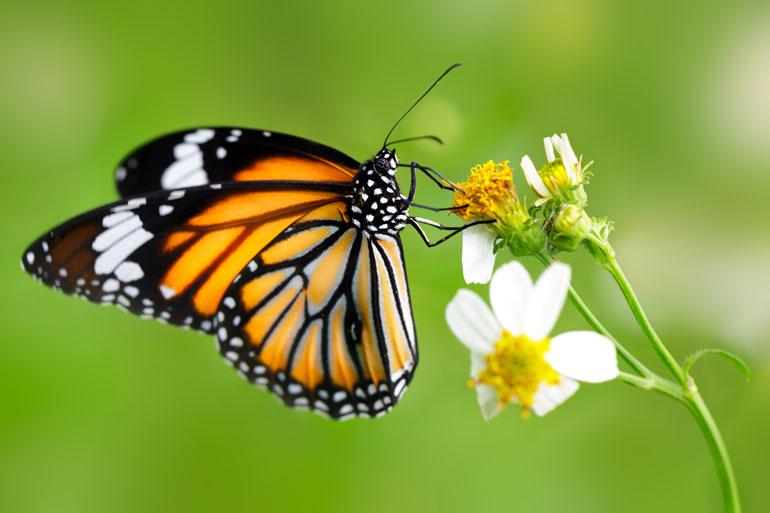
We are increasingly able to study evolutionary processes such as adaptation and speciation on a genomic scale. I will outline our work to assemble chromosomal-level assemblies of butterfly genomes using high resolution linkage maps.

Start date: 29 June 2016
End date: 29 June 2016
Time: 09h00 - 11h00
Venue: Earlham Institute
Cost: Free

About the event

Speaker: Professor Chris Jiggins, Evolutionary Biology at the Department of Zoology, University of Cambridge

Abstract:

We are increasingly able to study evolutionary processes such as adaptation and speciation on a genomic scale. I will outline our work to assemble chromosomal-level assemblies of butterfly genomes using high resolution linkage maps. These have been used to study patterns of divergence between closely related species. One of the most pervasive patterns is the extent to which distinct species show a signature of admixture due to hybridisation, which can influence up to 40% of the genome. This hybridisation can also occasionally contribute adaptive variants, and our work has demonstrated the importance of introgression in the origins of complex wing patterns. Genome sequence data from hundreds of individuals across two major radiations has identified narrow regions associated with distinct colour pattern elements.

We hypothesise that these modules in non-coding sequence represent distinct cis-regulatory loci that control expression of just three-four key genes, including the transcription factor optix and the morphogen WntA, which in turn control pattern variation across Heliconius. Phylogenetic analysis of these elements demonstrated that they have distinct evolutionary histories and that novel adaptive morphological variation was created by shuffling these cis-regulatory modules through recombination between divergent lineages. In addition, recombination of modules into different combinations within species further contributes to diversity.
Analysis of the timing of diversification supports the hypothesis of introgression moving regulatory modules between species, rather than shared ancestral variation, as divergence can be much younger at wing pattern loci relative to species divergence. I therefore argue that shuffling of existing enhancer elements both within and between species provides a mechanism for rapid diversification and generation of novel morphological combinations during adaptive radiation.

Register today.
Participation: Closed

Research

Daniel Brewer

Professor in Medical Bioinformatics and Genomics at Norwich Medical School and Visiting Worker at the Earlham Institute
Image

Biography

Contact details:

  • +44 (0) 1603 593 761 (UEA)
  • +44 (0) 1603 450 973 (EI)

I am a group leader within the Cancer Genetics Team at Norwich Medical School, with over a decade of experience in applying and developing novel analyses of large-scale ‘omics datasets from human tumour samples to answer clinically relevant questions in translational cancer research. My focus is improving clinical outcomes in prostate cancer.
After completing my first degree in Physics (MSci) at Imperial College London, I went on to study for an MRes in Biological Complexity and PhD in Computational Biology at University College London. My PhD focused on mathematical modelling of the p53 gene regulatory network and in particular integrating models and experiment data. I was employed as a Bioinformatics Officer at the Institute of Cancer Research (ICR) in Sutton for over six years before moving to the University of East Anglia to lead the bioinformatics team within the Cancer Genetics Group in September 2013. In June 2016 I became a senior lecturer and in 2021 I was promoted to Professor of Medical Bioinformatics and Genomics.
 

Event Industry

Seeing the future - a demo of light speed optical sequence alignment and panel discussion

In this interactive seminar, Earlham Institute researchers joined Optalysys engineers to introduce and demonstrate a disruptive new technology

Start date: 05 November 2015
End date: 05 November 2015
Time: 14h00 - 15h00
Venue: Earlham Institute
Enquiries:

stuart.catchpole@earlham.ac.uk

Registration deadline: 20 October 2015
Cost: Free

About the event

In this interactive seminar, Earlham Institute researchers will join Optalysys engineers to introduce and demonstrate a disruptive new technology - novel optical computing platform that can perform a wide range of pattern matching tasks using lenses, filters and lasers.

At project end in 2016, this device will be compact, powered from a standard mains supply and capable of connection to either a desktop system or a large HPC resource. Such a device has the potential to reduce energy costs by 90% over current HPC-based approaches, but additionally to make large-scale alignment-based analysis a possibility for users without an HPC system.

Credit: Shutterstock/ yienkeat

Image

Register today.
Registration deadline: 20 October 2015

Event Industry

Everyone needs a bigger network

Professional networking scares some people and can sometimes seem pointless or irrelevant. This workshop will address why this may be the case for scientists.

Start date: 09 June 2016
End date: 09 June 2016
Time: 14h00 - 19h00
Venue: Earlham Institute
Enquiries:

katia.brumpton@earlham.ac.uk

Registration deadline: 08 June 2016
Cost: Free

About the event

Professional networking scares some people and can sometimes seem pointless or irrelevant. This workshop will address why this may be the case for scientists and will demonstrate the importance of developing interpersonal skills to advance your projects and career.

It will cover:

  • Developing a positive mind-set
  • How to build strong relationships quickly
  • Using social media to manage face to face interactions
  • Setting a strategy for achieving results

You'll take away:

  • Techniques for building your confidence and finding your voice outside the scientific community
  • Tips on etiquette and behaviour for both online and face to face networking
  • Knowledge of how to create opportunities and make the most of new contacts

Good to know:

  • Delivered by Lucy Marks, Managing Director of Norfolk Network
  • Featuring invited speakers: Mike Bevan (JIC), Sam Rowe (UEA) and Sarah Clements (IFR)
  • Then make new connections and mingle with colleagues from Norwich Research Park
  • Followed by pizzas, drinks and pub games

Register today.

Registration deadline: 08 June 2016

Event

I'm a Scientist, Get Me out of here

I'm a Scientist Get me out of here is an online event that enables school students to have informal chats with scientists in an online environment.

Start date: 16 June 2014
End date: 27 June 2014
Time: 08h30 - 16h00
Enquiries:

jamie.edwards@earlham.ac.uk

About the event

I'm a Scientist Get me out of here is an online event that enables school students to have informal chats with scientists in an online environment. It is an X factor style competition where the students vote for their favourite scientist.

Earlham Institute took part in the Bioinformatics zone and Genomics zone as part of the Big Data season with different zones, all exploring how the web, data sharing and mass collaboration are used in real science today. A range of scientists from EI working in different fields were contesting.

Image

Register today.