Research group

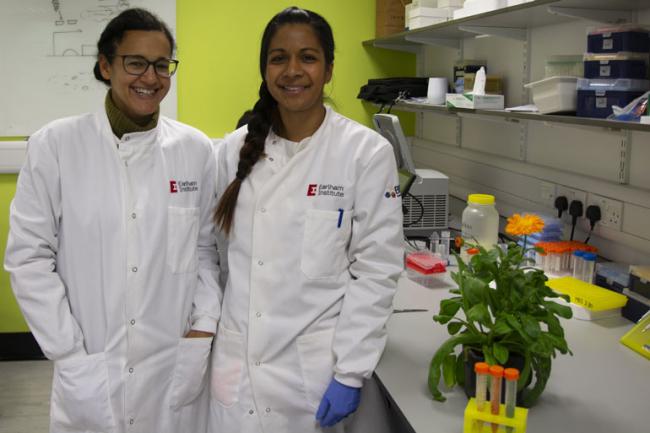
Anthony Hall Group

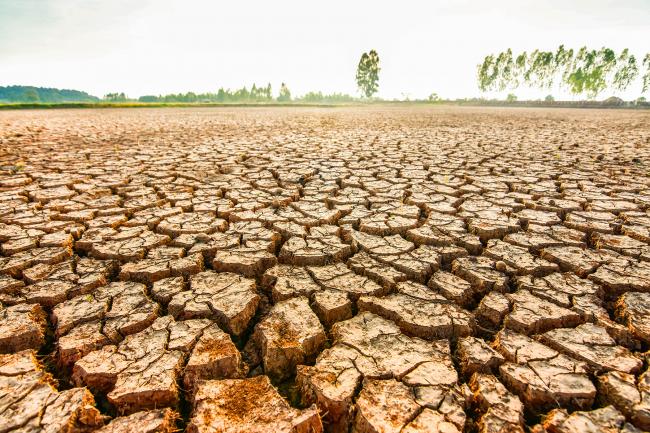
Increasing crop resilience to climate change

Group activities.

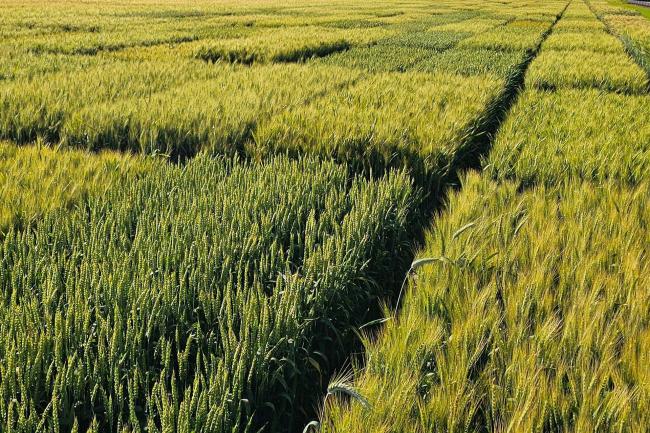
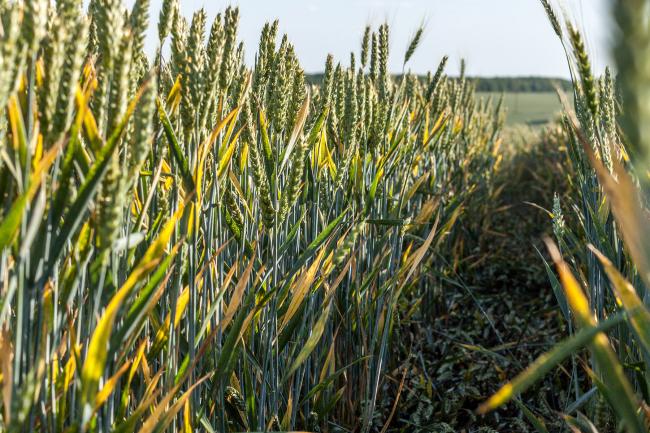
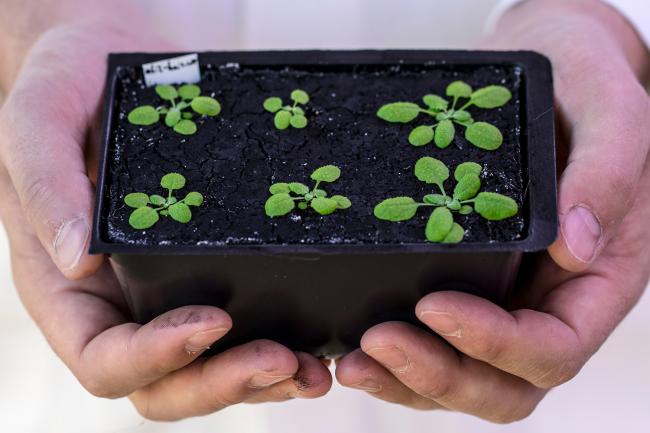
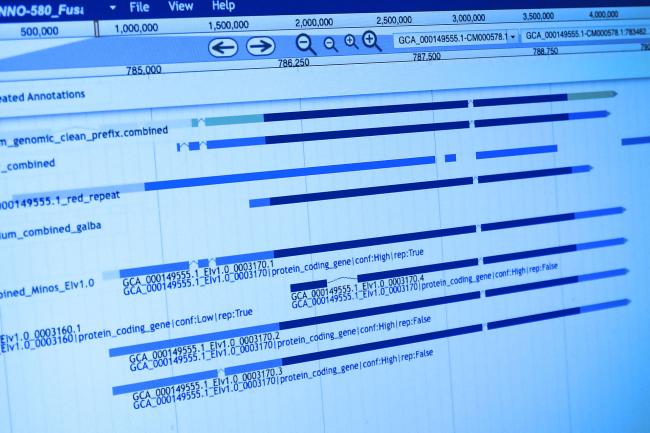
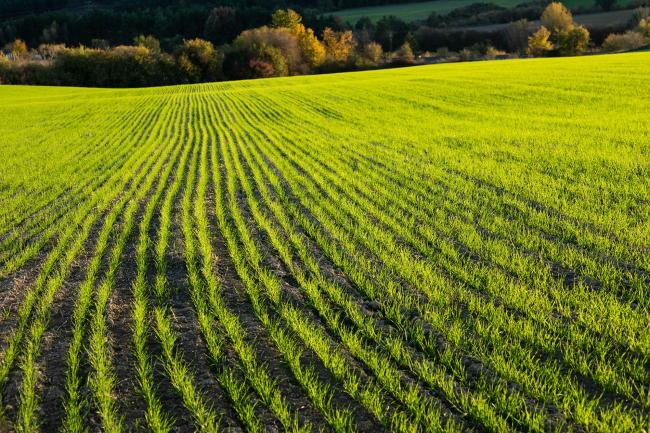
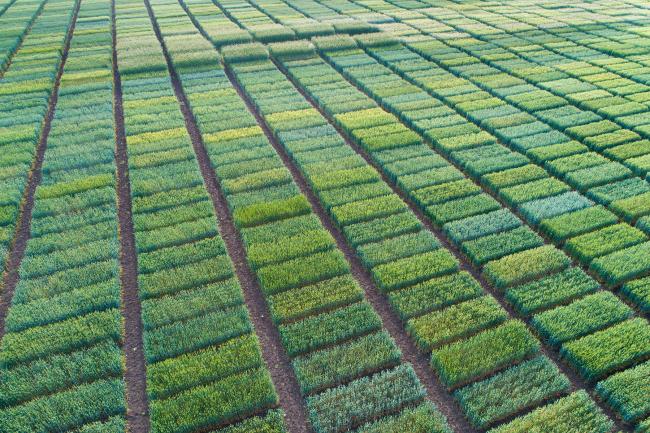
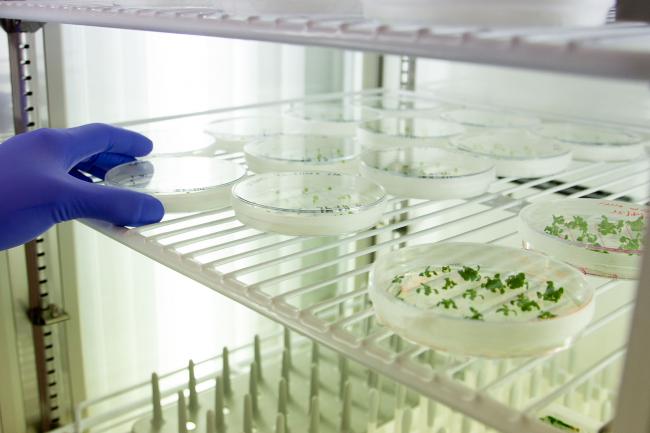
We strive to develop next-generation computational approaches to bridge the gap between model (Arabidopsis) and crop species (primarily wheat) with the aim of understanding the genes/networks and genetic variance that underpin key agricultural traits.

To meet this goal we currently have a number of projects investigating the genes and networks underpinning yield robustness under drought and heat stress (India and UK) and enhancing photosynthesis (Mexico, Australia and the UK). 

We also have projects on the wheat epigenome characterising the epigenome in bread wheat, the variation of the epigenome across a global diversity panel and the role of the epigenome during genome shock (Germany, USA and UK).

We are interested in addressing fundamental biological questions with a focus on the circadian clock, with ongoing projects modelling clock networks with single-cell resolution in collaboration with James Locke (The Sainsbury Laboratory, University of Cambridge). In the future we aim to extend this work but also address the role of clock function during domestication and whether the clock is an important agricultural trait.


Research group

Leggett Group

Speeding up pathogen detection and diagnostics

Group activities.

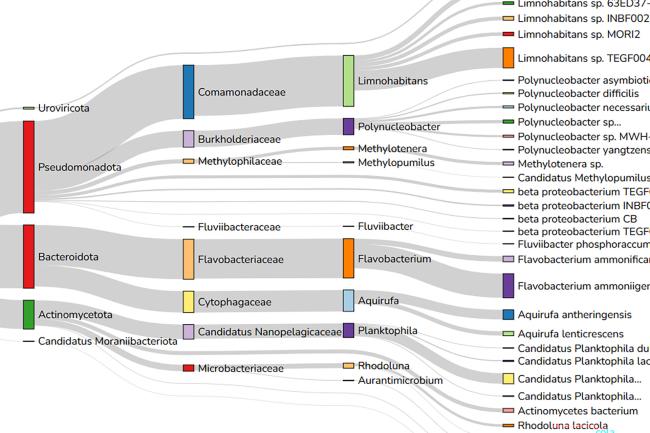
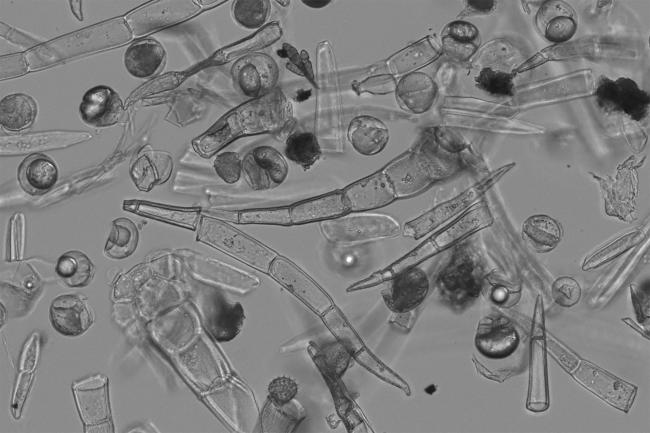
The group is focused on developing new methods and tools for metagenomics, particularly in the areas of real-time and in-field monitoring and surveillance.

Much of our current projects are focussed on nanopore sequencing, but we are also interested in new applications of short read technologies and other long-read technologies.

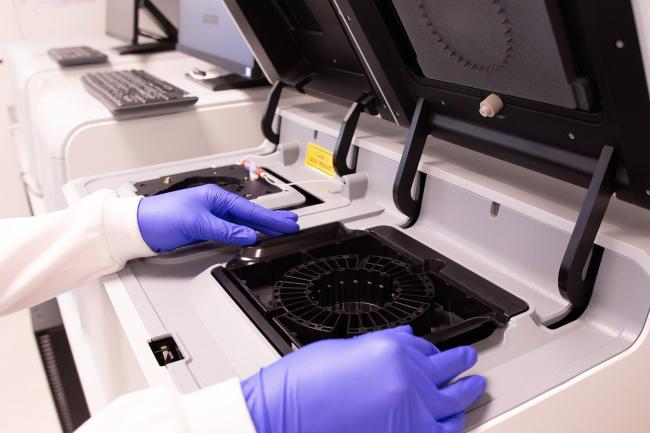
Our work often involves software engineering, data science, algorithm development and data analysis, but members of the group are also active in the wet lab, developing DNA extraction protocols and carrying out sequencing.

Some of our current projects include:

  • Developing protocols, tools, and automation for In-field and real-time sequencing.
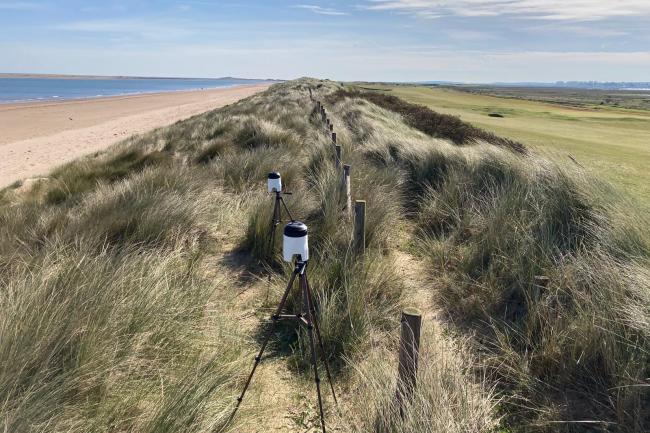
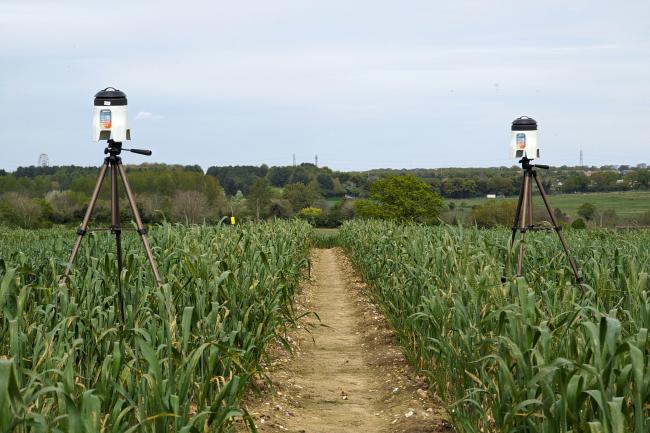
  • Detection of crop, animal and human pathogens from the air using AirSeq.
  • Developing real-time metagenomic analysis software, such as MARTi
  • Development of bioinformatics tools for assembly such as the visualisation tool ALVIS or the metagenomic assembler MetaCortex.
  • Clinical microbiome diagnostics: monitoring pathogens and AMR resistance in human microbiomes.
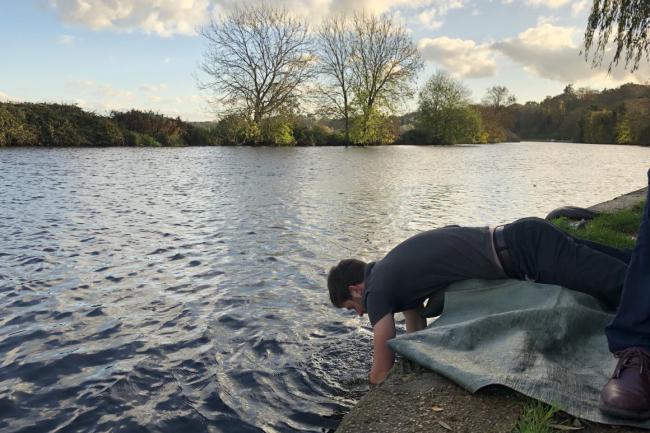
  • In-field environmental sequencing.
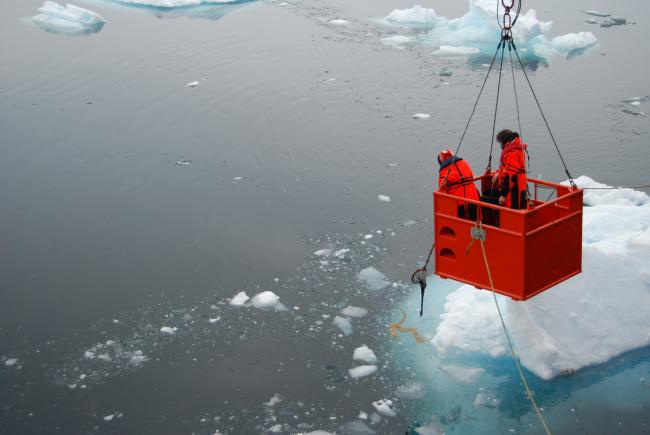
  • Ocean metagenomics.
  • Viral metagenomics.
  • Real-time, low-power, efficient analysis.
Event Scientific training

Wheat as a model organism

This workshop is targeted at early career researchers that want to learn about the latest cutting edge resources available in polyploid wheat.

Start date: 06 December 2016
End date: 06 December 2016
Time: 09h30 - 17h00
Venue: Earlham Institute
Organiser: Emily Angiolini
Registration deadline: 03 December 2016
Cost: £30

About the event

This workshop is targeted at early career researchers that want to learn about the latest cutting edge resources available in polyploid wheat.

Food security is recognised as a major global challenge, how to feed the world’s growing population against the backdrop of climate change. With the advent of the era of genomics-based technologies now is the time to translate fundamental plant biology research into crops. This workshop introduces the latest resources and the practical steps you can take to use them in your research.

Trainers

Dr Matthew Clark (EI), Dr Cristobal Uauy (JIC), Dr Ksenia Krasileva (EI), Prof Anthony Hall (EI), Dr Andy Phillips (RRes), Dr Dan Bolser(EBI) and Dr Guy Naamati (EBI).

Register today.

Registration deadline: 03 December 2016

Participation: First come, first served

Event Science

Genome 10K and Genome Science 2017

We are delighted to host both the Genome 10K 2017 conference and the Genome Science 2017 conference in parallel here in Norwich.

Start date: 29 August 2017
End date: 01 September 2017

Time: 09h00 - 15h00
Venue: Earlham Institute, John Innes Conference Centre
Organiser: Emily Angiolini
Registration deadline: 31 July 2017
Cost: TBC

About the event

For the first time, Norwich, UK will host two distinguished conferences - Genome 10K 2017; the biannual conference exploring critical topics essential for understanding how complex animal life evolved through changes in DNA and how we can use this to help save dying species; and Genome Science 2017 - an annual meeting exploring advances in genomics technology and computational methodologies as well as innovation in its application.

The growing Genome 10K Community of Scientists (G10KCOS), made up of leading scientists representing major zoos, museums, research centers, and universities around the world, is dedicated to coordinating efforts in a major tissue specimen collection that will lay the groundwork for a large-scale sequencing and analysis project.

The mission of the Genome 10K COS is to assemble a genomic zoo of some 10,000 vertebrate species to help to understand how complex animal life evolved through changes in DNA and use this knowledge to become better stewards of the planet.

The Genome 10K Project was founded by David Haussler, Oliver Ryder, and Stephen O'Brien, who launched the project in April 2009 at a three-day meeting at the University of California, Santa Cruz.

The Genome Science meeting started out life in 2011 as the UK Next Generation Sequencing meeting, hosted by the DeepSeq facility at the University of Nottingham. Since then it has evolved and grown to be a successful event attracting in the region of 250 delegates each year. This meeting represents a fantastic opportunity for both academia and industry to engage, sharing advances, innovations and challenges in working with -omics data.

In addition to a programme packed full of interesting sessions, we have some fantastic invited speakers who will epitomise the prestige and strength of these conferences. There will also be plenty of networking opportunities, such as the social mixer and conference dinner, as well as the poster sessions. We believe training is crucial to the success of all research projects, including the G10K project and its long-term attainment of objectives. Alongside training for early career researchers we will also include parallel Special Interest Group sessions, which will monitor progress in the sector and set new milestones of the G10K project.

Register today.

Registration deadline: 31 July 2017

Participation: First come, first served

Event Scientific training

Population Variation Genetics

This course will discuss the RAD molecular protocol and the computational analysis of RAD data using Stacks.

Start date: 22 May 2017
End date: 26 May 2017
Time: 12h00 - 15h30
Venue: Earlham Institute
Organiser: Emily Angiolini
Registration deadline: 16 April 2017
Cost: £600.00

About the event

To familiarise students with the molecular and analytical aspects of the genetic screening method Genotype-By-Sequencing (GBS).  

GBS involves the use of short-read sequence data produced from Reduced Representation Libraries (RRL), such as Restricted Site Associated DNA (RAD-tags). GBS libraries can provide a dense set of single nucleotide polymorphisms.

SNP markers are spread evenly across a genome. These markers are useful for a variety of genetic and genomic analyses in both model and non-model organisms. Students will gain experience with the computational pipeline 'Stacks' which was designed for the analysis of such data.

The course will focus on the necessary UNIX skills to handle GBS data, as well as how to clean and demultiplex Illumina sequences. Students will then analyse RAD-seq data de novo to perform a population analysis without the aid of a reference genome using Stacks and structure, and from an organism with a reference genome to generate Fst measures and identify signatures of selection.

Course Prerequisites

Those accepted will be in the planning stages, or producing a Genotype-By-Sequencing project.

Target audience

Graduate students, post-docs and PI's.

Register today.

Registration deadline: 16 April 2017

Participation: Open application with selection process

Event

EI at Norwich Science Festival

Get hands on with genetics and all things biology.

Start date: 24 October 2016
End date: 29 October 2016
Time: 11h00 - 17h00
Venue: The Forum, Norwich
Registration deadline: 29 October 2016
Cost: Varies across events

About the event

Biology Day

Monday 24 October 2016

Earlham Institute will be taking part in Norwich Science Festival’s Biology Day. Come and investigate genetic structure and base pairs with our scientists by taking part in our Message in a Bracelet Activity. Can you guess what the message is?

Solving Problems with Science - presented by Norwich Research Park

Saturday 29 October 2016

Earlham Institute will be taking part in Norwich Science Festival’s Solving Problems with Science Day. Come and have a go at conducting your own fruit DNA Extraction and chat to our scientists about the type of work they do at the institute.

Register today.

Registration deadline: 29 October 2016

Participation: Open to all

Event Industry

Tackling the Agri Challenge with Genomics

Tackling agriculture challenges with next-generation sequencing and high-performance computing technologies.

Start date: 08 November 2016
End date: 08 November 2016
Time: 18h00 - 21h30
Venue: Earlham Institute, Norwich, UK
Registration deadline: 08 November 2016
Cost: Free

About the event

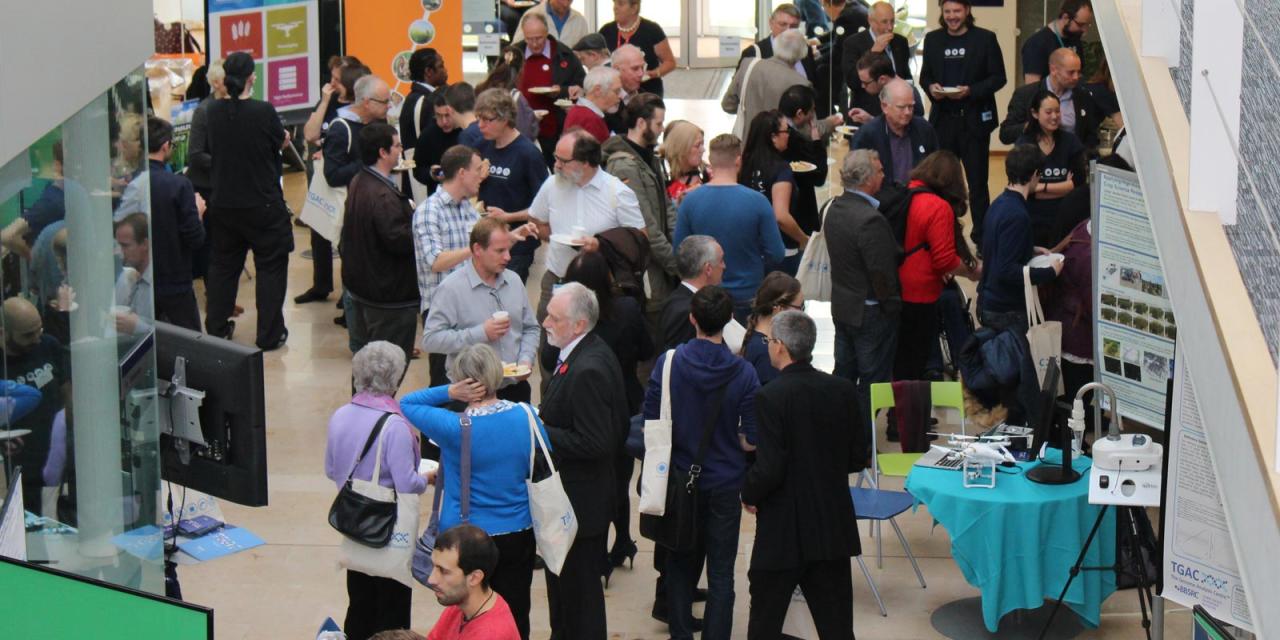
On Tuesday 8th November, the Earlham Institute (formerly the Genome Analysis Centre) will offer a seminar in the Genome Building on Norwich Research Park.

Panel Discussion

6:30 - 7:40 pm

Tackling agriculture challenges with Next Generation Sequencing and High Performance Computing Technologies

Headed by experts at the Earlham Institute, a panel discussion will introduce key research themes and illustrate how next generation sequencing technologies and high performance computing is applied to answer biological questions.

This session will aim to highlight the challenges faced by breeders, farmers and wider industry and how Earlham Institute’s open-source tools, databases and innovative in-field technologies are being developed to support them. Open discussion is encouraged through questions from the audience relating to the panel discussion and any issues that it raises.

Speakers:

Wilfried Haerty Group Leader

Kirsten McLay Platforms & Pipelines Operational Manager                          

Timothy Stitt Head of Scientific Computing

Ji Zhou Phenomics Project Leader

Interactive Workshop - Three Horizons

8:30 - 9:30 pm

Led by experts at the Earlham Institute, these workshops will promote the sharing of key challenges and potential solutions including: new technology and accessibility, data storage and analysis, fast response to pests and disease, health of farm animals and the application of next-generation sequencing to crop breeding. Through discussion of current problems and existing innovations, the groups will identify future goals and construct a ‘route map’ of how we can get there.

Register today.

Registration deadline: 08 November 2016

Participation: First come, first served

Research

Anthony Hall

Head of Plant Genomics
Image

Biography

Contact details:

  • +44 1603 450 989

anthony.hall@earlham.ac.uk

@ajwhall

ORCiD

Anthony is the head of Plant Genomics. He moved from the University of Liverpool where he held the Holbrook Gaskell Chair of Botany at the University of Liverpool. He was research lead for the Institute of Integrative Biology. Was director at the Centre for Genomic Research (CGR) and academic lead of the Liverpool GeneMill (£3.8M investment). 

His plant genomics group started in 2009, and has focused on using and developing next generation genetic approaches to address key questions in plant science. In 2010 he was awarded a senior BBSRC research fellowship entitled “Developing Next Generation Genetic Tools for Wheat”.  To date he has played a leading role in generating the first draft wheat genome (Brenchley et al, Nature 2012) and epigenome (Gardiner et al. Genome Biology 2015). He led an international consortium to develop a wheat exome capture and re-sequencing platform in collaboration with NimbleGen (Winfield et al. 2012, Allen et al. 2011, Jordan et al. 2015). His group have developed novel strategies for the identification of EMS induced point mutations in Arabidopsis using high throughput sequencing (Ashelford et al. 2011) and extended these to wheat (Gardiner et al. 2014, Gardiner et al. 2016). He currently leads three international wheat genomics and epigenetic program grants in collaboration with India, Mexico, Australia, USA and Germany.

He received his PhD from the University of Leicester in 1997 from the Botany Department and has worked as an Arabidopsis molecular geneticist for 18 years, focusing on the field of plant circadian biology. He had a postdoc with Professor Andrew Millar at the University of Warwick for six years before joining the University of Liverpool as a PI in 2003. He was instrumental in the development of genetic and imaging/assaying technologies that his group now uses to dissect the circadian clock mechanism in Arabidopsis. His group's work has provided key insights into the molecular basis for temperature compensation of the Arabidopsis circadian oscillator (Gould et al. Plant Cell 2006), this has been expanded to include a first temperature compensated mathematical model of the clock, identifying an interaction between light and temperature in the control of period (Gould et al. 2012). He has also published work on the validation of a predicted three-loop feedback oscillator model in Arabidopsis (Locke et al. 2006). In collaboration with Dr Steve Penfield he published work demonstrating a role for clock genes in breaking seed dormancy (Penfield and Hall 2009) and with Maria Erikson the identification and characterisation of a new clock component using next generation sequencing to identify the mutation (Ashelford et al. 2011). He is currently lead of a BBSRC project in a collaboration with James Locke at the Sainsbury Laboratory Cambridge using an experiment and mathematical modelling approach to investigate the clock at the single cell level in a multicellular context.

AH was instrumental in setting up the GeneMill, the University of Liverpool DNA foundry and delivering pilot projects through the facility for a number of multinational and SME companies. He was lead PI on the Liverpool GeneMill (BB/M00094X/1); Co-I on a joint Edinburgh/Liverpool project “Phenotyping Platforms for Synthetic Biology” and Co-I on Next Generation DNA Synthesis (BB/M025624/1). He now plays a leadership role in the Plant and Microbial foundry.

Research

Grassroots Genomics

A user-driven platform for integrating and sharing plant genomic information.

Project Summary.

Grassroots Genomics is a gateway for the plant genomics community to access and record a wide range of data types. It connects data generators and data users to provide an information-rich sharing and analysis platform.

The platform improves the interconnectedness of the research community by consolidating and connecting to a number of bioinformatics tools and infrastructure, making previously unavailable, manually-recorded data more accessible. This makes it a fundamental tool for delivering FAIR data (Findable, Accessible, Interoperable, and Reusable) in the crop genomics community.

Experiment Data

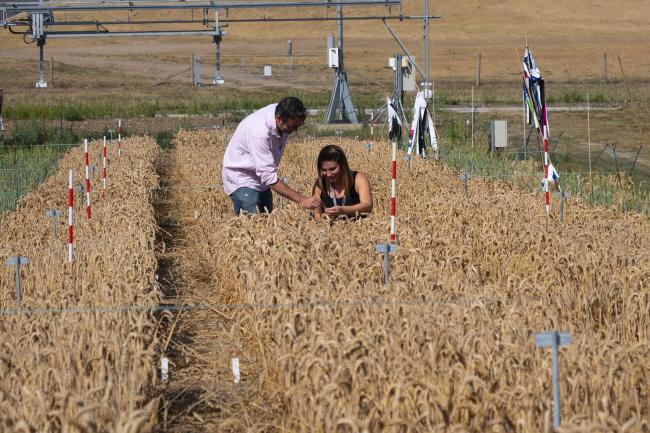
Through the mobile app, researchers working in field or glasshouse trials are able to record and upload experiment and phenotype data - including images - directly to the system, speeding up and reducing errors in the data entry process.

Services available to users include:

  • Browse existing field trial data
  • Search nucleotide databases with nucleotide (BlastX) or protein (BlastP) queries
  • Retrieve parental data for given markers and populations
  • Explore Yellow Rust Field Pathogenomics
  • Search for metagenomic samples using nanopore sequencing as part of MARTi, a software package designed for performing real-time analysis 

Working with the John Innes Centre, a Grassroots mobile app has been developed allowing the submission of images and data whilst in the field. Similarly, our work with Rothamsted Research has led to support for drone image data.

Using Grassroots

Grassroots is available via any web browser - grassroots.tools - and Android App (search for Grassroots Mobile App).

The project is fully open source and the source code is available on GitHub.

If you use any of the services that Grassroots provides in your own research, please ensure you include the following citation:

Bian. X, Tyrrell. S, Olvera. D, Davey R.P. The Grassroots life science data infrastructure (2017). https://grassroots.tools


Impact statement.

Our goal is to unite the community of wheat researchers, from breeders to bioinformaticians, in generating, evaluating, and integrating wheat data.

We are committed to maintaining and promoting the principles of Open Science to enable discoveries and enhance the value of integrative research. Working with the wheat community and technologists, we will deliver a coordinated and federated infrastructure for sustainable data and metadata management.

Event Scientific training

Bioinformatics for Breeding

The increasing number of genomic tools and resources which facilitate large-scale analysis of genotypes and traits are leading to novel, quicker approaches to breeding.

Start date: 21 February 2017
End date: 24 February 2017
Time: 08h30 - 17h00
Venue: Earlham Institute
Organiser: Jose De Vega
Enquiries:

training@earlham.ac.uk

Registration deadline: 08 January 2017
Cost: £300

About the event

What is the workshop about?

The increasing number of genomic tools and resources which facilitate large-scale analysis of genotypes and traits are leading to novel, quicker approaches to breeding. This course will introduce participants to the sequencing-based methods and bioinformatics tools available to apply genomic approaches to breeding.

The practical course will feature a collection of methods and bioinformatics tools fundamental for modern breeding, especially for crops. Next generation sequencing (NGS) has made large collections of open-source diversity genomic data possible, such as SNPs, that can be used as molecular markers for breeding. Combined with phenotypes, genome-wide association studies provide breeders with an understanding of the molecular basis of complex traits.

What will it cover?

  • SNP calling/discovery and SNPs effects and context
  • NGS techniques for genotyping
  • Genetic markers, linkage analysis, and genetic maps
  • High-throughput phenotyping and image analysis
  • Association mapping (GWAS)
  • Genome-wide predictions, modelling and simulations
  • Genomic selection

Target Audience

The course is aimed at researchers or pre-breeders working in plant (or animal) improvement and interested in applying NGS approaches in the early future, as well as to plant bioinformaticians with basic knowledge about crop breeding.

Pre requisties

Some experience in bioinformatics would be an advantage but not mandatory, some knowledge of R/Rstudio and Linux & Command-line will be needed - basic training will provided at the beginning of the course.

Register today.

Registration deadline: 08 January 2017

Participation: Open application with selection process